Ignite Your Senses at the Penn Museum’s Groundbreaking New Native North America Gallery
At Penn Museum, the new Native North America gallery feels different the moment you step inside. Most museum visits follow a familiar pattern. You move from case to case, read a label, and keep going. Here, that rhythm stops right at the entrance. There’s a deliberate pause before anything is shown, which shifts your attention and sets the tone for what follows.
The gallery is built to hold your focus a little longer. Instead of presenting information in a distant, academic way, it feels more direct and grounded. You’re not just moving through displays. You’re asked to slow down and actually take in what’s in front of you.
A Different Kind of Collaboration
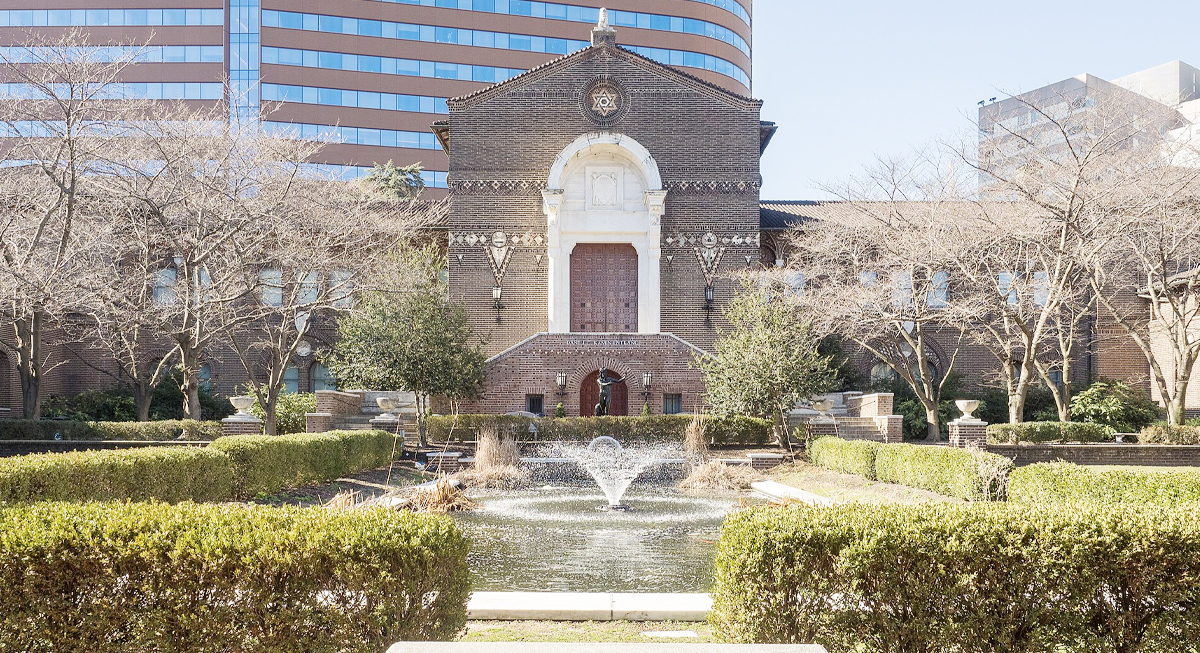
Image via Wikimedia Commons/ajay_suresh
At Penn Museum, this gallery reflects those who helped shape it. The museum did not rely only on its internal team. Eight Indigenous consulting curators worked alongside staff for more than two years and played a direct role in deciding how the stories are told.
That difference shows up in the displays. The explanations do not read like an outsider trying to interpret what they see. The perspectives come from Indigenous contributors themselves, which makes the context clearer and more grounded in real experience.
Stories That Stay in the Present
Image via Getty Images/nicoolay
The gallery covers about 2,000 square feet and holds over 250 items. The collection is a mix of ancient archaeological finds and modern works, representing nations like the Lenape, Cherokee, Muscogee, Pueblo, Tlingit, and Alutiiq. It’s a broad scope, covering the Northeast, Southeast, Southwest, and Northwest regions.
Another striking part of the layout is the refusal to keep things in the past. Every object, no matter how old, is tied to a modern context. Whether it’s a piece of pottery or a contemporary painting, the gallery emphasizes that these traditions, languages, and identities are still very much in motion.
More Than a Visual Experience
To keep the experience from feeling static, the gallery uses a variety of ways to tell its story. You’ll find interactive stations, like a place where you can try your hand at weaving, alongside video and audio recordings of first-person accounts.
Native languages are also given equal weight, appearing alongside English translations. This helps reinforce the idea of cultural survival and continuity. The mix of physical items and digital media keeps you engaged, ensuring the information feels accessible and personal rather than overwhelming.
The Moment That Changes Everything
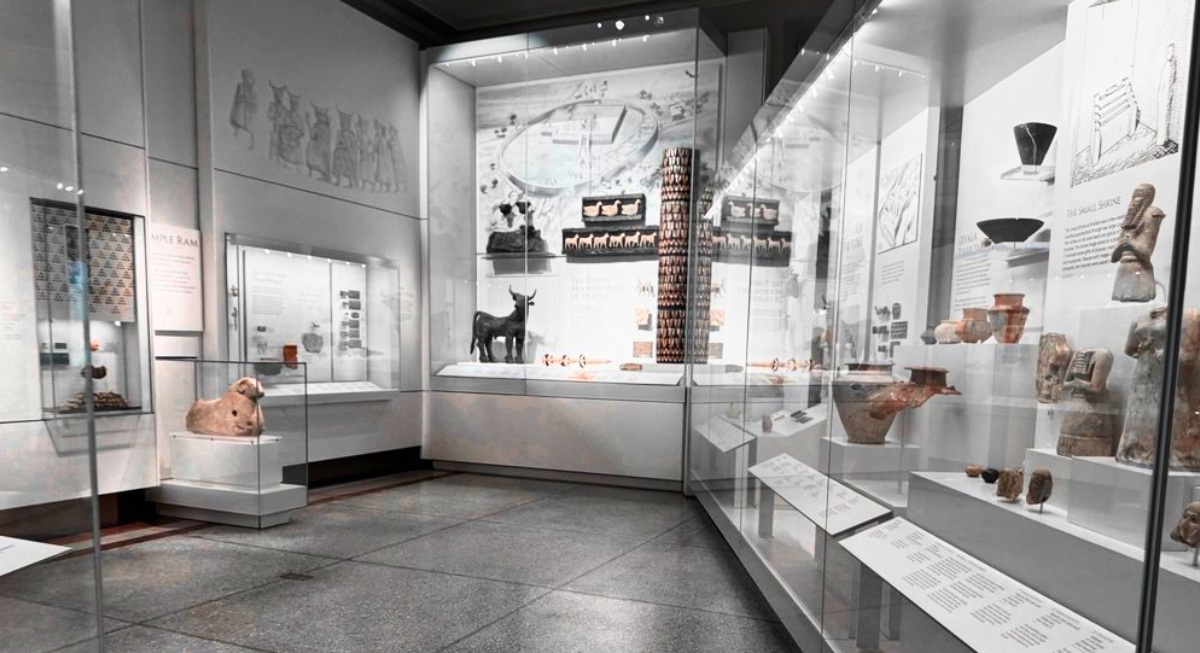
Image via Yelp/Ruwan J.
The empty display case at the entrance is perhaps the most significant part of the gallery. It’s a deliberate choice designed to make you think about repatriation; the process of returning cultural items to their rightful Indigenous communities.
Before you see the beauty of the artifacts, you’re asked to consider the ethics of how they got there and who truly owns them.
Slowing Down in the Best Way
As you spend more time in the gallery, you’ll notice the crowd moves differently here. People linger. They listen to the audio clips and stay a little longer at each display.
The layout naturally guides you through these stories without feeling like a forced march. By the time you reach the end, you don’t feel like you’ve just finished a tour; you feel like you’ve been part of a conversation that stays with you long after you leave the building.