Your Portable Charger Could Actually Get You Banned From This Flight
A portable charger has become part of the modern travel accessories because airline apps, digital boarding passes, streaming downloads, and ride-share pickups all depend on a working phone. Airport gates are full of travelers guarding the few open outlets, so slipping a power bank into a carry-on feels like common sense.
For most of us power bank is a harmless accessory, but in some parts of the world, using it mid-air could now land you in serious trouble. Japan is set to ban the use of portable chargers on domestic flights starting in April 2026, and the crackdown does not stop there.
Japan’s transport ministry has notified airlines that charging power banks using seat power outlets will also be prohibited. Storing them in overhead bins is also off the table. Travelers will still be allowed to bring portable chargers onboard, but only in carry-on baggage, and each passenger will be limited to two devices that do not exceed 160 watt-hours.
Why Airlines Are Cracking Down
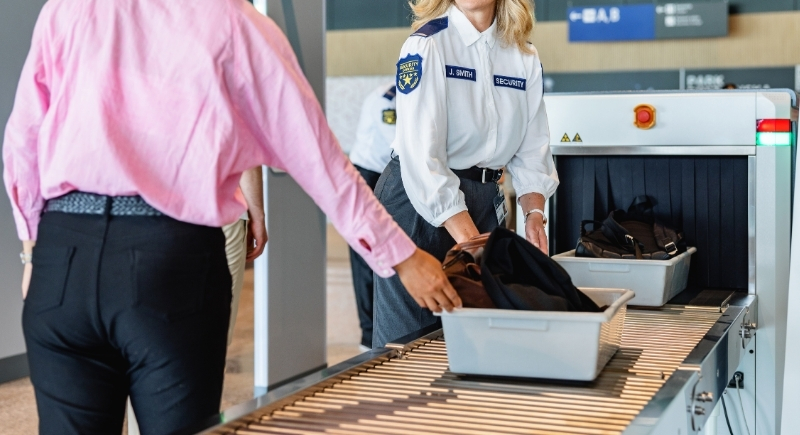
Image via Getty Images/AzmanJaka
The move comes after a string of in-flight incidents involving lithium-ion batteries overheating, smoking, or catching fire. In the United States alone, there were 95 verified lithium battery incidents mid-air in 2025, according to the Federal Aviation Administration. The year before saw 89 incidents, and more than 500 have been recorded over the past two decades.
Japan’s National Institute of Technology reported that accidents related to mobile batteries increased by 160% between 2020 and 2024. That spike has put regulators on alert.
One of the most high-profile incidents occurred in January 2025, when an Air Busan aircraft caught fire while waiting for takeoff. South Korea’s transport ministry later said investigators found multiple electrical melting marks from a lithium battery power bank. The aircraft was badly damaged.
More recently, an Alaska Airlines flight made an emergency landing in February 2026 after a passenger’s phone and battery pack caught fire inside the cabin. The device was placed in a containment bag before landing, and the passenger received medical attention at the gate.
It’s Not Just Japan
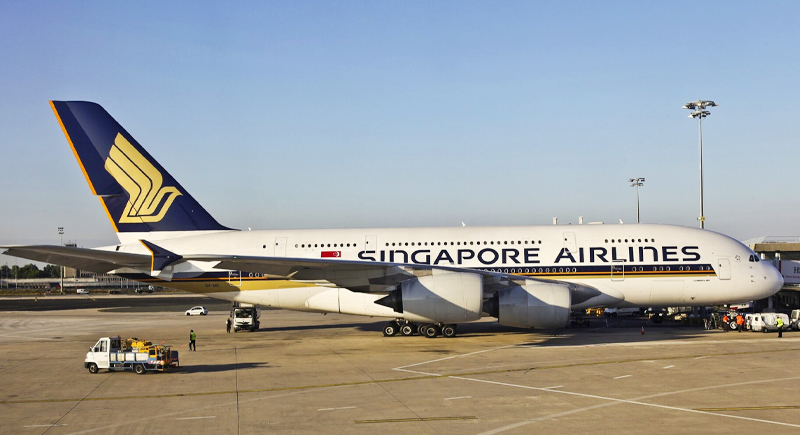
Image via Wikimedia Commons/besopha
Japan is not acting alone. South Korea has already implemented nationwide restrictions that ban storing power banks in overhead bins and prohibit charging them using seat USB outlets. Thai Airways has banned the in-flight use and charging of power banks, effective March 15.
Singapore Airlines will ban the use of power banks and prohibit charging them on the plane beginning in April. The same rule applies to its low-cost subsidiary Scoot. Hong Kong’s aviation regulator will prohibit passengers from using power banks during flights and from storing lithium batteries in overhead compartments starting April 7.
AirAsia now requires passengers to store power banks under the seat or in the seat pocket and prohibits charging portable devices during the flight. Taiwan’s EVA Air, China Airlines, and Uni Air have also banned in-flight use.
In Australia, Virgin Australia introduced a ban on onboard use after a power bank caught fire in an overhead locker. Qantas, QantasLink, and Jetstar followed in December. Lufthansa implemented similar restrictions effective January 15, 2026.
What the Rules Actually Allow
Most airlines still allow passengers to carry portable chargers in their cabin bags, but there are limits. In general, passengers can bring up to 2 lithium-ion power banks with capacities between 100 and 160 watt-hours. Devices with a capacity of less than 100 watt-hours are typically permitted without special approval.
Many power banks list capacity in milliampere-hours instead of watt-hours. A typical 160Wh limit translates to roughly 43,000 mAh for a 3.7-volt battery. Power banks are prohibited in checked baggage under FAA and TSA regulations. They must be kept in carry-on luggage so the crew can respond quickly if a device overheats.
The Real Risk Behind the Ban
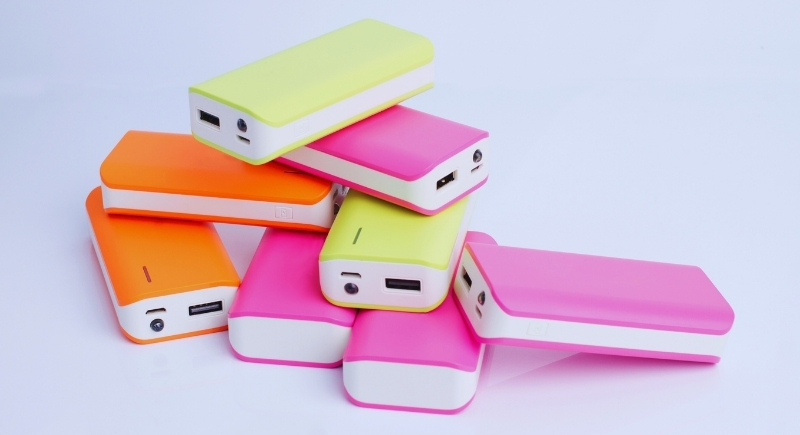
Image via Getty Images/john_99
Lithium-ion batteries are widely used because they store a large amount of energy in a compact space. That same energy density can become dangerous under certain conditions.
A process known as thermal runaway can cause batteries to overheat rapidly, leading to fire or explosion. This can happen if a battery is damaged, overcharged, exposed to water, improperly packed, or affected by a manufacturing defect. High-altitude and low-pressure cabin conditions can intensify overheating risks.
Because of that, some regulators now require battery terminals to be insulated or stored in protective pouches to prevent contact with metal objects.
What This Means for Travelers
If you are flying within Japan from April 2026 and try to use your portable charger mid-flight, you could be violating airline policy. Refusing to comply with safety rules can result in denied boarding, removal from the aircraft, or future travel restrictions, depending on the airline.
The portable charger that once felt like a travel essential is now under global scrutiny. As more airlines tighten their policies, keeping your devices powered in the air may not be as simple.