Your Golden Ticket to Britain is Going Digital, and What US Travelers Need to Know Before They Fly
A growing number of American travelers are finding out about Britain’s new travel rules at the worst possible moment: right before boarding. Airlines can now reject passengers before takeoff if their paperwork doesn’t match the UK’s digital system.
In some cases, the issue isn’t even a missing document. A passport renewal or outdated account detail can trigger a “no-board” message before a traveler gets anywhere near Heathrow.
The system has been rolling out in stages since 2023, but by 2026, the changes became far harder to ignore. Britain now relies heavily on its Electronic Travel Authorization system, or ETA, while older physical immigration documents are steadily being replaced with digital records linked directly to traveler information.
The UK’s New ETA Rule Is Officially Here
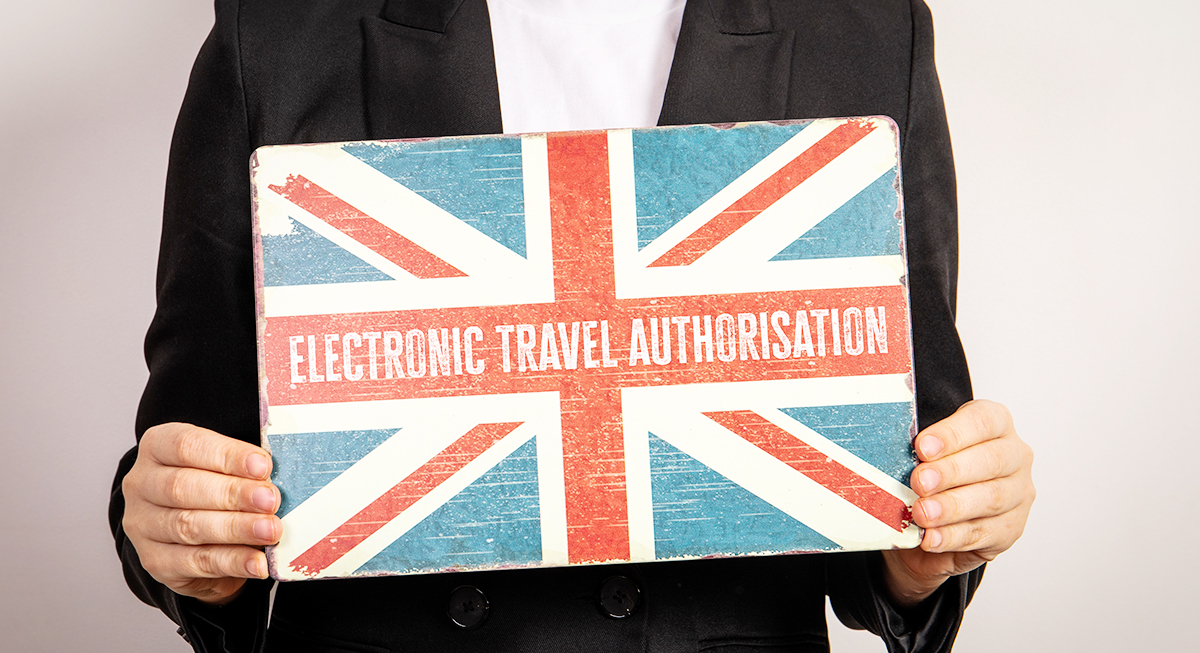
Image via iStockphoto/tumsasedgars
Americans now need an ETA before flying to the United Kingdom, even for short tourist trips. The permit applies to England, Scotland, Wales, Northern Ireland, and, starting April 23, also covers Jersey, Guernsey, and the Isle of Man.
The application itself sounds simple enough: travelers upload a passport photo, submit a selfie, answer a few questions, and pay a £20 fee, which currently is around $27 or $28, depending on exchange rates. Most approvals arrive within minutes through the UK ETA app or the government website.
Every traveler needs their own ETA, including children and babies, and some transit passengers may need one if they pass through UK border control during a layover. The authorization lasts two years, or until the linked passport expires, whichever comes first.
Britain Calmly Switched to a Digital Border
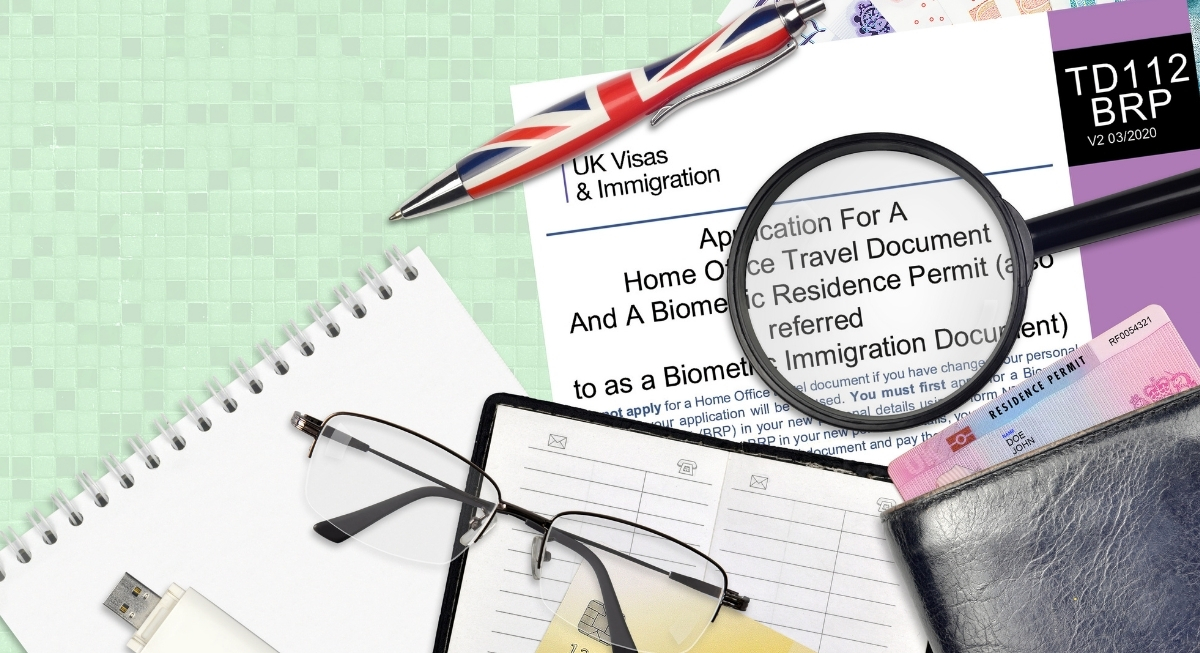
Image via Canva/Mehaniq
The UK’s immigration system is undergoing a significant change, and the ETA is only one part of that. Britain has now completed its move away from physical Biometric Residence Permits, commonly called BRPs. Those plastic residency cards that many foreign residents carried for years are being replaced by eVisas tied directly to passport records in the UK Visas and Immigration database.
At border gates, officials scan passports and pull up immigration status digitally within seconds. The British government says the system cuts fraud, reduces costs, and speeds up entry. In theory, it sounds smooth. In practice, travelers have already encountered glitches that can cause serious headaches.
Law firms and immigration experts across the UK have reported problems involving passport mismatches, delayed updates, and airline verification errors. A traveler who renews a passport but forgets to update their UKVI account could be flagged by the system even though they hold a valid status. That’s where things get tense. Travelers no longer hold the “golden ticket” in their hands. The system holds it instead.
The Timing Couldn’t Be More Stressful
The digital changes are arriving right as international travel faces another rough summer. Airlines globally cut around 13,000 flights in May after jet fuel prices surged during the Middle East conflict. Aviation analytics firm Cirium reported nearly two million seats removed worldwide.
Several major carriers have already trimmed schedules, while ticket prices on many routes continue climbing. That combination creates a frustrating new reality for travelers. A delayed flight used to be the nightmare scenario. Now there’s an extra layer of anxiety sitting before security even begins.
One missed ETA application, one outdated passport link, or one technical issue inside a government database can suddenly derail a carefully planned trip. Europe is heading in the same direction too. The European Union plans to launch its own ETIAS authorization system for Americans visiting 30 European countries in late 2026.
International travel still looks glamorous on Instagram. But behind the scenes, it’s turning into a fully digital clearance process that starts long before anyone reaches the airport.