10 Prisons You Would Never Want to End Up In
When you see prisons in movies, they seem organized. There’s a routine, a couple of fights, and usually a clear sense of control. In reality, many such institutions operate under completely different conditions. They are severely packed, violent, and barely managed. In addition to that, medical care is often lacking, and inmates may spend years in isolation or live in areas run by gangs.
Guantanamo Bay, Cuba
Credit: Youtube
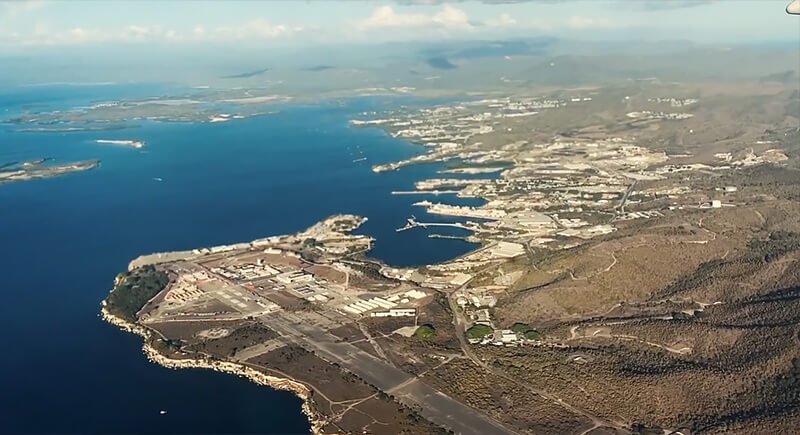
The United States opened Guantanamo Bay in 2002 as a military prison for detainees linked to terrorism. Over the years, it became known for holding people without trial and using mistreatment techniques now widely condemned. Some detainees were never charged with a crime but remained locked away for years.
Tadmur Prison, Syria
Credit: Wikimedia Commons
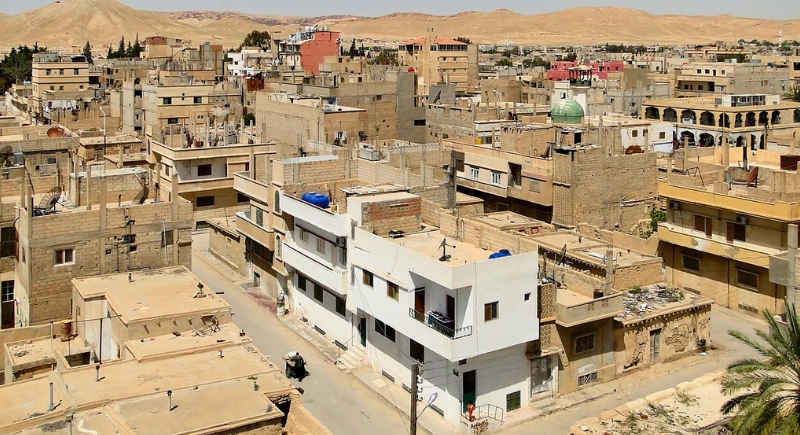
Tadmur was a symbol of state terror in Syria for decades. Located in the desert near Palmyra, it housed thousands of political detainees under the Assad regime. In 1980, government forces carried out a mass court-approved penalty after an assassination attempt on the president. Survivors spoke of inhumane practices, surveillance, and punishment for small movements or glances.
Sabaneta Prison, Venezuela
Credit: Youtube
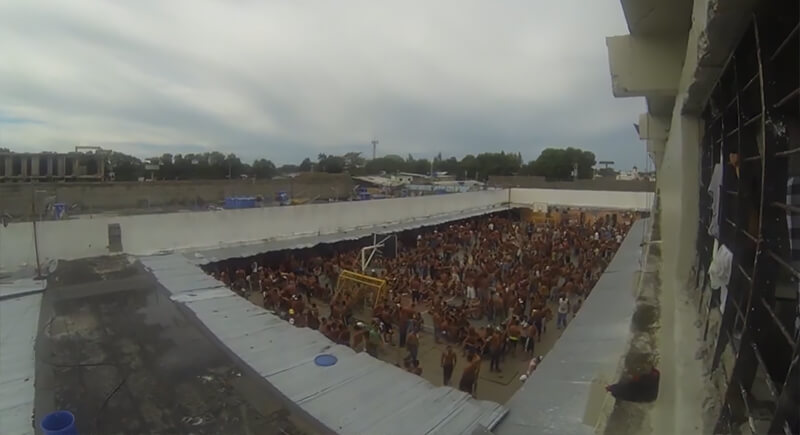
This Venezuelan facility was built to hold only 700 people, but was packed with over 3,000 prisoners. Control inside the Sabaneta Prison deteriorated as organized inmate groups filled the power vacuum and enforced rules through weapons and fear while guards stayed on the sidelines. At one point, a blaze caused by inmates took the lives of more than 150 prisoners during a riot.
Bang Kwang Central Prison, Thailand
Credit: Wikipedia
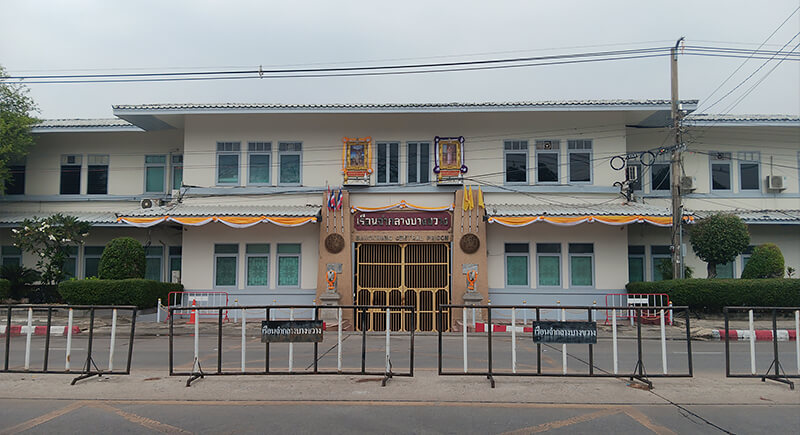
Located just north of Bangkok, Bang Kwang houses some of the country’s most dangerous offenders. Known as the “Bangkok Hilton,” the name hides a brutal reality. Inmates used to wear welded leg shackles, and although that ended in 2013, the facility’s conditions remain harsh, and the food is frequently described as barely edible.
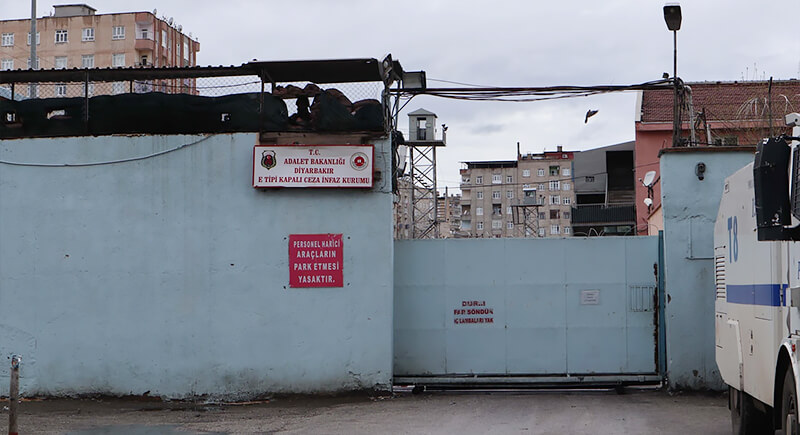
Diyarbakir Prison, Turkey
Credit: Wikipedia
During the 1980s, Diyarbakir became infamous for its cruelty. Under military rule, political prisoners were detained and roughly handled with no regard for human rights. Beatings, sleep deprivation, and humiliating punishments were routine. Prisoners were denied medical care and basic dignity. Today, the prison stands as a symbol of one of the darkest chapters in Turkey’s modern political history.
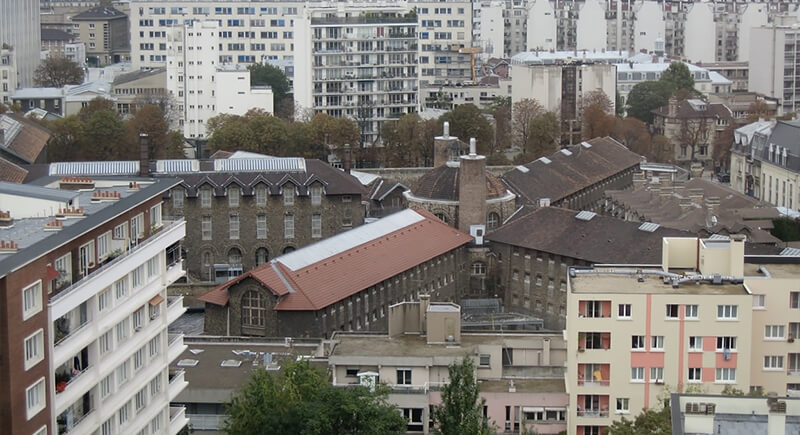
La Santé Prison, France
Credit: Wikipedia
In the middle of Paris sits a prison with a long and troubled history. La Santé has operated since 1867, but for decades, its conditions were kept under wraps. A prison doctor exposed the truth: poor ventilation, minimal showers, and high casualty rates. Inmates were allowed only two showers per week, while the cells were suffocating and outdated.
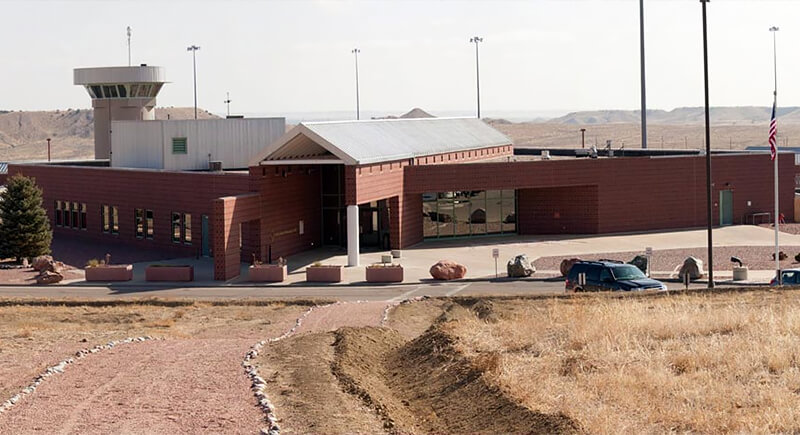
ADX Florence, United States
Credit: Wikipedia
Security comes at a high psychological cost at ADX Florence. This is because the residents spend 23 hours a day in solitary confinement with limited human contact and minimal stimulation. They eat and exercise alone, sometimes for years at a time. Consequently, mental health deteriorates quickly in these conditions.
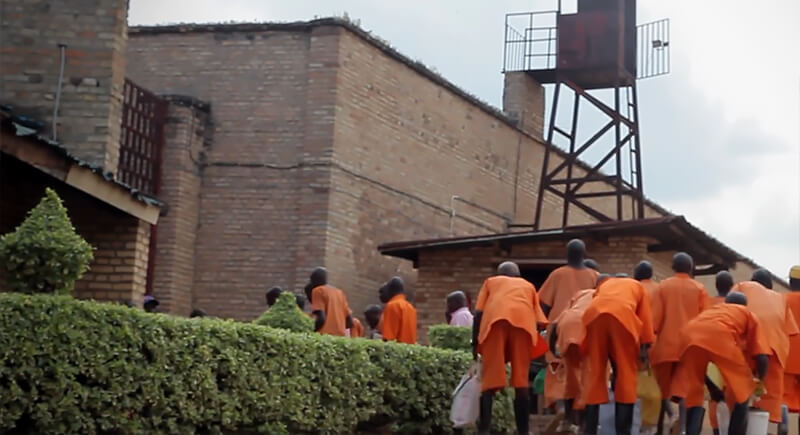
Muhanga Prison, Rwanda
Credit: Youtube
Once known as Gitarama, Muhanga Prison became one of the most overcrowded facilities ever recorded. Built for 400 inmates, it eventually held close to 7,000. Prisoners stood shoulder to shoulder on damp, unsanitary ground, usually for hours. Infections went untreated, and cases of gangrene were common. Some reports even discussed cannibalism among starving detainees.
San Quentin State Prison, United States
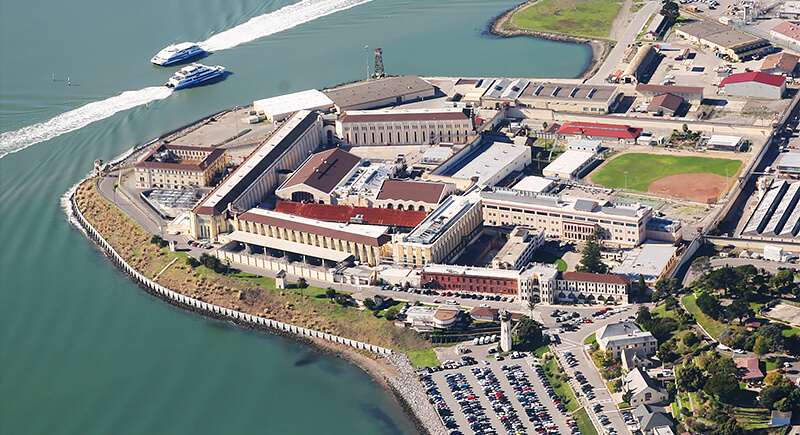
Credit: Wikipedia
Several of the country’s most notorious criminals have spent time at San Quentin, California’s oldest prison. Since the late 1800s, it has carried out more than 400 capital punishments and currently houses the largest death row population in the United States. The infrastructure is outdated, which adds strain for both staff and prisoners.
Carandiru Penitentiary, Brazil
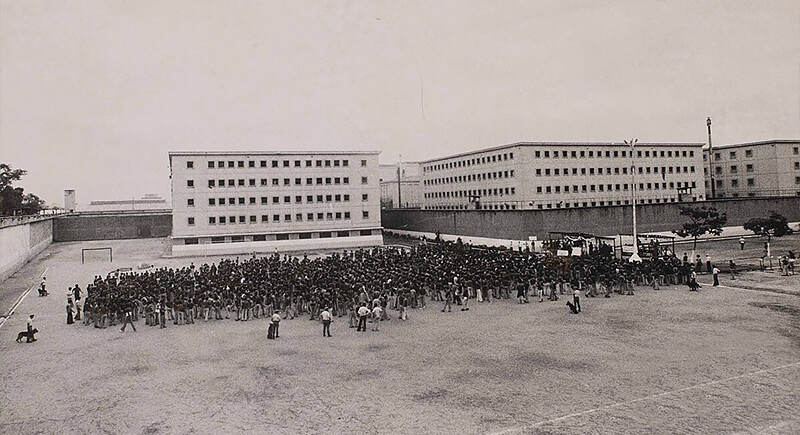
Credit: Wikipedia
In 1992, a fight in Carandiru led to a police raid that claimed the lives of 111 inmates. Investigations revealed that many were unarmed and shot at close range. At its peak, the prison confined over 8,000 inmates in dangerous and unsanitary conditions, where diseases like HIV and tuberculosis were common.