The 10 Most On-Time Airlines in the World With Only One American Entry
Flight boards tell you a lot before you ever step on a plane. If an airline runs on time, the experience usually feels smoother from the start. Cirium’s latest global rankings, released ahead of 2026, highlight the carriers that consistently stuck to their schedules while others wrestled with delays and congestion. The list leans heavily toward international entries, with strong showings from Latin America, Europe, and the Middle East. Just one U.S. airline made the cut.
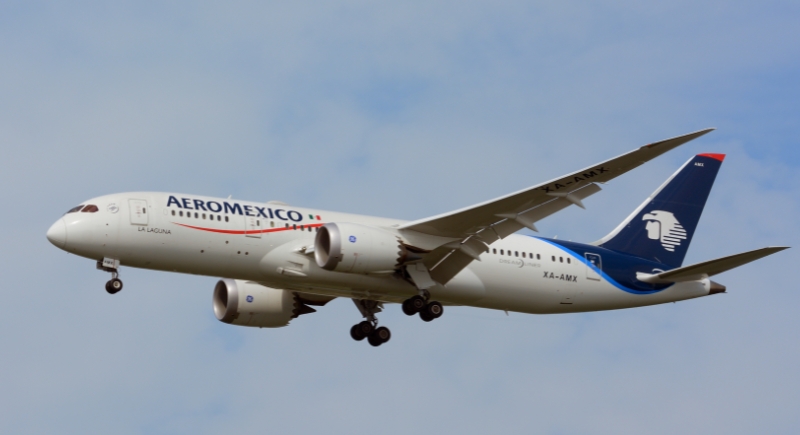
Aeromexico
Credit: Wikimedia Commons
This level of consistency does not happen by accident. Nearly 189,000 flights were tracked, and 90.02% arrived within the on-time window. That performance secured a second straight global win. The result also coincided with a $2.8 billion stock market debut, showing operational discipline remained intact during a high-growth moment.
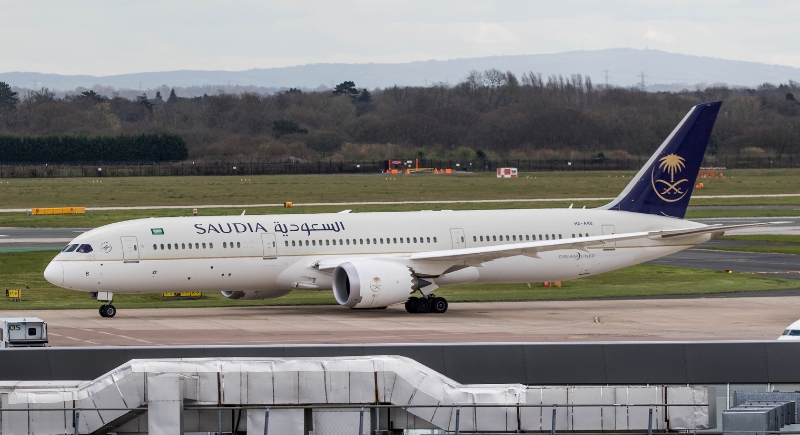
Saudia
Credit: Wikimedia Commons
Saudia benefited from less airspace congestion than North America, but planning did the real work. The airline ended the year with 86.53% of flights arriving on time, a result that pushed it into second place worldwide and kept Saudi Arabia firmly on the punctuality map.
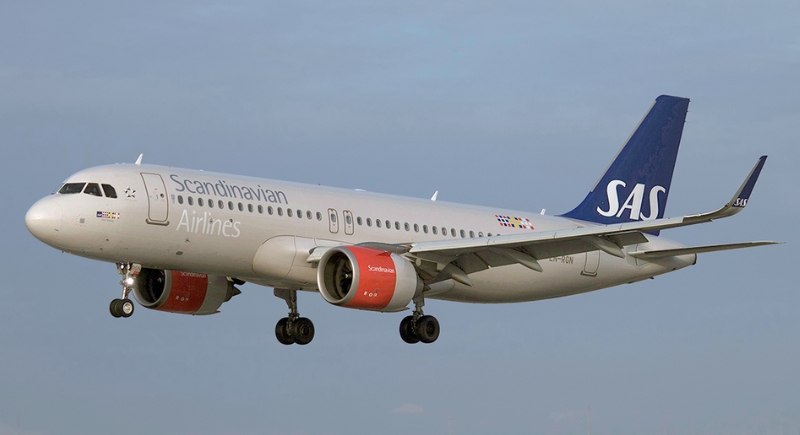
SAS
Credit: Wikimedia Commons
Winter weather and cross-border flying usually complicate reliability. SAS still managed to keep things orderly across Northern Europe. Improved turnaround times and steadier short-haul performance helped the airline close the year at 86.09% on-time arrivals.
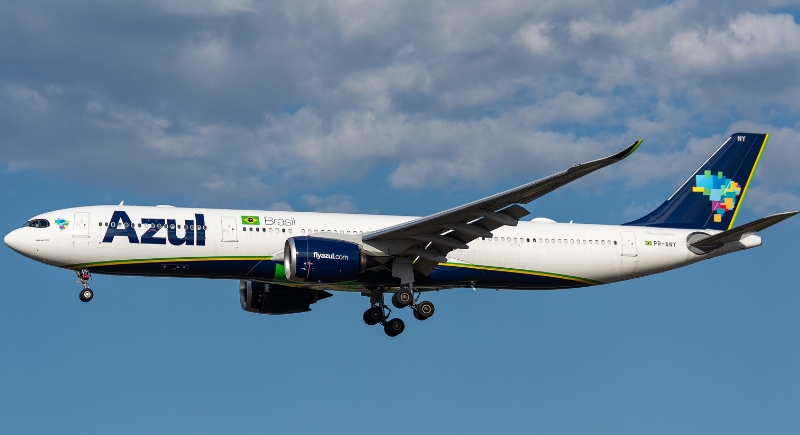
Azul
Credit: Wikimedia Commons
Brazil’s aviation system leaves little room for sloppy scheduling. Azul leaned into regional hubs and avoided overextending its network. The payoff showed up in the data, with an 85.18% on-time arrival rate that placed the airline ahead of several larger international competitors battling congestion elsewhere.
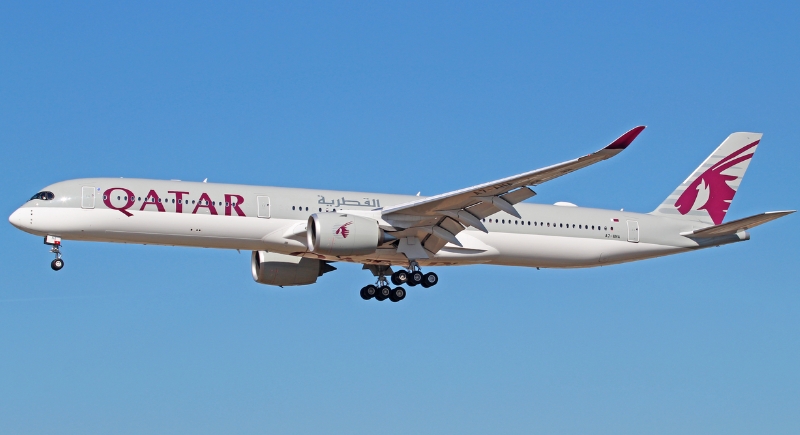
Qatar Airways
Credit: Wikimedia Commons
Long-haul schedules leave little room for error. Qatar Airways kept connections moving through Doha while operating across six continents. Cirium accounted for that scale when awarding its Platinum recognition. By year’s end, 84.42% of flights arrived on schedule across more than 198,000 departures.
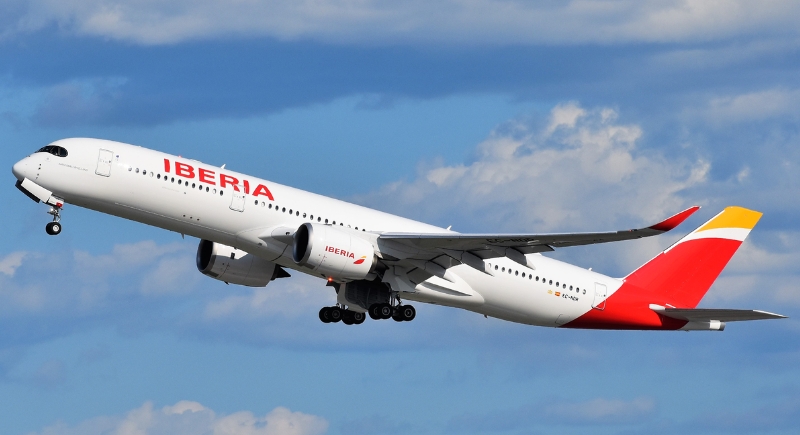
Iberia
Credit: Wikimedia Commons
Madrid’s main hub became more predictable, and the airline benefited quickly. Iberia climbed the rankings during a summer when European staffing issues hit hard. The airline finished sixth globally, supported by an 83.52% on-time arrival rate, a noticeable improvement during a year when consistency was hard to maintain.
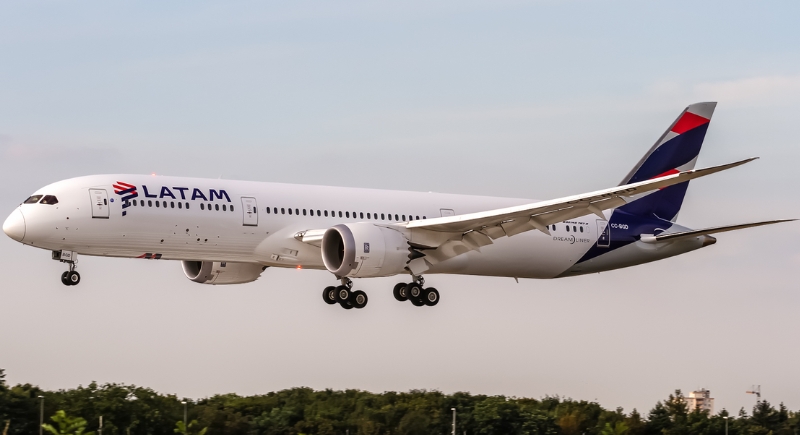
LATAM Airlines
Credit: Wikimedia Commons
Multiple countries mean multiple chances for disruption. LATAM minimized that risk through coordinated regional planning. Flights stayed surprisingly steady across South America, and the airline closed the year with an 82.40% on-time arrival rate.
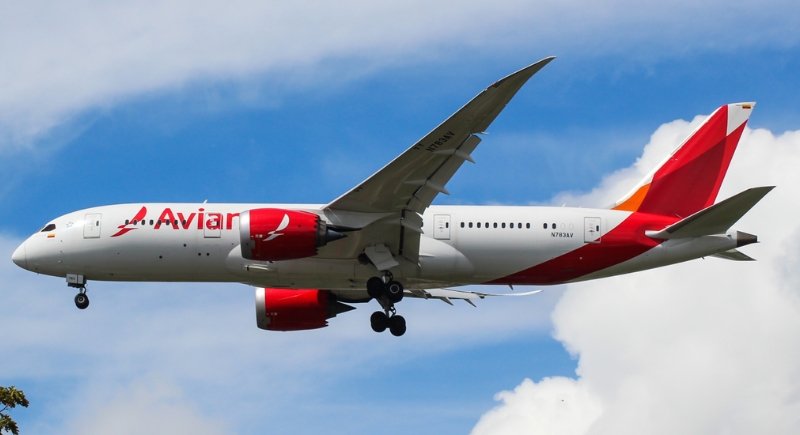
Avianca
Credit: Wikimedia Commons
Incremental gains mattered here. Avianca tightened schedules at its busiest hubs rather than chasing aggressive growth. The strategy reduced missed connections and stabilized operations. By year’s end, the airline ranked eighth globally, with 81.73% of flights arriving on time.
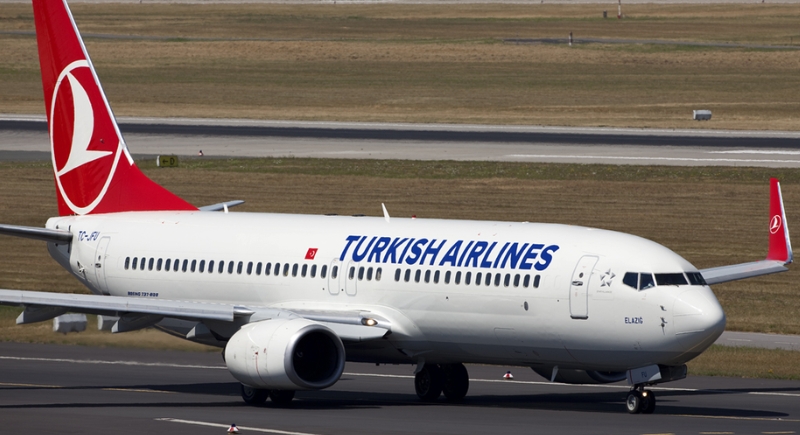
Turkish Airlines
Credit: Wikimedia Commons
Rapid expansion at Istanbul Airport added pressure, not excuses. Turkish Airlines balanced growth across Europe, Asia, and Africa while keeping delays from cascading. The airline remained inside the top 10 after recording an 81.41% on-time arrival rate, a solid result given the scale of its network.
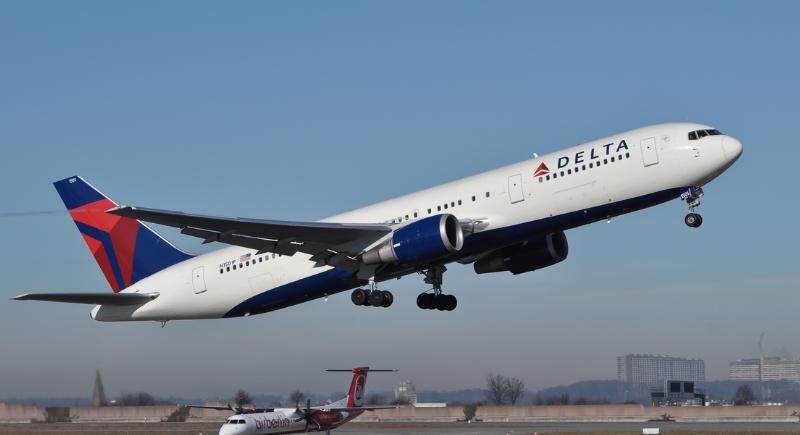
Delta Air Lines
Credit: Wikimedia Commons
Volume sets this airline apart from the rest of the list. Delta flew more than three times as many routes as most competitors here, yet still held its ground. An 80.90% on-time arrival rate kept it North America’s most punctual carrier and the only U.S. airline to appear in the global rankings.