Insane Things About the World That Almost No One Knows
The world is full of details that most of us never stop to notice. Some are buried underground. Others are hiding on maps or built into everyday infrastructure. They sound made up the first time you hear them, but they are completely real. These examples come from practical decisions about engineering, borders, and long-term planning, and they show how ordinary systems can produce truly surprising outcomes.
Sudan Pyramids
Credit: Wikimedia Commons
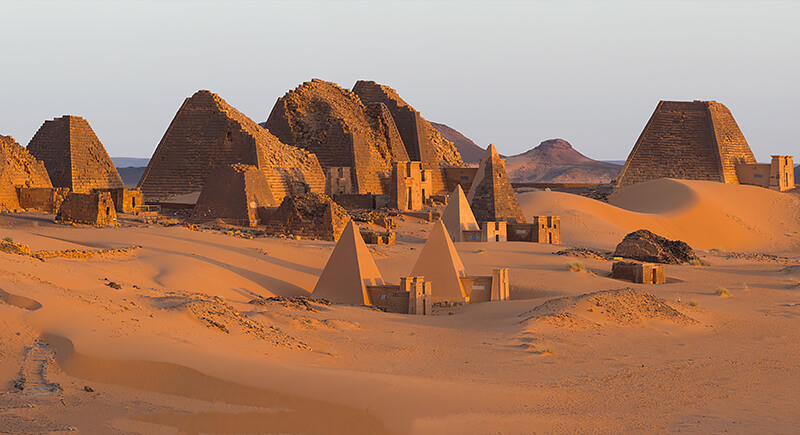
Egypt usually gets the spotlight for the pyramids, but history tells a different story farther south. Sudan contains roughly 255 pyramids built by ancient Nubian kingdoms. Many are smaller and steeper than those in Egypt, yet they mark powerful civilizations along the Nile. These structures rewrite assumptions about where monumental architecture flourished across northeastern Africa during ancient times, long before headlines formed.
Crypt Of Civilization
Credit: Wikipedia
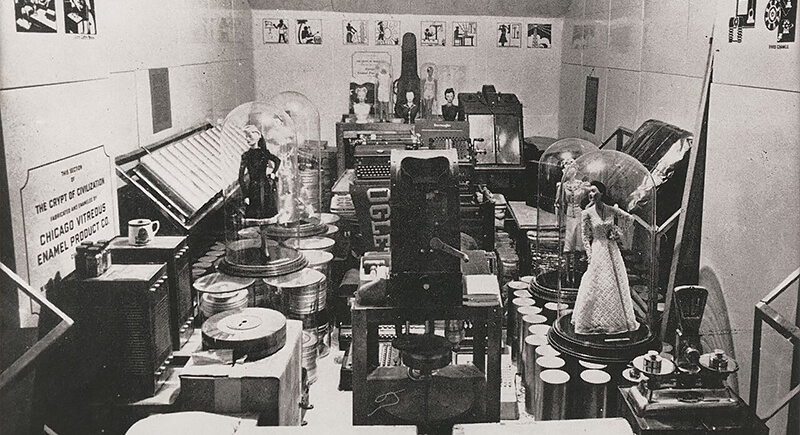
In 1940, leaders at Oglethorpe University sealed a chamber beneath a campus building and set it to remain closed until the year 8113. Known as the Crypt of Civilization, it holds everyday objects, recorded voices, books, and tools from the early 20th century. The idea was simple but bold: preserve a clear, honest snapshot of modern life so people thousands of years from now can see how we lived, worked, and understood the world.
Global Air Traffic
Credit: Getty Images
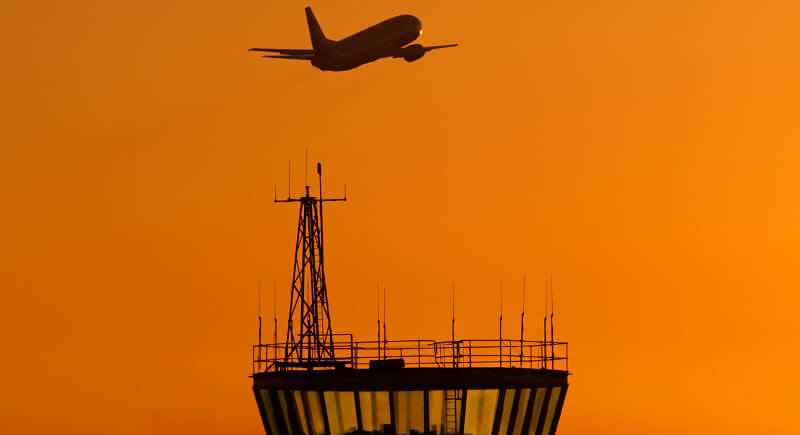
At almost any moment, thousands of airplanes are crossing the sky at the same time. Roughly 18,000 flights can be airborne simultaneously, carrying more than 1.3 million people. Behind that constant movement, air traffic control teams track routes, spacing, weather, and timing across continents and time zones. We experience it as normal travel, but it is a carefully managed system that operates continuously, 24 hours a day, without pause.
Trap Streets
Credit: Getty Images
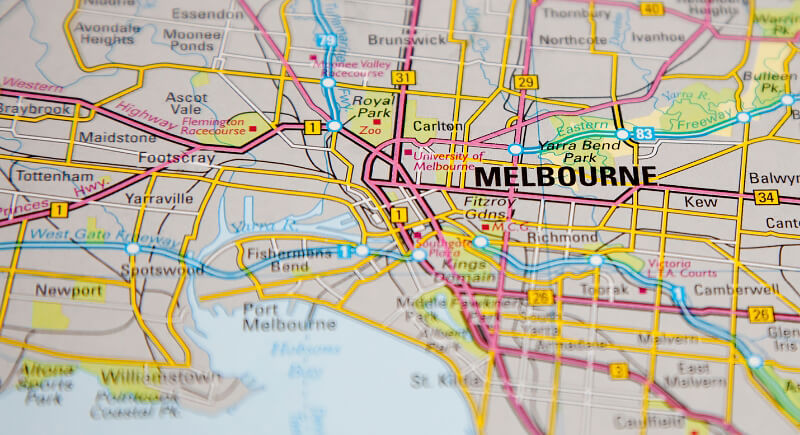
Maps do not always show pure reality, and sometimes that is deliberate. For decades, cartographers have inserted fake streets or made-up locations as hidden markers. These deliberate traps help reveal when rival companies copy maps and repeat the same planted errors. Long before digital navigation existed, a single fictional road could quietly protect a mapmaker’s intellectual property from theft, legal disputes, and large-scale copying during the era when paper maps dominated global navigation.
Stockholm Bunker Data Center
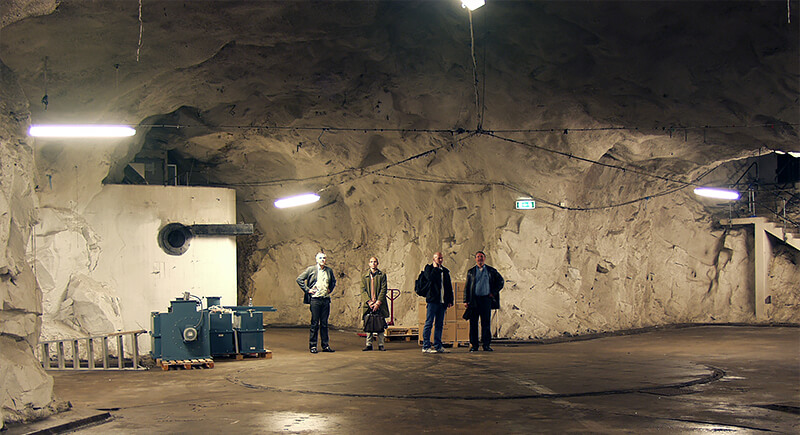
Credit: Wikimedia Commons
A former Cold War bunker in Stockholm now protects digital information instead of military assets. The facility, known as the Pionen White Mountains and operated by Bahnhof, sits deep inside solid rock. The surrounding bedrock helps regulate temperature, and the reinforced structure adds physical security. Engineers repurposed a space built for national defense into a working data center that runs modern internet infrastructure inside walls designed for long-term resilience.
Diomede Islands
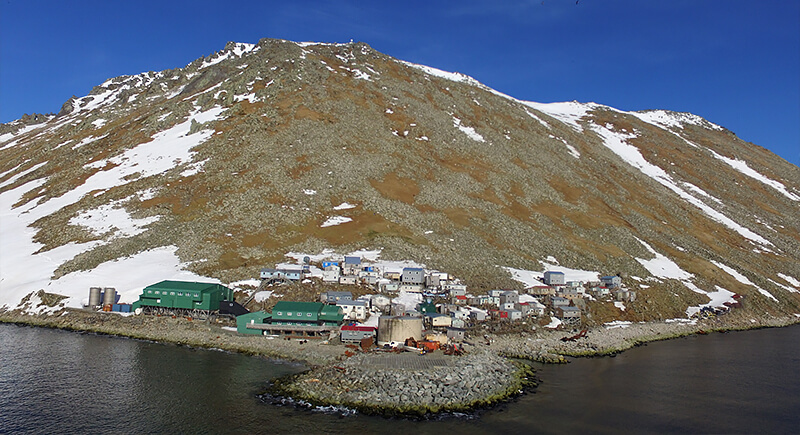
Credit: Wikimedia Commons
A short boat ride near the Diomede Islands can feel like stepping across time itself. The two islands sit just 2.4 miles apart between Alaska and Russia. The International Date Line runs between them, creating a time difference of about 21 hours. One island operates in one calendar day, while the other is already in the next, because national borders follow political time agreements drawn across the world decades ago.
London Mail Rail
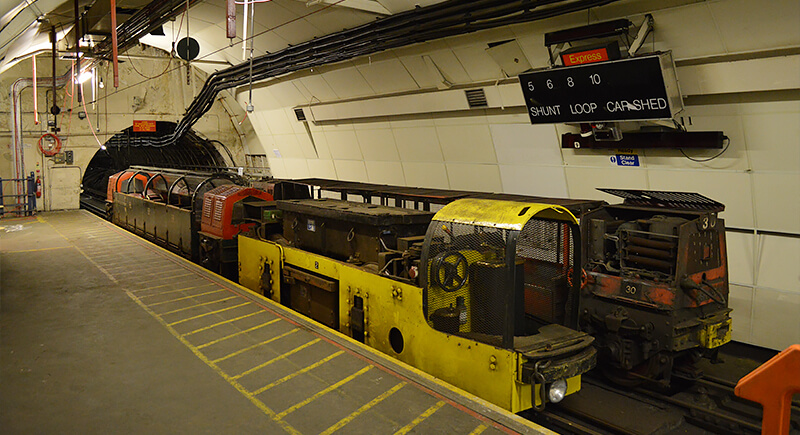
Credit: Wikimedia Commons
Mail once zipped through London on its own secret railway via the Mail Rail, which carried letters beneath city streets for much of the 20th century. Driverless trains moved post between sorting offices without traffic delays. The system finally shut down in 2003 as logistics changed and technology replaced underground delivery routes across the capital daily operations unseen by residents above ground.
Swiss Civil Defense Shelters
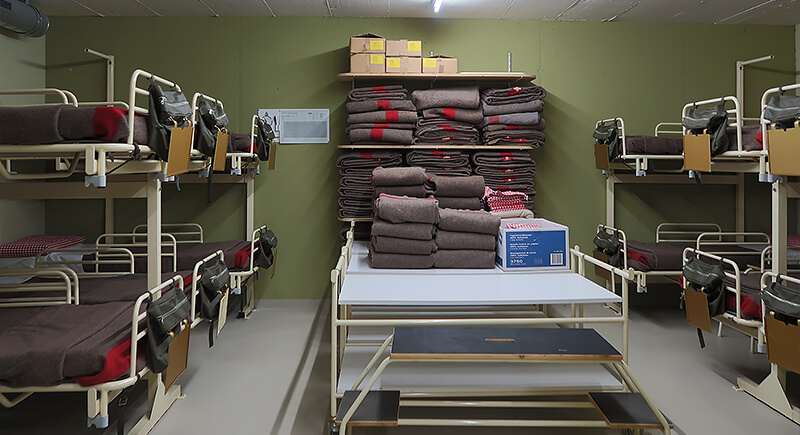
Credit: Wikimedia Commons
Switzerland prepared for disaster with remarkable thoroughness during the Cold War. Laws required enough shelter space for nearly every resident. Many apartment buildings still contain bunkers hidden behind ordinary doors. The goal was straightforward: readiness for nuclear emergencies. Decades later, these shelters remain quietly in place beneath daily life across cities, towns, and villages nationwide, regardless of size, age, ownership, or current use.
Bir Tawil
Credit: Wikimedia Commons
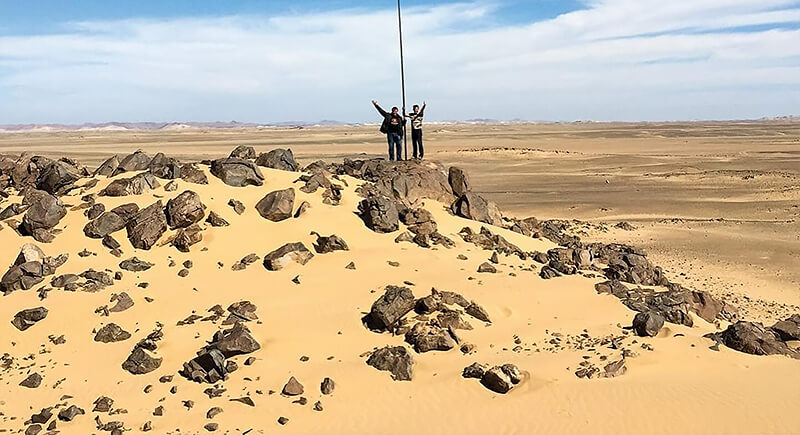
One place on Earth officially belongs to no country. Bir Tawil lies between Egypt and Sudan and remains unclaimed because of conflicting border agreements. Each nation recognizes a different boundary line, leaving this stretch of desert without an owner. The territory has no government and no permanent residents. They also have no official flag, despite decades of maps, political negotiations, historical disputes, treaties, and diplomatic disagreements.
Tokyo Flood Tunnels
Credit: Wikipedia
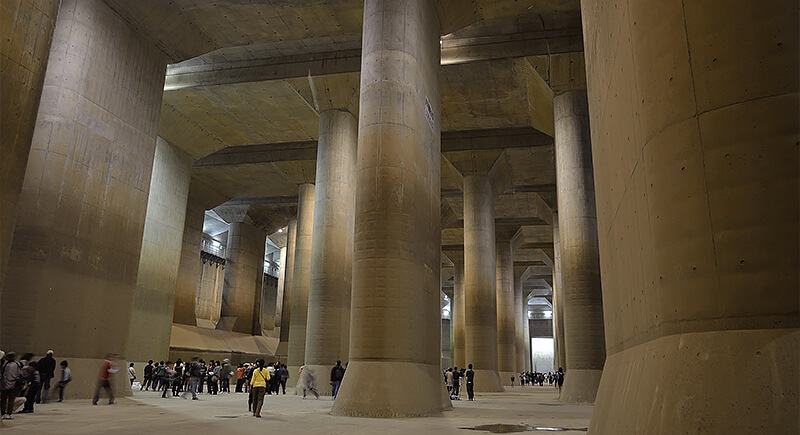
Rain overwhelms Tokyo so often that the city built a hidden backup plan beneath its streets. Massive concrete tunnels sit underground, ready to swallow floodwater during typhoons. The system redirects overflowing rivers away from neighborhoods and into enormous storage chambers. As climate risks rise, engineers designed them to withstand sudden storms in one of the world’s most crowded urban areas.