10 Places in the World Where You Are Forbidden to Go
Most places on Earth can be explored online, and many can be visited in person with the right planning. But a few spots are completely off-limits by law, by nature, or by design. These aren’t just hard to reach. You’re not allowed in at all.
Some are protected for scientific research. Others are blocked off for national security or to preserve fragile communities, and some are simply too dangerous. Here’s a closer look at the places you’re not allowed to visit, and why.
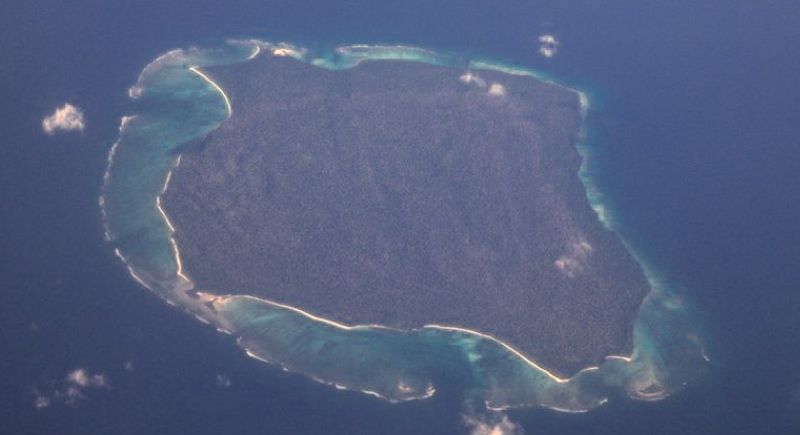
North Sentinel Island, India
Credit: Wikimedia Commons
The people who live here don’t want contact, and Indian law makes sure they don’t get it. The Sentinelese have remained isolated for over 50,000 years. Any outsider contact risks introducing a disease to which they have no immunity. The island is protected by legislation, and approaching it is both illegal and dangerous.
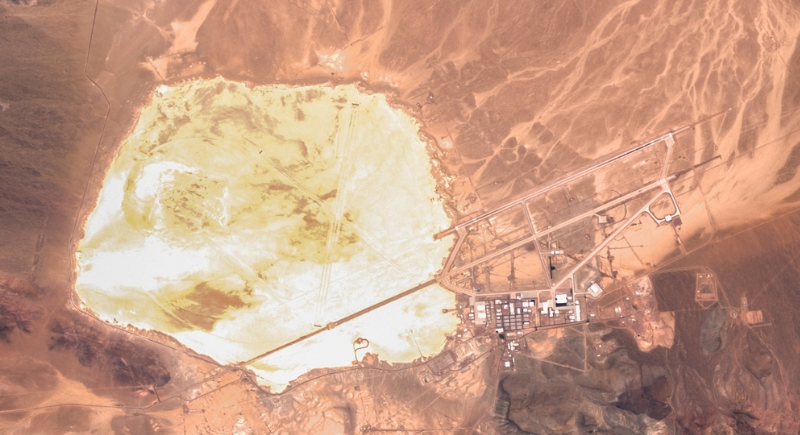
Area 51, United States
Credit: Wikimedia Commons
Alien rumors aside, this U.S. military base in Nevada is very much a reality. It’s used for advanced aircraft testing, but everything about it, from operations to layout to even daily routines, is highly classified. Security teams guard the desert perimeter, and the surrounding airspace is a no-fly zone. You won’t find tour buses stopping nearby.
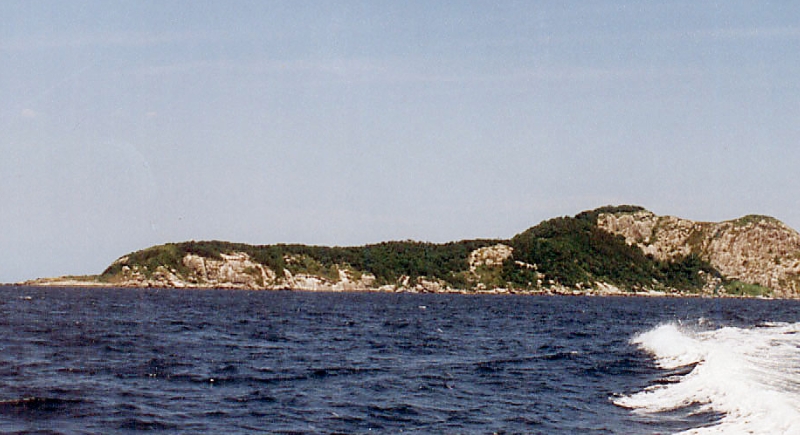
Snake Island, Brazil
Credit: Wikimedia Commons
Ilha da Queimada Grande is home to thousands of golden lancehead vipers, one of the world’s most venomous snakes. Their population is dense enough that walking the island would mean encountering one every quite often. Brazil closed the island to the public, allowing only approved researchers under tight health supervision.
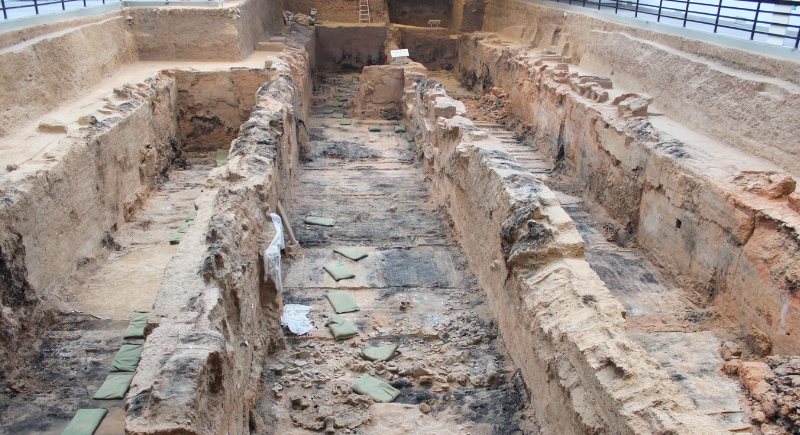
Tomb of Qin Shi Huang, China
Credit: Wikimedia Commons
Though the Terracotta Army is on full display, the tomb of China’s first emperor remains untouched. Historical records suggest rivers of mercury might line the chambers. Out of both caution and cultural respect, Chinese authorities have halted excavation. The site has stayed sealed since it was buried in 210 BCE.
Surtsey Island, Iceland
Credit: Wikimedia Commons
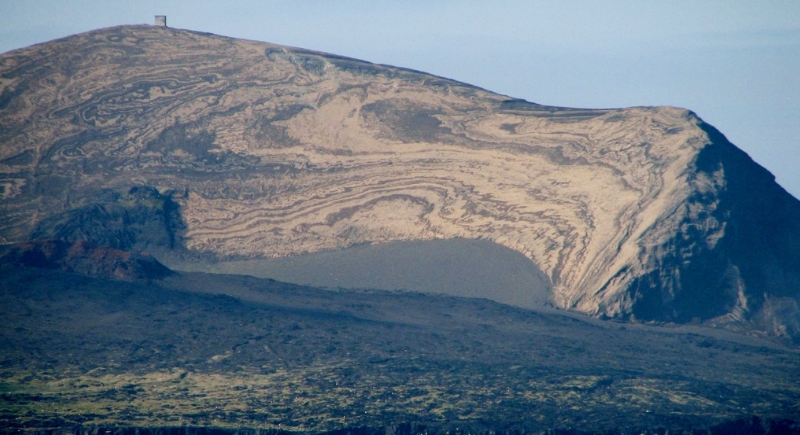
Surtsey serves as a controlled lab for ecological studies, as it was born from a volcanic eruption in the 1960s. To monitor how life colonizes new land, Iceland permits only a small group of scientists to land on the island. Any tourism or casual entry could ruin decades of research.
Ise Grand Shrine, Japan
Credit: Wikimedia Commons
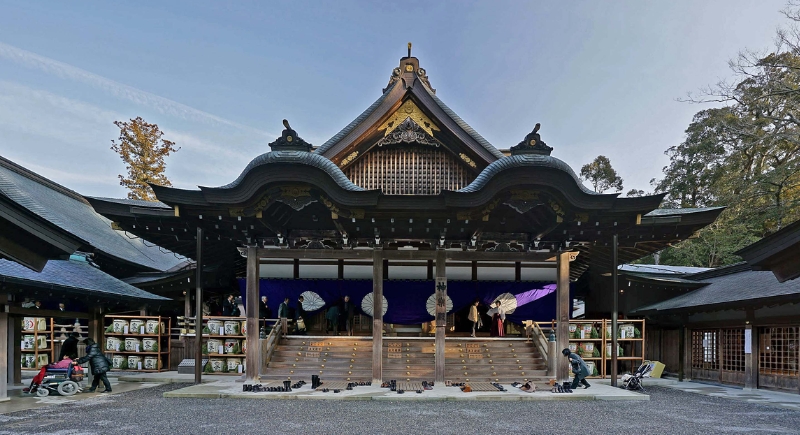
Dedicated to the sun goddess Amaterasu, Ise Jingu is considered Japan’s most sacred Shinto shrine. It’s torn down and rebuilt every 20 years using ancient techniques, a tradition that’s been ongoing for over a millennium. Entry beyond the outer fences is restricted to members of the imperial family and high-ranking priests.
Lascaux Caves, France
Credit: Wikimedia Commons
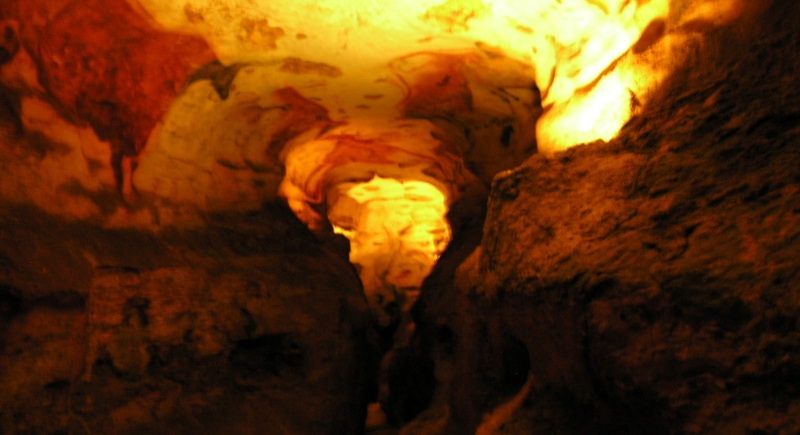
These caves in southwestern France contain Paleolithic paintings estimated to be approximately 17,000 years old, which were discovered in 1940. Public visits ceased in 1963 when exposure began to damage the art. Now, a full-scale replica—Lascaux II—welcomes tourists while the original remains sealed to prevent further deterioration.
Dulce Base, United States
Credit: The Center for Land Use Interpretation
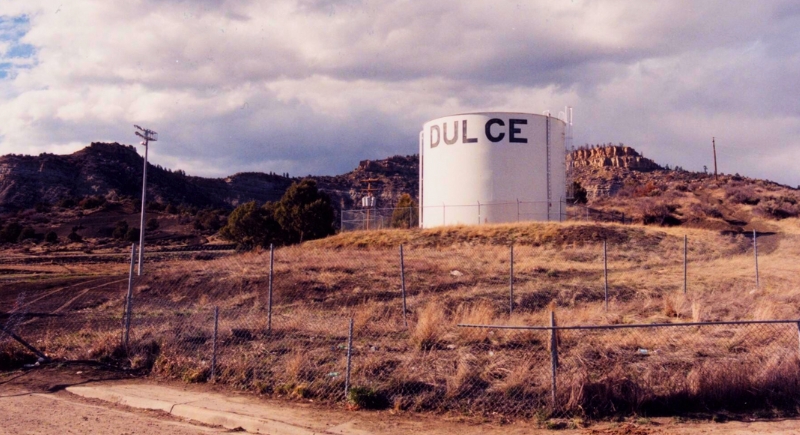
Located near the Colorado–New Mexico border, Dulce is the center of decades-old rumors involving secret tunnels, surveillance, and deep-state science fiction. Officially, the base doesn’t exist. That hasn’t stopped conspiracy theorists from claiming it’s a hub of underground experimentation. No one’s been able to prove anything or get close.
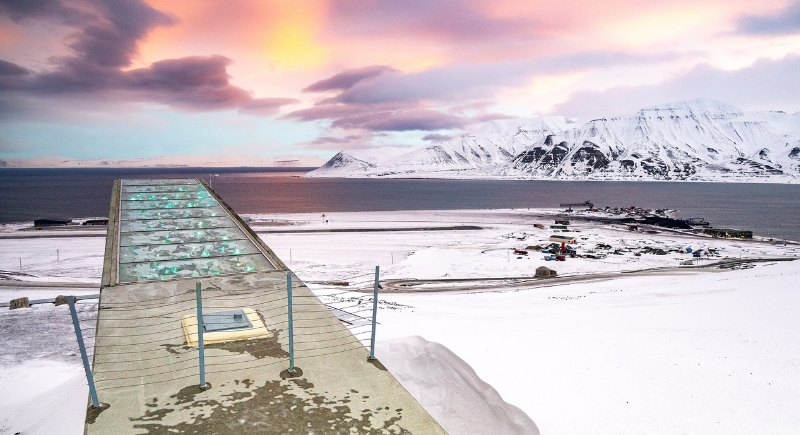
Svalbard Global Seed Vault, Norway
Credit: Wikimedia Commons
This facility, built deep into a mountainside on a remote Arctic island, houses backup seeds for global agriculture. Its doors are closed to the public, with only authorized personnel allowed inside. It’s designed to withstand war, natural disasters, and climate change, operating quietly as an insurance policy for plant life.
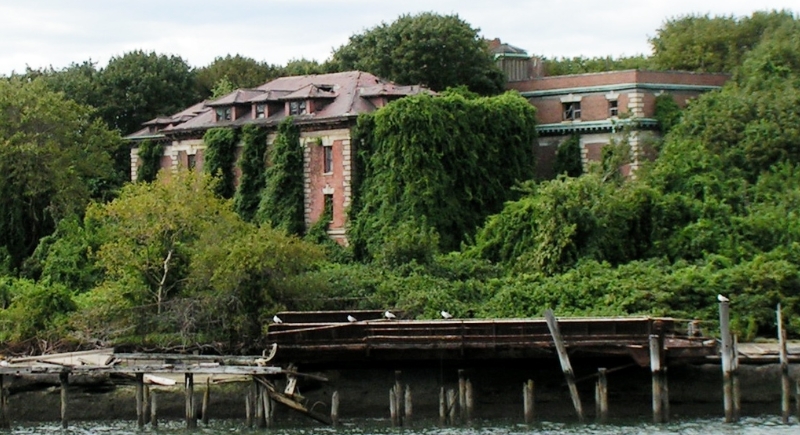
North Brother Island, United States
Credit: Wikimedia Commons
In the East River between the Bronx and Rikers Island sits this abandoned former quarantine facility. Most famous for housing Typhoid Mary, it later became a drug rehab center before closing in the 1960s. Now, it serves as a protected bird sanctuary. Public access is banned to protect its delicate habitat.