10 Most Dangerous Roads in the World
While many drivers worry about congestion or long commutes, some roads around the world present far more serious risks. These routes are carved into cliffs, cross unstable terrain, or lack basic safety infrastructure. For the people who rely on them daily, danger is part of the commute. This list examines 10 of the most dangerous roads in the world and why they remain in use.
Zojila Pass, India
Credit: Wikipedia
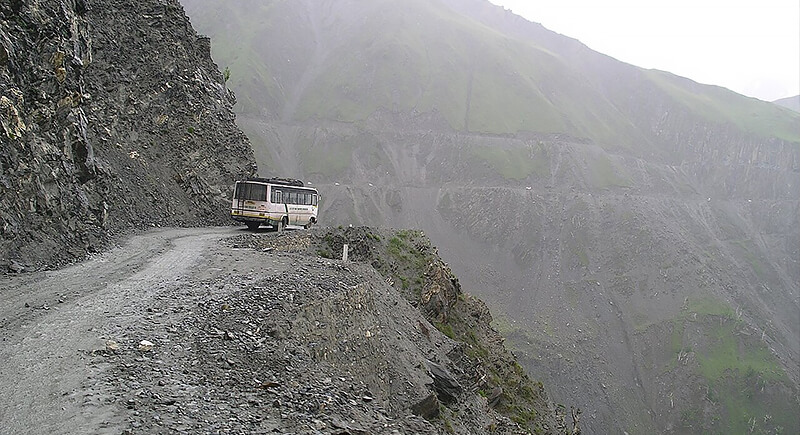
At an elevation of 11,575 feet in the Himalayas, when this passage opens, drivers face a road so narrow that two vehicles can’t pass simultaneously. Military convoys share the route with civilian traffic. The Indian government opened the Z-Morh tunnel in late 2024 to bypass some dangerous sections, but the main pass remains treacherous and essential for thousands daily.
James Dalton Highway, Alaska
Credit: Wikipedia
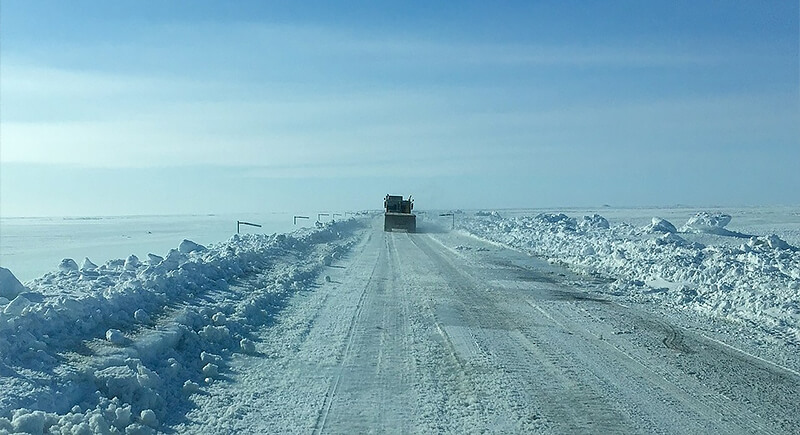
This 414-mile haul road became famous thanks to reality TV, but truckers who work it will tell you the show barely scratched the surface. Around a quarter of the highway is paved. The rest is loose gravel that can shred tires and shatter windshields when trucks blast past. Gas stations are sometimes several hundred miles apart, and winter temperatures plunge below −40°F.
Sichuan-Tibet Highway, China
Credit: Wikimedia Commons
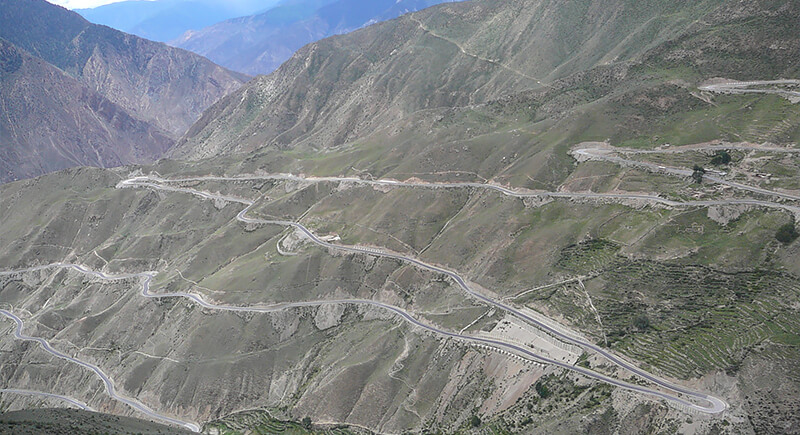
Spanning 1,330 miles at altitudes topping 16,000 feet, this route takes several days to complete when conditions are favorable. Landslides bury sections without warning, and avalanches can trap drivers for days. Oxygen gets thin enough to cause altitude sickness while you’re behind the wheel. The Chinese government has paved large portions, but that hasn’t stopped rockfalls from punching holes through asphalt or prevented ice from coating hairpin turns.
Skippers Canyon Road
Credit: Wikimedia Commons
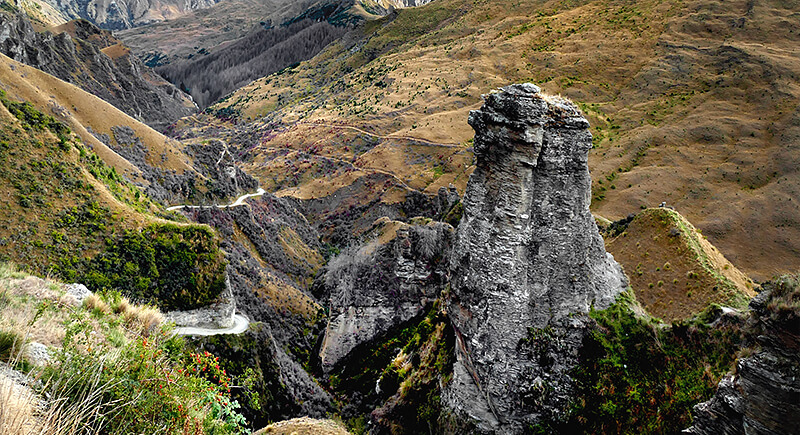
New Zealand’s Skippers Canyon Road clings to a gorge near Queenstown, hand-carved by gold miners in the 1860s. The gravel track narrows to single-lane sections with sheer drops and blind corners. Rain turns the surface slick, and rental insurance sometimes refuses coverage. History, isolation, and exposure combine to keep speeds low and nerves high.
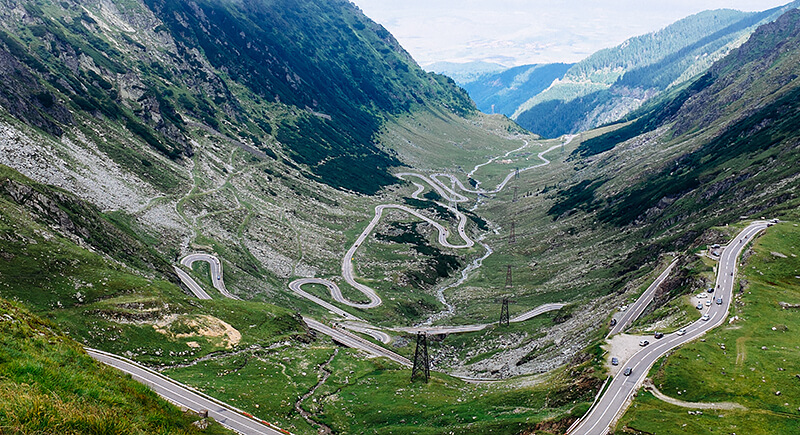
Transfăgărășan, Romania
Credit: Wikimedia Commons
Built in the 1970s as a military route through the Carpathian Mountains, this 56-mile highway climbs to 6,699 feet through 800 curves. Former Top Gear host Jeremy Clarkson called it “the best road in the world,” which might be true if you enjoy dodging sheep herds at 45 mph. Romania typically opens the road for a few months because snow makes it more dangerous the rest of the year.
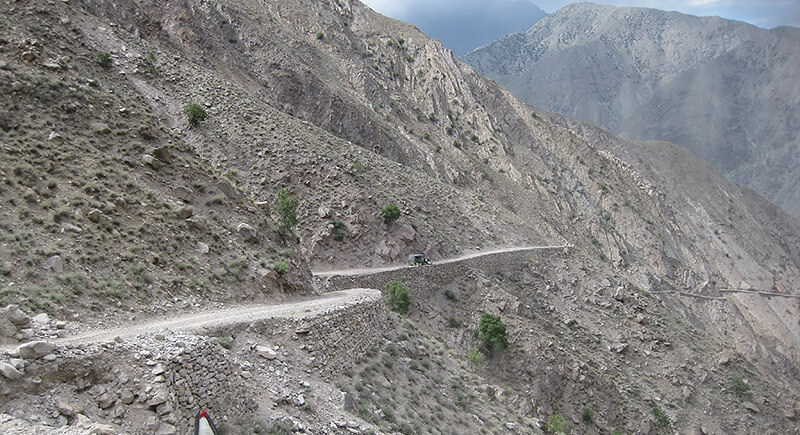
Fairy Meadows Road, Pakistan
Credit: Wikimedia Commons
Specialized 4×4 Jeeps are the only vehicles allowed on this 6-mile track to Nanga Parbat base camp, and even those occasionally tumble off the edge. The route was blasted into mountainsides at 10,000 feet with drops so steep that people can’t see the bottom. No guardrails exist, but locals drive on it since it’s the only way to reach some villages. Tourists typically must use local drivers rather than drive themselves.
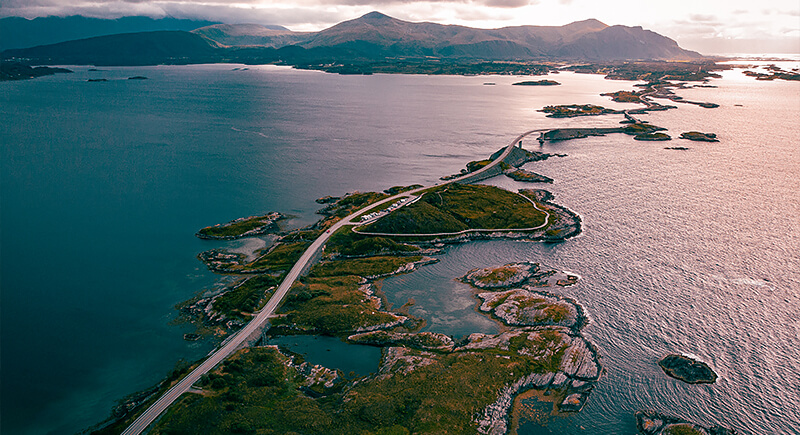
Atlantic Road
Credit: Wikimedia Commons
This one might be familiar to some, as it’s featured in travel documentaries and automotive commercials. Norway’s Atlantic Road hops across small islands using bridges exposed to the Norwegian Sea as storms send waves crashing over the pavement. High winds, slick surfaces, and sudden loss of visibility raise the risk of an accident. Opened in 1989, the route is a key piece of infrastructure and a spectacle that rewards calm drivers who understand coastal weather.
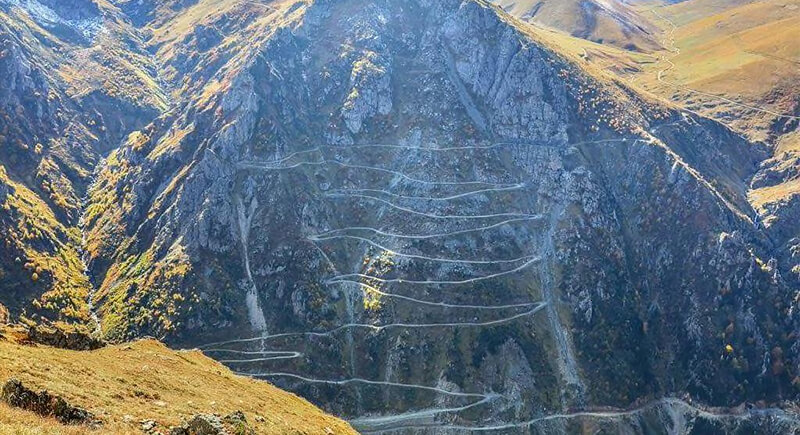
Bayburt D915, Turkey
Credit: Reddit
Dozens of consecutive switchbacks climb through the Soğanlı Mountains between the Black Sea coast and Bayburt city. Rally drivers use this road to test their skills, which speaks to its difficulty. Some will pass on blind curves and accelerate through turns like they’re late for an appointment with destiny. The Bayburt D915 traces an old mountain passage historically used for regional trade and transport between inland Anatolia and the Black Sea.
Keylong Kishtwar Road, India
Credit: Youtube
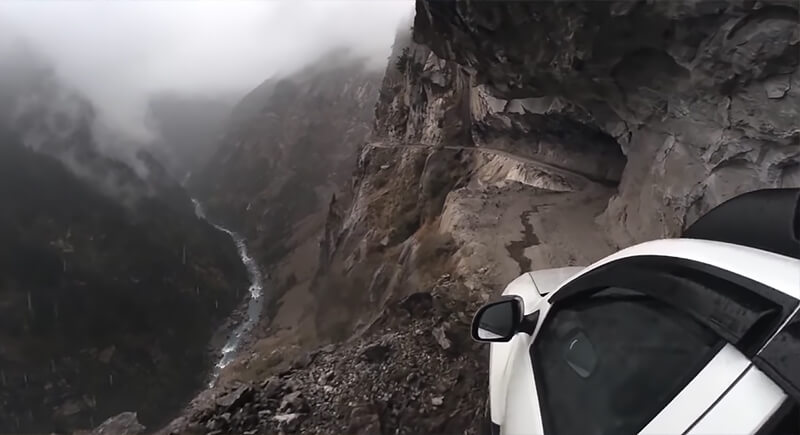
This 146-mile dirt track narrows to single-lane width in sections called “Cliff Hanger,” which is not a comforting name when you’re staring at a 3,000-foot drop. Cell coverage is limited along most of the route. Indian authorities recommend traveling in a convoy with at least two vehicles in case one breaks down or slides off the edge. The road remains open from late spring to early autumn despite conditions that would shut down highways in other countries.
Ibar Highway, Serbia
Credit: Wikimedia Commons
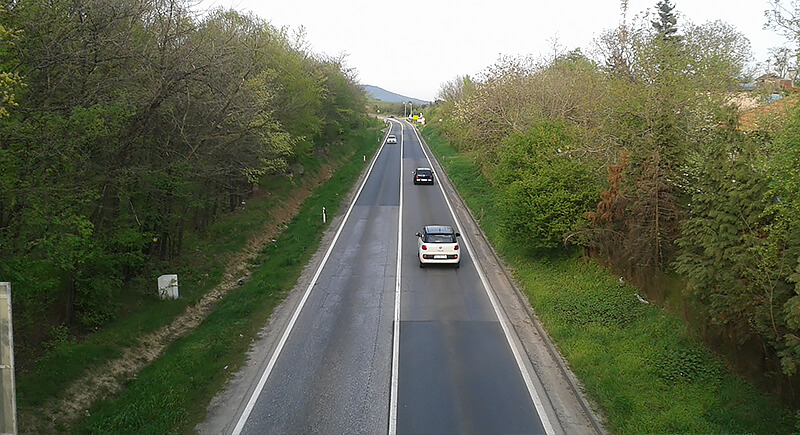
State Road 22 earned the nickname “Black Highway” through decades of accidents on what appears to be a regular route. The problem is the combination of straight sections that encourage speeding, followed by sudden, sharp curves hidden around blind corners. The highway connecting Belgrade to Montenegro proves that modern roads can be as fatal as mountain passes if you’re not paying attention.