10 World-Class Landmarks That Are Reimagined and Repeated
Famous landmarks aren’t always tied to just one place anymore. Replicas of well-known structures can be found in cities, resorts, and themed developments around the world. They’re created to attract visitors and tap into the global recognition these landmarks carry, thus allowing people to experience familiar icons without traveling to their original locations.
Parthenon, Nashville
Credit: Wikimedia Commons
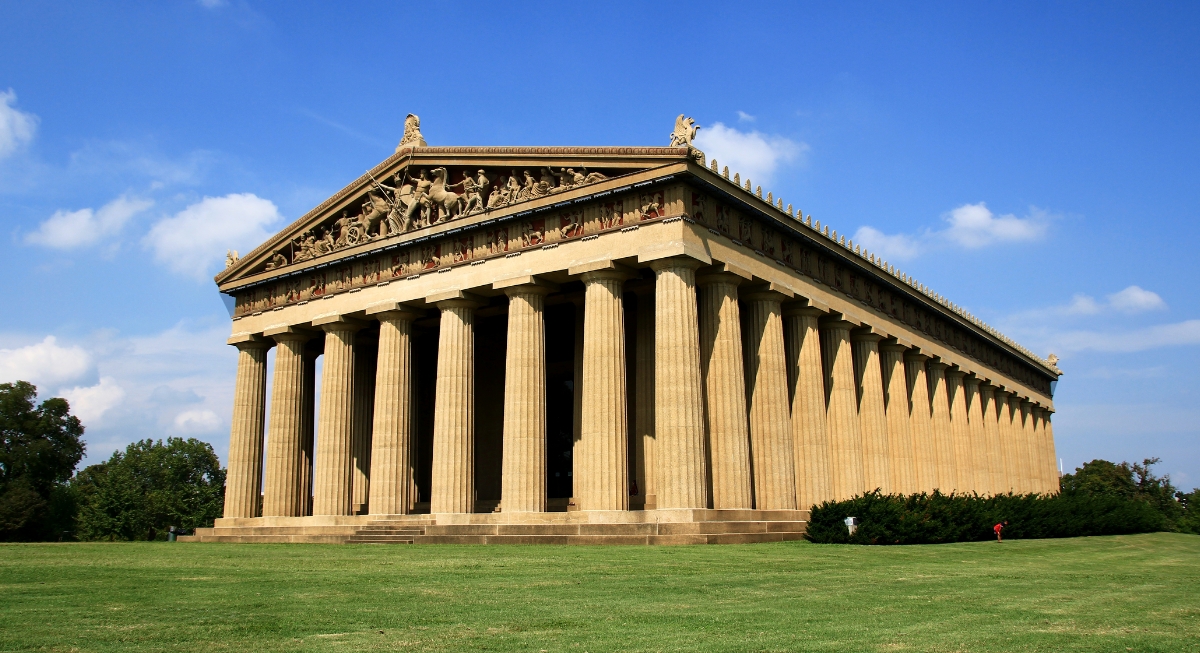
In the middle of Tennessee, there’s a full-scale Greek temple that anchors Centennial Park. Nashville built this Parthenon replica for the 1897 Centennial Exposition, and it became so popular that the city reconstructed it permanently in concrete. Inside, there’s a 42-foot statue of Athena completed in 1990 using historical records. The building now operates as an art museum filled with American works.
Taj Mahal, Bangladesh
Credit: Wikimedia Commons
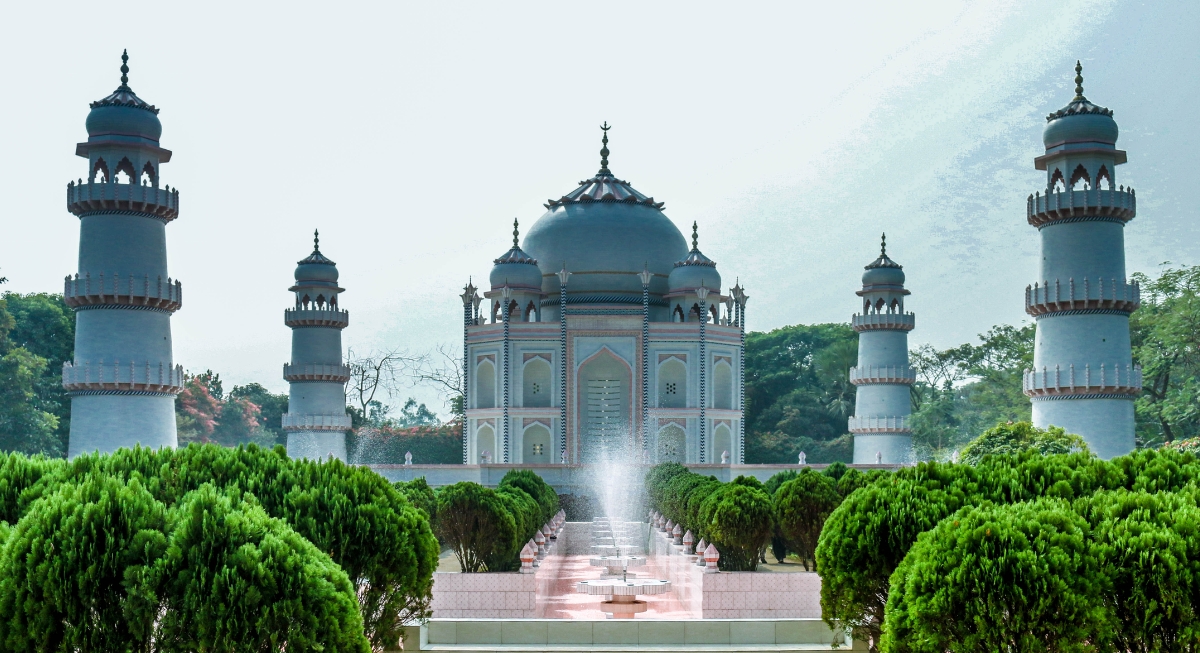
Ahsanullah Moni began constructing his Taj Mahal replica in 2003 near Sonargaon, and it opened in 2008. The site spans about four acres and uses imported Italian marble and Belgian stone. Moni explained that many locals could not afford to visit India, so he created an alternative nearby.
Tokyo Tower

Credit: Getty Images
Tokyo Tower looks like Paris took a detour into Japan. The structure was completed in 1958 and reaches 1,091 feet, slightly surpassing the Eiffel Tower. Its orange-and-white color scheme complies with aviation safety regulations. Observation decks at 492 feet and 820 feet offer sweeping views of Tokyo. Over time, it has become a symbol of postwar growth.
Cristo Rei
Credit: Wikimedia Commons
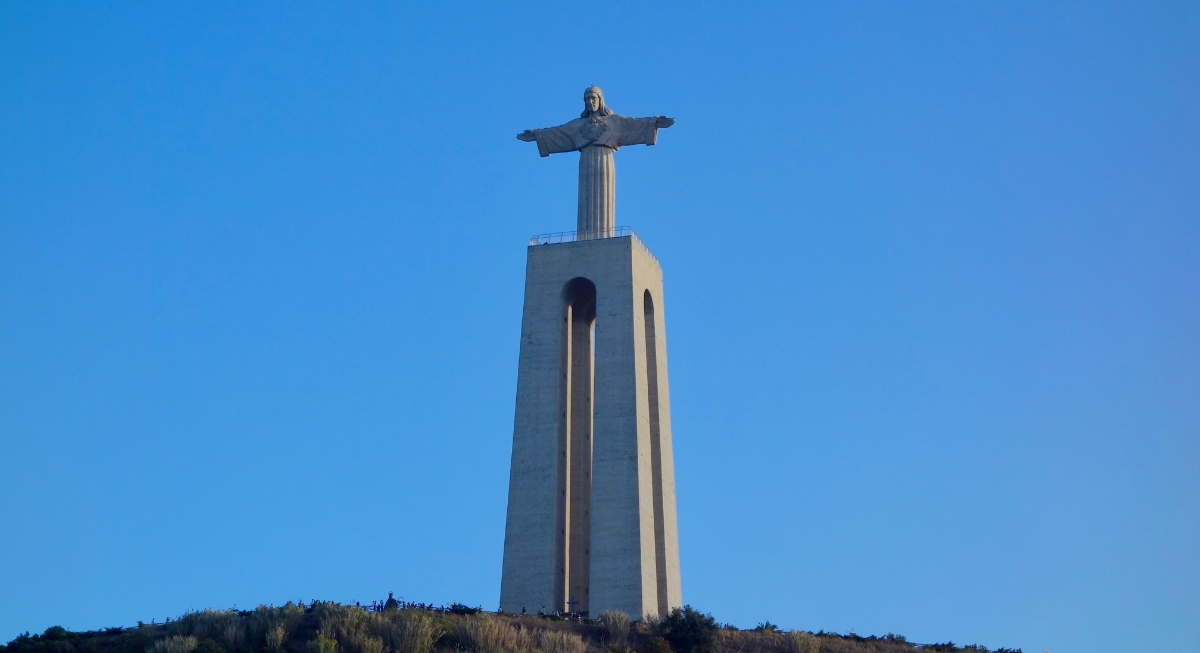
This towering statue stands above the Tagus River overlooking Lisbon. Portugal’s Cristo Rei rises about 90 feet tall and is located on a 246-foot pedestal. The idea took shape after a 1934 visit to Rio de Janeiro, where the Christ the Redeemer statue left a clear impression. Construction moved forward after World War II, tied to the belief that Portugal had avoided major destruction. Today, an elevator carries visitors up to a viewing platform.
Leaning Tower Of Niles
Credit: Wikimedia Commons
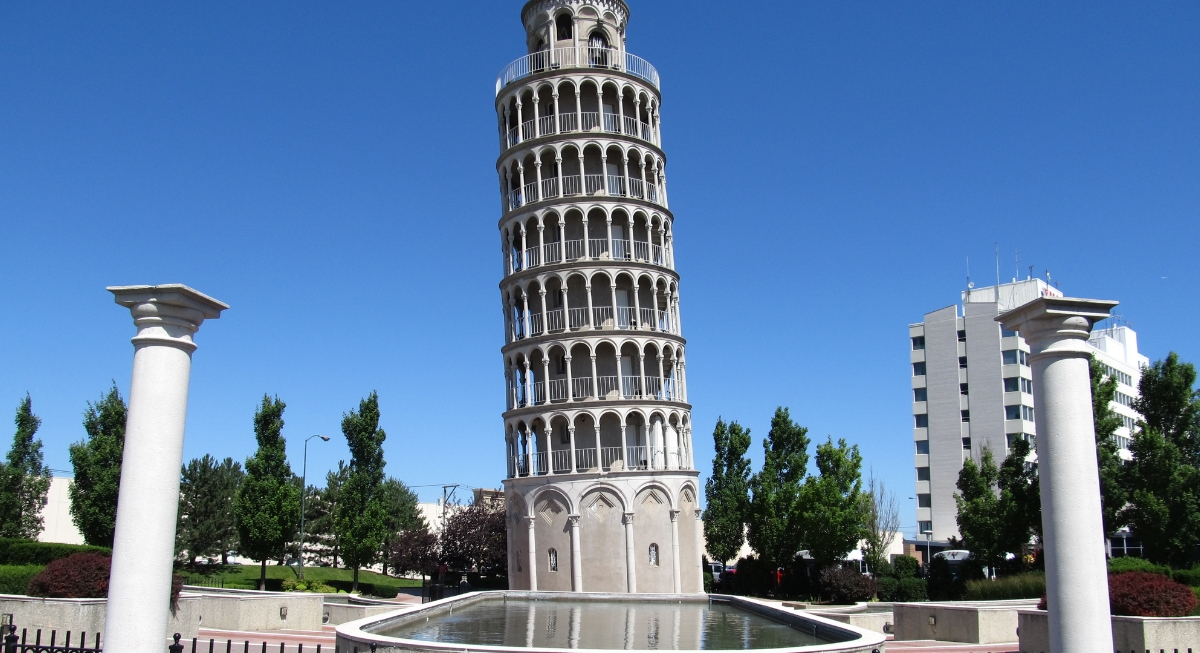
Robert Ilg built the Leaning Tower of Niles in 1934 to conceal water tanks, but it quickly became an attraction. In a way, it’s a swimming pool problem that led to one of the most unexpected landmarks near Chicago. The structure is 94 feet tall and leans about 7 feet, roughly half the size of Pisa’s original. A plaza and fountain were later added after Niles partnered with Pisa as a sister city.
London Bridge, Arizona
Credit: Wikimedia Commons
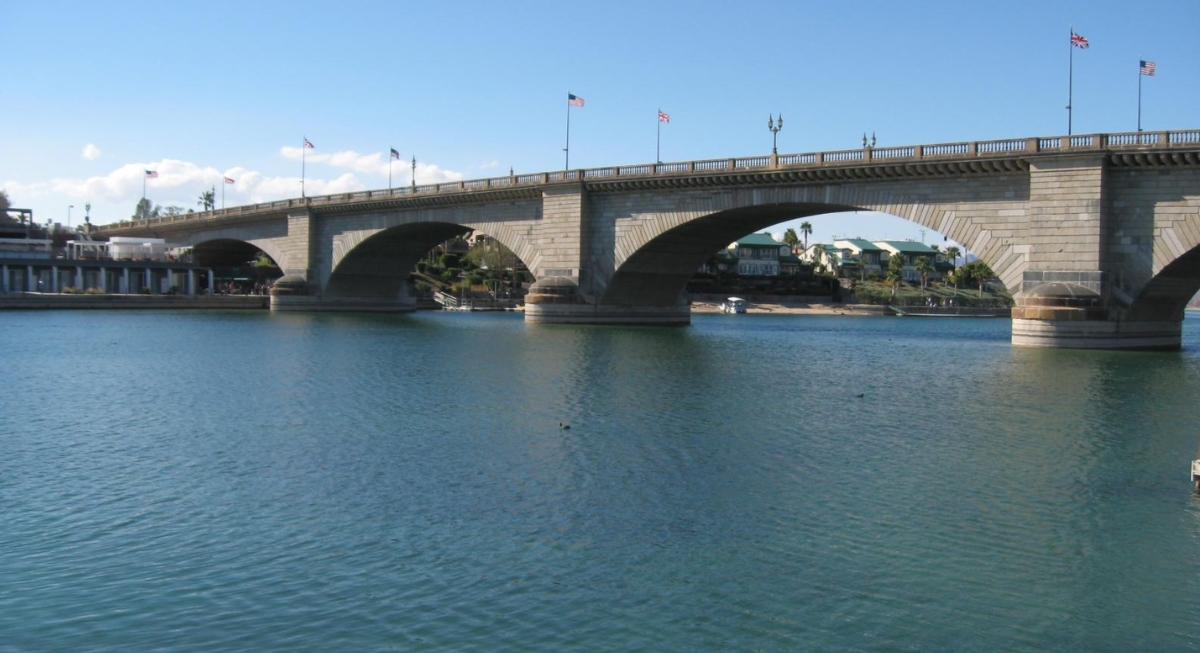
Instead of copying a landmark, Lake Havasu City decided to import one piece at a time. The original London Bridge was purchased for $2,460,000 after it became unsuitable for use in England. Workers dismantled it, shipped it to Arizona, and rebuilt it before reopening in 1971. It functions as a working bridge and a major tourist draw.
Sydney Harbour Bridge Replica
Credit: Wikimedia Commons
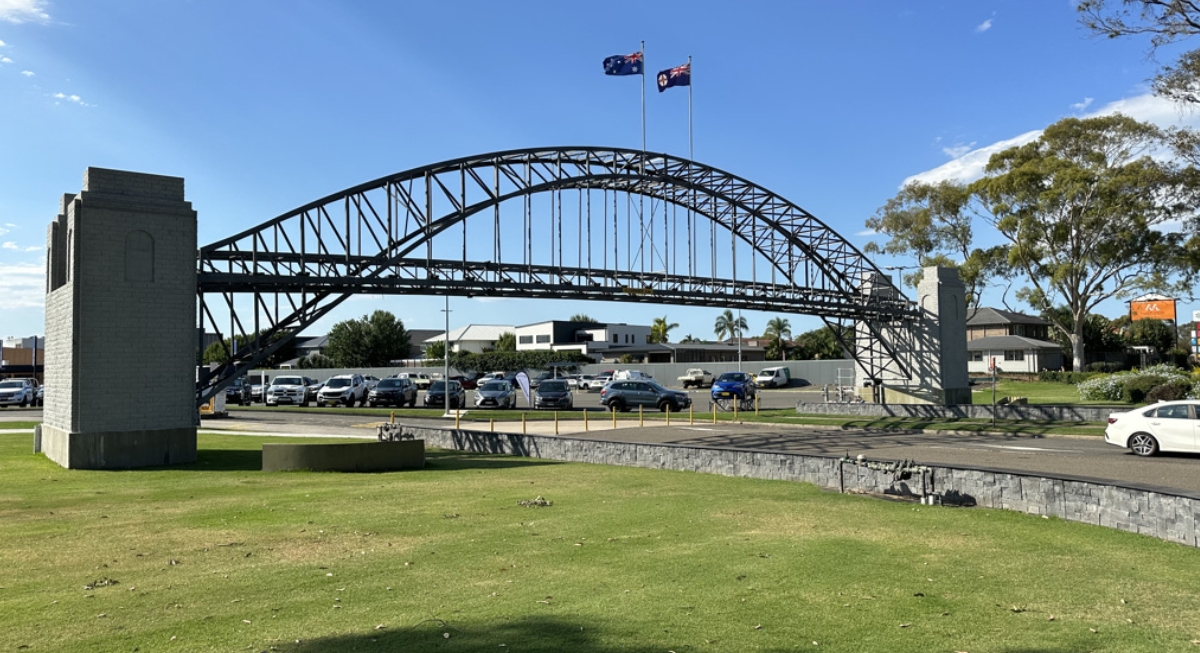
Drivers passing through Warwick Farm often spot a familiar arch that feels slightly out of place. This scaled-down version of the Sydney Harbour Bridge was built by Royal Australian Navy apprentices for the 1987 Rugby League Grand Final. A businessman later bought it and placed it at his dealership to mark Australia’s Bicentenary. The structure is located about 19 miles from the original bridge.
Statue Of Liberty, Visnes
Credit: Wikimedia Commons
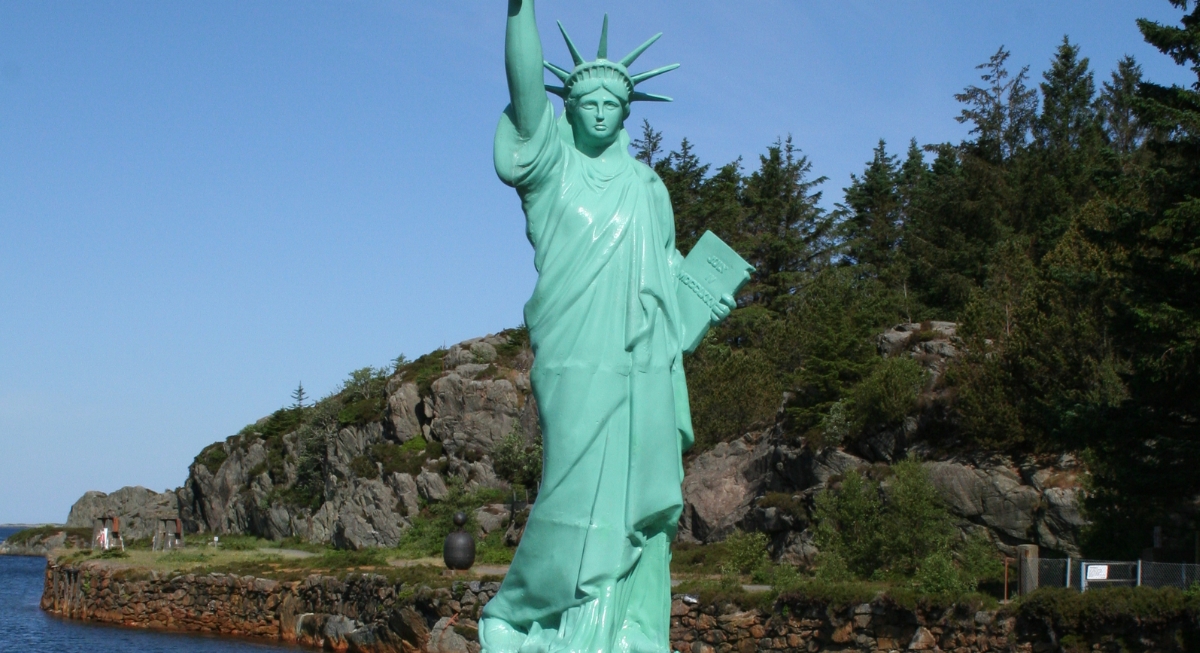
There’s a version of the Statue of Liberty beside a Norwegian fjord. This replica is near the copper mine that supplied material for the original statue in New York. The mine operated until 1972 and played a direct role in the monument’s creation. Its placement connects a global symbol back to its source.
Foamhenge
Credit: Wikimedia Commons
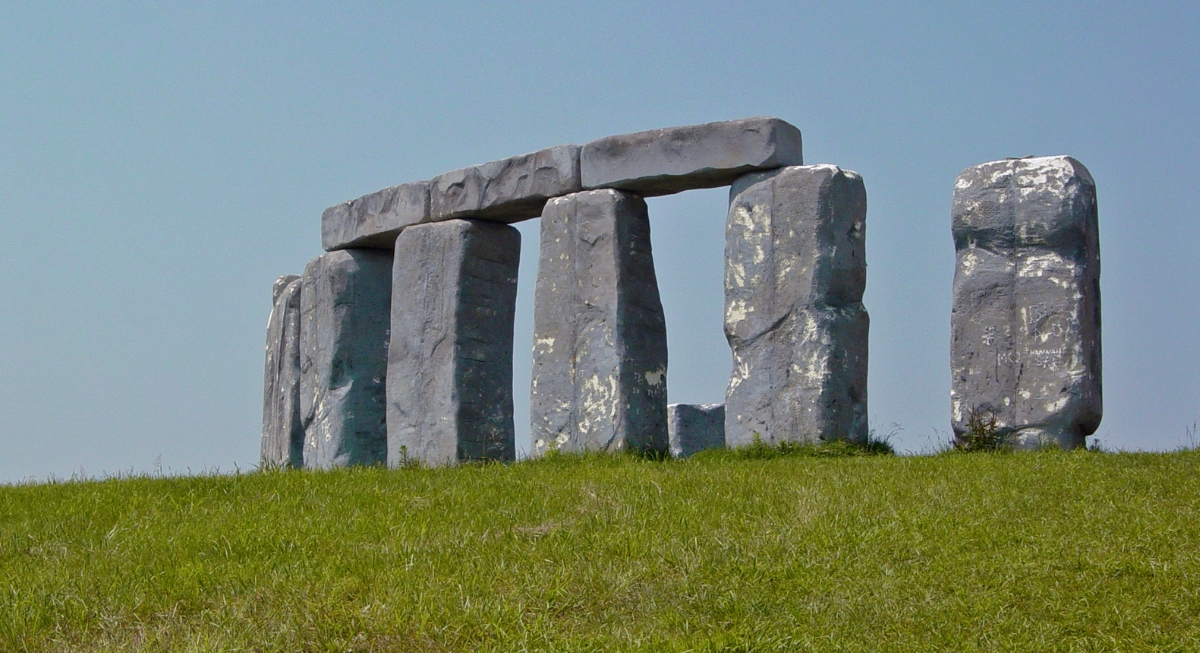
Stonehenge usually brings to mind massive stones, but this version completely rewrites that expectation. Artist Mark Cline built Foamhenge in Virginia in 2004 using Styrofoam shaped to match the original layout. The structure follows the same astronomical alignment as the real site in England. Each piece was carved and painted to resemble aged stone while staying lightweight.
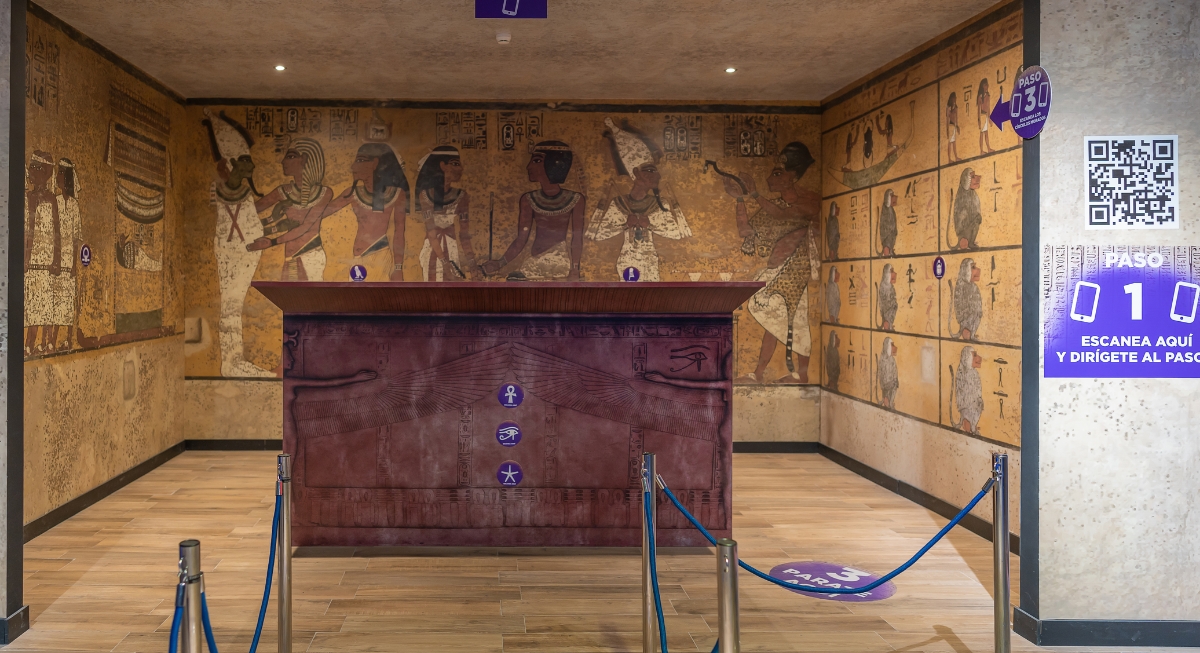
Tutankhamun Tomb Replica
Credit: Wikimedia Commons
Egypt opened a detailed replica of King Tutankhamun’s tomb in 2014 to reduce wear on the original site. The project took five years and cost $690,000, relying on 3D laser scanning for precision. Machines recreated the walls and sarcophagus before artists added finishing touches. The replica includes a museum space, while the mummy remains in the original tomb.