Why You Are Strictly Prohibited From Stepping on This Brazilian Island
There’s a small island off the coast of Brazil where setting foot on land is not allowed. And unlike most restricted places around the world, this ban isn’t about politics, privacy, or military secrecy. It exists because the environment itself is actively hostile to human life.
The Island That Humans Were Forced to Stay Away From
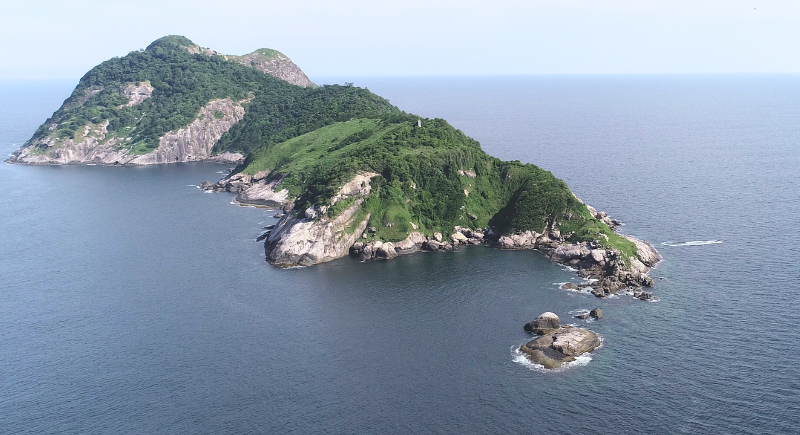
Image via Wikimedia Commons/Marinha do Brasil
Just off Brazil’s southeastern coast lies Ilha da Queimada Grande, a small, rocky island in the Atlantic Ocean.
At around 106 acres and about 35 kilometers from the mainland near São Paulo, it doesn’t look unusual from a distance. The name Snake Island starts to make sense once you know what lives there. It isn’t exaggerated. Snakes dominate the landscape in a way that’s hard to ignore.
A Place Where the Ground Is Alive
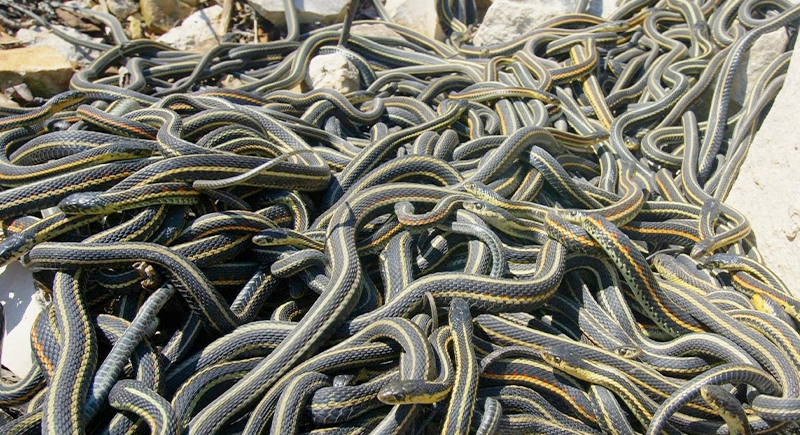
Image via Wikimedia Commons/Oleksandr Sushko
Queimada Grande is home to thousands of venomous snakes, specifically the Bothrops insularis, a species found nowhere else on Earth. Estimates vary, but researchers estimate the population at 2,000 to 4,000 individuals.
In certain densely populated areas of the island, concentrations can reach levels that make movement dangerous even for trained scientists.
This isn’t a case of occasionally spotting a snake in the wild. The species occupies nearly every viable part of the island’s terrain, from the forest floor to low vegetation. That density alone would make the island hazardous, but what truly sets it apart is how these snakes evolved.
Evolution Turned Them Into Something Deadlier
Thousands of years ago, rising sea levels isolated this landmass from mainland Brazil, trapping a small population of snakes in complete geographic isolation. With no ground predators and very limited food sources, survival depended on adaptation.
The snakes shifted their diet to migratory birds, which created a new problem. A bird that escapes after being bitten is a lost meal. Over time, natural selection favored snakes whose venom could act faster and more efficiently. This resulted in species with venom significantly more potent than that of their mainland relatives.
A bite from a golden lancehead can cause severe internal bleeding, tissue destruction, kidney failure, and, in extreme cases, death within hours if untreated. This is a biological system refined specifically to kill quickly.
Why the Island Is Strictly Off-Limits
Image via Getty Images/OKRAD
The Brazilian government didn’t ban access out of caution alone. The conditions on the island make emergency response extremely difficult. Steep terrain, dense vegetation, and a high concentration of venomous snakes mean that even experienced professionals face serious risk.
Brazilian authorities, including the Navy, tightly control access, and unauthorized entry can result in fines or arrest. The only people permitted are small groups of researchers, and even they must follow strict protocols. Medical support, antivenom, and detailed planning are required before anyone sets foot on the island.
It’s Not Just About Protecting People
Another reason the island remains closed is the golden lancehead, which is classified as critically endangered. Despite its reputation, the species is vulnerable due to its limited habitat, illegal wildlife trafficking, and declining bird populations on which it depends for survival.
At one point, individual snakes were reportedly targeted by smugglers and sold for tens of thousands of dollars on the black market. Even small disruptions to the population can have lasting effects because the species exists in only one place on Earth.
Keeping humans out isn’t just about preventing accidents. It’s about preserving a fragile ecosystem that cannot recover from heavy interference.
A Dangerous Place With Scientific Value
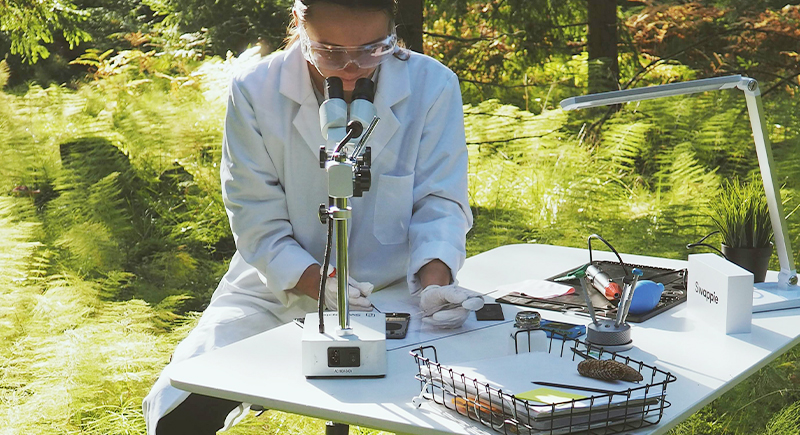
Image via Pexels/Alesia Gritsuk
Despite the risks, Queimada Grande is a very important natural laboratory for the world. Researchers study the island to understand how species evolve in isolation and how extreme environments shape biology over time.
The venom of the golden lancehead has also drawn attention for its potential medical applications. Scientists have identified compounds that may contribute to treatments for blood clots, cardiovascular conditions, and other serious illnesses. What makes the island dangerous is also what makes it valuable.
There are places on Earth that are difficult to reach, and others that are restricted by law. This island’s environment itself enforces its own restrictions.