Why the Savviest 2026 Travelers are Ghosting Private Car for Public Transport
Renting a car used to feel like the easiest way to stay in control while traveling. You could go anywhere, anytime, without thinking twice. In 2026, that mindset is shifting. In cities with strong transit systems, more travelers are skipping rental cars and planning their days around trains, metros, buses, and shared bikes or scooters that make getting around simpler.
This change is not happening because people suddenly fell out of love with cars. It is happening because public transport has improved, and in many major destinations it now better fwits how people move.
Convenience Has Started Beating Control
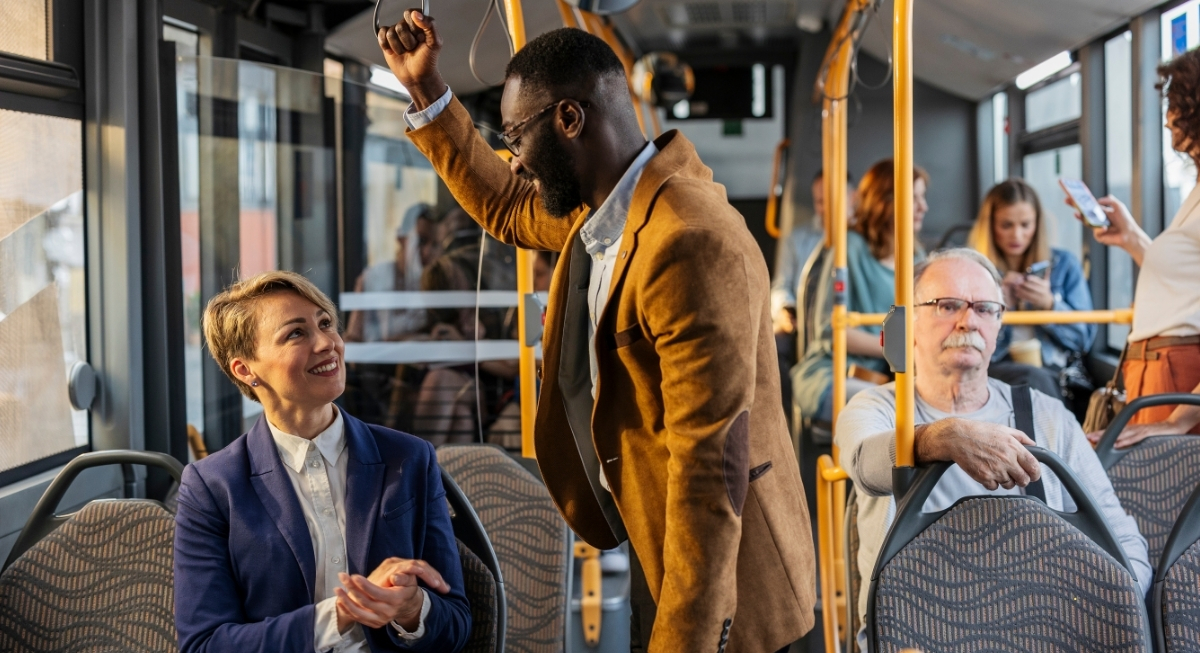
Image via Canva/Imágenes de jose carlos
Driving still sounds appealing when planning a trip. It promises flexibility, privacy, and independence. Once the trip begins, the experience often shifts. Parking takes time, traffic slows everything down, and navigating unfamiliar roads adds pressure. Costs also add up quickly with fuel, tolls, and rental logistics.
Public transport reduces much of that friction in places where the system is highly developed. In countries like Japan, Singapore, Germany, Switzerland, and the Netherlands, transit systems are so well organized that renting a car often becomes unnecessary for city travel.
Arriving at an airport and heading straight into the city by rail or metro is now a common experience in these locations. The process is direct, predictable, and easy to follow. Convenience is now defined by how smoothly you can move through a place without needing to drive.
Better Systems Are Changing the Equation
The growing preference for public transport depends on how well it performs. A 2023 Hitachi Rail study covering more than 8,000 people across eight global cities found that 75% would choose a better-connected transit system over driving. Convenience and comfort ranked highest among the reasons.
This shows that people are open to change when the system delivers. When public transport is fragmented or unreliable, driving remains the default. As networks improve and connections become easier, preferences begin to shift.
That momentum is more visible in 2026 because many cities have already invested in making transit more reliable and connected.
One Journey Now Feels Like One System
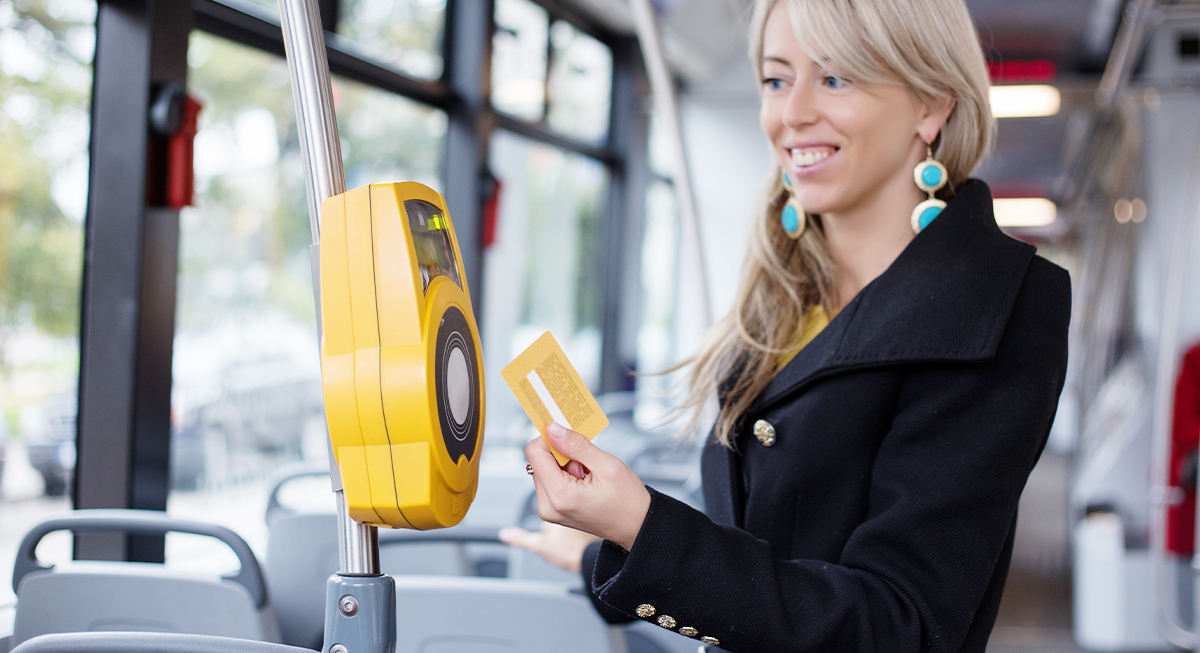
Image via iStockphoto/grinvalds
Public transport used to involve separate systems that did not always connect well. Travelers often needed multiple tickets and had to figure out the last part of the trip on their own.
Many cities are now moving toward unified platforms that allow travelers to plan, book, and pay for an entire journey through a single app or card. Singapore has already advanced this model, and others are following. The goal is to remove gaps between different modes of transport.
From a traveler’s perspective, this makes a noticeable difference. Moving from an airport to a hotel or from one neighborhood to another becomes a continuous process rather than a series of disconnected steps.
Technology has improved public transport in many ways. Real-time updates and data-driven adjustments now support systems that once relied heavily on fixed schedules. Travelers can track vehicles, receive route suggestions, and adjust plans as needed.
Cities Are Now Built More for Movement Than Parking
Urban design is also contributing to this change. Many cities are being shaped around transit and walkability instead of private cars.
Transit-oriented development brings housing, offices, and public spaces closer to transport hubs. Streets are designed with wider sidewalks, better cycling paths, and fewer parking areas. This creates environments where people can move easily without relying on a car.
Even visitors will be able to explore more easily. Time is spent moving through active neighborhoods instead of searching for parking. Projects like London’s King’s Cross redevelopment and long-standing planning in Stockholm show how this works in practice.
Similar ideas are shaping cities like Paris and Barcelona, where proximity and accessibility are becoming standard expectations.
The Best Transit Countries Are Redefining Freedom
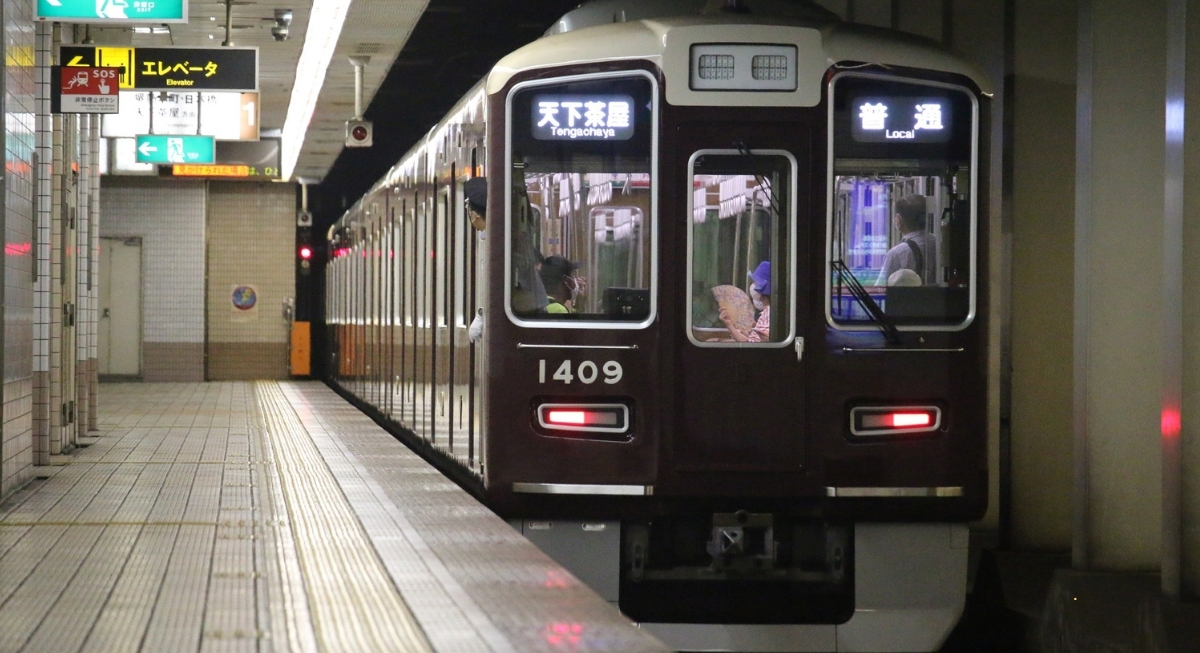
Image via Canva/Aflo Images
Japan’s rail system runs with precision and supports both local and long-distance trips. Singapore’s network connects the airport to the city efficiently.
Germany’s rail system allows easy movement between cities, while Switzerland’s trains connect major areas through scenic routes. In the Netherlands, transit and cycling work together to create a system where a car is rarely needed for most urban travel.
Travel preferences have evolved alongside these improvements. Many travelers now look for destinations that are easy to navigate, socially active, and designed for walking. They want to move through neighborhoods, spend time in public spaces, and adjust plans easily.