Why Planes Fly Over the Arctic but Not the Antarctic
Planes crossing the top of the world have become so normal that most people barely notice them anymore. Even so, hardly any scheduled commercial planes go anywhere near Antarctica. The reasons are practical, geographic, and tied closely to how modern commercial aviation operates.
The Arctic Sits Between The World’s Busiest Cities
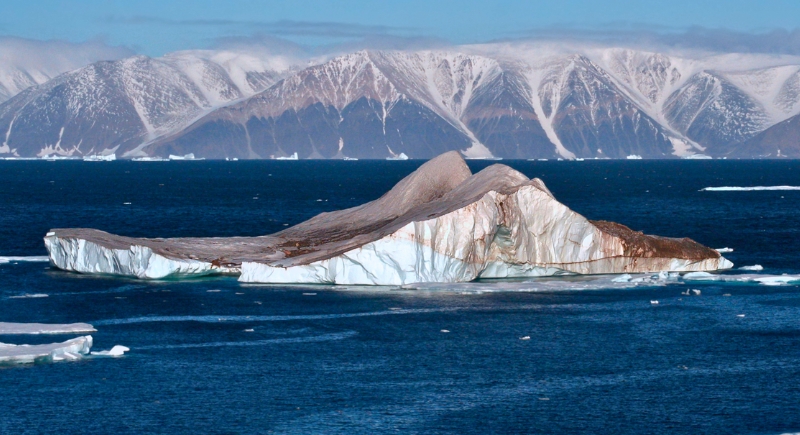
Image via Wikimedia Commons/Brocken Inaglory
Most long-distance air travel connects cities in North America, Europe, and Asia. These regions account for the majority of the world’s population, economic activity, and air cargo demand. When airlines plan routes between these cities, the most efficient paths often arc northward.
This is because aircraft do not fly according to straight lines on flat maps. They follow great circle routes, which represent the shortest distance between two points on the surface of a globe. On common map projections, these routes appear curved, even though they reduce distance, fuel burn, and flight time in reality.
Flights between city pairs such as New York and Tokyo, London and Beijing, or Chicago and Hong Kong frequently pass through high northern latitudes. These paths are chosen because they minimize distance and operating costs while ensuring compliance with safety requirements.
In the Southern Hemisphere, the geometry works differently. Major cities are more widely spaced, and even the shortest great circle routes usually remain over open ocean rather than crossing the Antarctic continent itself. While some routes curve far south, they rarely gain enough efficiency from an Antarctic crossing to justify the added complexity.
Safety Rules Require Nearby Airports
Emergency planning plays a central role in airline route design. Long-haul aircraft operate under strict safety rules that limit their maximum distance from a suitable diversion airport in the event of an engine failure, medical emergency, or other serious issue.
The Arctic provides options. Northern Canada, Alaska, Greenland, Iceland, and parts of Scandinavia all have airports capable of handling large commercial aircraft. These airports are certified, maintained, and routinely factored into flight planning. Their presence allows airlines to operate polar routes while still meeting regulatory requirements.
Antarctica does not offer a comparable safety net. The continent has a limited number of research and military airstrips, many of which are built on ice and are only usable during certain seasons. These facilities are not certified for routine commercial airline operations and can become unavailable with little warning due to weather or surface conditions.
From a planning perspective, flying over Antarctica would mean committing to long stretches with no realistic diversion options.
Demand Shapes Routes More Than Curiosity
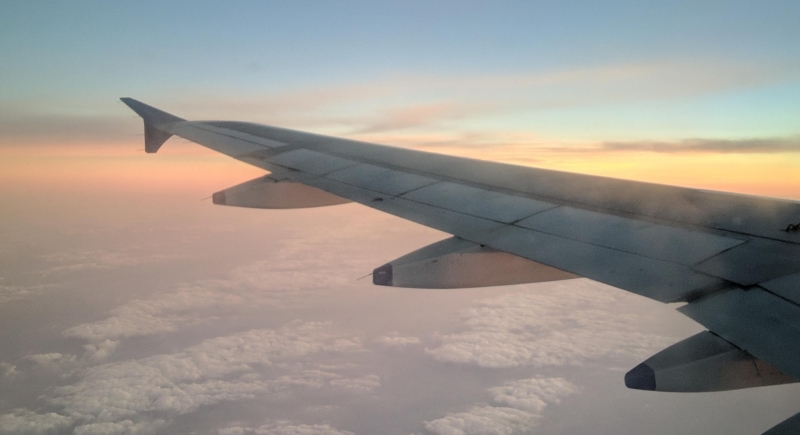
Image via Pixabay/fahadputhawala
Airlines also design routes around demand. The Arctic lies between some of the busiest travel markets on Earth while generating constant flows of passengers and cargo.
Antarctica has no cities, no permanent commercial population, and no origin or destination demand for routine air travel. Even flights between southern cities such as Sydney, Cape Town, Santiago, or Auckland typically gain little or no benefit from crossing the continent. Higher operational risk, regulatory constraints, and limited emergency options would outweigh any marginal distance savings.
Some southern routes do travel far south over the ocean when winds are favorable. On rare occasions, passengers may catch distant views of Antarctica from cruising altitude. That is generally as close as routine airline operations come.
The Environment Is Far Less Forgiving
Both polar regions are cold, but Antarctica is in a different category. It is the coldest, windiest, and highest continent on Earth by average elevation. Temperatures can fall below -60 degrees Celsius, and weather forecasting is more difficult due to the scarcity of observation stations.
Powerful katabatic winds, long periods of winter darkness, and frequent whiteout conditions add layers of uncertainty. If an emergency landing were required, rescue operations would likely be slower, more complex, and more dangerous than in the Arctic, which benefits from nearby nations and established search-and-rescue infrastructure.
Airlines tend to avoid situations where multiple risks overlap. Antarctica presents too many variables at once to make routine overflight attractive.
History Pushed Aviation North, Not South
During the Cold War, military planners focused heavily on Arctic navigation because the shortest routes between major powers passed over the North Pole. This led to investments in mapping, navigation systems, weather data, communications, and airport infrastructure.
Commercial aviation later benefited from this groundwork. While limited polar flights occurred earlier, transarctic routes became routine only when long-range aircraft, improved navigation, and modern safety regulations made them scalable and reliable. By the late 20th century, flying over the Arctic had become a normal part of long-haul airline operations.
Antarctica never experienced a similar push. With no strategic pressure and no commercial incentive, it remained outside the development path of mainstream airline networks.
Flights Go Near Antarctica, Just Not Across It
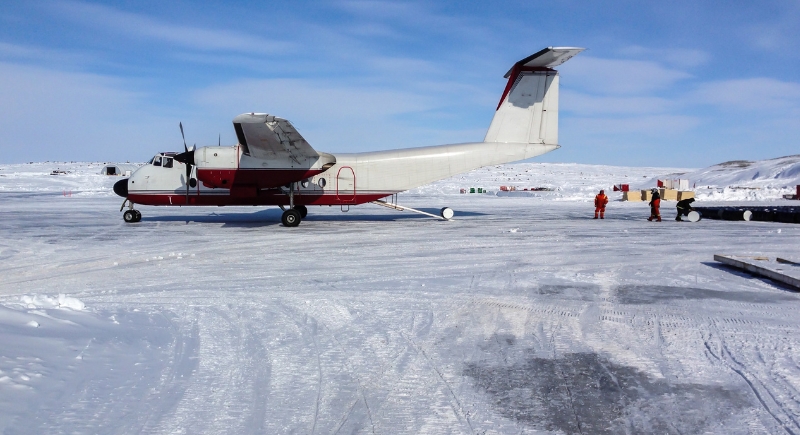
Image via Getty Images/Heavily Meditated
Airlines do not completely ignore the southern extremes. Certain long-haul flights between Australia, New Zealand, and South America sometimes track far south when winds make it efficient to do so. These routes remain over the ocean, within range of approved diversion airports, and outside the most hostile conditions over the Antarctic interior.
Specialized flights do operate to Antarctica, but they serve research stations, logistics missions, or tightly controlled tourism. They are carefully planned and fundamentally different from everyday airline service.