Why Planes Are Suddenly Shaking Entire Neighborhoods in Portland
Aircraft noise complaints in Portland increased in late September, with the Port logging at least 540 reports in a single week, following a late September announcement tied to federal security reasons. That total exceeded the combined number of complaints filed during the prior two months.
Residents across multiple neighborhoods reported shaking homes, disrupted sleep, distressed pets, and heightened anxiety. They described low-flying helicopters, strobing lights, and persistent circling, particularly near South Portland. The timing of the spike, paired with increased military and federal aircraft activity, left many people wondering why the noise suddenly crossed a line.
Why Routine Flights Suddenly Sound Aggressive

Image via Canva/Africa Image
Not every loud aircraft event connects to federal action, because atmospheric conditions play a major role in how sound travels. Clear skies, dry air, cold temperatures, and specific wind patterns allow noise to carry farther and hit harder at ground level. Aircraft can sound closer and louder even when flight activity stays routine.
Military jets are also another aspect of this noise aggression. Oregon Air National Guard flights operate regularly, and visiting aircraft such as Navy Blue Angels F-18s also use Portland International Airport. Certain maneuvers, including unrestricted fighter jet climbs, generate sharp bursts of sound that cut through neighborhoods unused to hearing them at full force.
When Federal Aircraft Enter the Picture
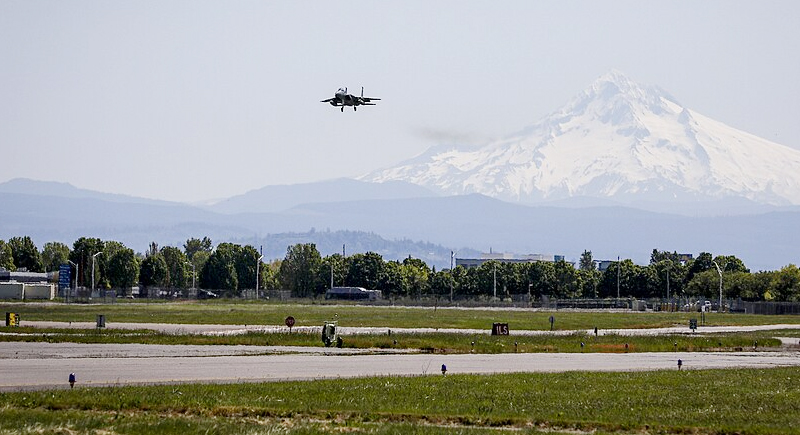
Image via Wikimedia Commons/Chief, National Guard Bureau
Helicopters tied to federal operations disrupted things entirely. Residents near the ICE facility reported sustained circling and low-altitude hovering, often late at night. Several complaints noted that these aircraft failed to appear in public flight-tracking systems that rely on ADS-B signals.
Some Homeland Security helicopters have shown partial tracking data, taking off near Hillsboro and then losing signal near the ICE building. ADS-B signals can legally switch off during specific sensitive missions. The FAA declined to make a detailed comment during the federal shutdown.
Military helicopters flying without ADS-B raise collision concerns, especially after a January crash near Washington, D.C., involving a Black Hawk helicopter operating with its signal disabled. Lawmakers have since pushed bipartisan efforts to limit those exemptions.
Why Local Leaders Are Pushing Back
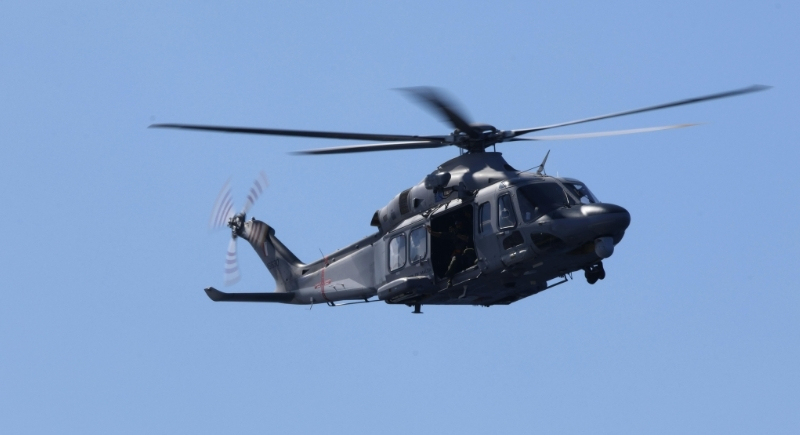
Image via pexels/Andrew Cutajar
City councilors representing South Portland labeled the helicopter presence intimidating and unnecessary. Some argued that constant overhead activity reinforced claims that Portland faced extraordinary danger, despite most protests remaining small and uneventful.
Members of Oregon’s congressional delegation repeated that concern, formally asking the Department of Homeland Security to justify the helicopter use and explain steps taken to reduce harm to residents. Local officials also emphasized an important frustration: Portland lacks authority over federal aircraft, and the Port can log complaints and notify the FAA, yet control stops there.
The Role of Airspace Restrictions
The FAA added another aspect by issuing a month-long restriction on non-governmental aircraft and drones flying at low altitude above the ICE building. The order allows national defense and law enforcement flights while blocking others below 400 feet. Commercial air traffic continues unaffected, and police aircraft operate above the restricted zone. A similar restriction also appeared above Camp Withycombe, where out-of-state National Guard members remain stationed while courts review deployment orders.