Why Nice and the Côte d’Azur Have Become Popular Destinations for Americans
Americans now account for a growing share of tourism and real estate activity on the Côte d’Azur, and the numbers continue to rise each year. Direct flight expansions, hotel investments, and shifting traveler behavior all play a role, but the pattern extends beyond seasonal interest. Statistics indicate a sustained pull toward Nice and the surrounding coastline, and the reasons behind this trend reveal a shift that has reshaped how Americans choose their European getaways.
A Region That Fits Modern Travel Habits
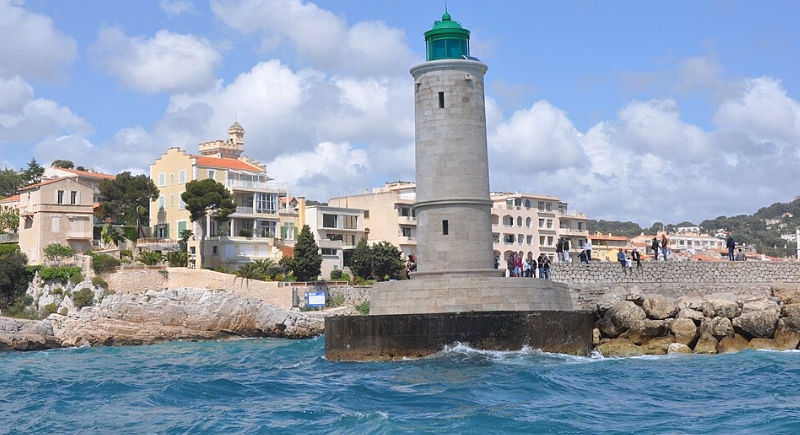
Image via Wikimedia Commons/Panoramio upload bot
Nice and the Côte d’Azur align with how Americans like to explore. People want culture, but they also want convenience. The region delivers both. Nice Côte d’Azur Airport reported a 40 percent increase in passenger traffic between the Riviera and the United States in 2024, supported by new direct flights from cities such as New York, Philadelphia, and Atlanta, with a Washington, D.C. route added in 2025.
Tourism data recorded 620,000 hotel stays by Americans in 2024, a 10 percent increase compared to 2019. This growth placed United States travelers ahead of visitors from several European countries for the first time. Once travelers land, the layout of the Riviera feels efficient. Cities are often situated close to one another, and trains frequently complete trips in an hour or less. Hopping between Nice, Cannes, Antibes, Monaco, and even nearby Italian towns is easy.
Culture With Texture And History
Americans have long been drawn to the Riviera’s artistic legacy, but recent years have sparked a fresh interest in how the region connects daily life to centuries of craftsmanship. Nice’s Old Town showcases this blend through its facades, painted with clever illusions dating back to the French Revolution, when a tax on windows led residents to create fake ones. The museums dedicated to Chagall and Matisse add another layer by giving travelers clear links between the city and the artists who worked there.
Visitors seeking hands-on cultural experiences now have more options tailored to their interests. Cooking classes in English fill up quickly, especially those featuring traditional dishes such as farcis niçois. Shopping for soaps made with olive oil in Marseille or browsing small makers who create seasonal santon figurines gives people a sense of connection that goes beyond sightseeing.
Scenery That Shapes The Experience
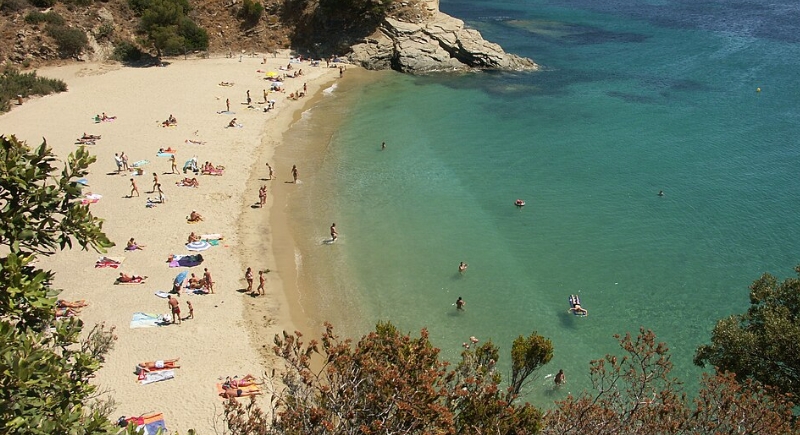
Image via Wikimedia Commons/Dronepicr
The coastline’s appeal goes beyond beach culture. Travelers like treating the Riviera as a scenic corridor. Vintage car rentals, including classic models like the Mercedes 280 SL, allow visitors to travel between cities at a slower pace. Provence adds a unique dimension with its lavender fields, which peak in June and July and draw travelers who plan their trips around the brief bloom window.
Local hospitality leaders have quickly adapted to the rising demand from Americans. The opening of upscale hotels such as the Victoria and the Hôtel du Couvent near Nice has widened the range of luxury stays.
Real Estate Curiosity Turns Into Commitment
Tourism has triggered another shift. Interest in living part-time in the region has climbed, especially in Nice. Local real estate agencies report that as many as one in two sales in parts of the city involve American buyers. Many of these buyers fall into the over-50 age group, prefer Belle Époque-style properties priced between €400,000 and €800,000, and prioritize walkability. Some cite political stability in France as an added incentive, which has surprised even seasoned agents.
The rise in American residents extends into Monaco at a slower pace. Official statistics counted 449 American residents in 2023, compared to 366 in 2016. Growth is steady, though banking rules tied to United States citizenship and compliance requirements limit how quickly that number climbs, leading many to settle in nearby French towns instead.