Why ‘Hushpitality’ Is the New Travel Trend Rich People Are Obsessed With
Luxury travel is shifting away from excess and toward restraint, as evidenced by travel data that reveals a clear behavioral change. A majority of travelers now prioritize rest over activities, longer stays over packed itineraries, and fewer destinations over constant movement. Wealthy travelers are leading this change. Their spending patterns show growing demand for low-capacity stays, reduced connectivity, and environments designed to limit stimulation.
Silence Is the New Flex
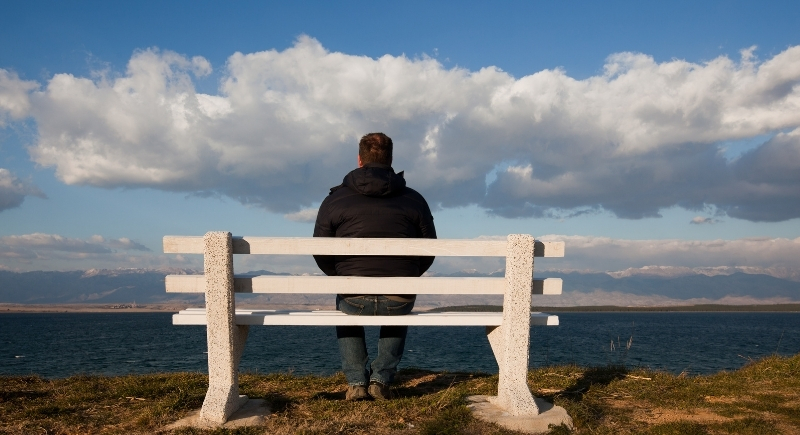
Image via Getty Images/mayo5
Recent travel data shows rest has climbed to the top of the priority list. A 2026 travel outlook published by Hilton found that 56 percent of travelers plan trips mainly to rest and recharge. High-income travelers no longer chase stimulation; they chase relief. ‘Hushpitality’ taps directly into that mindset. It treats silence as a resource worth protecting.
Slow Travel Made the Case First
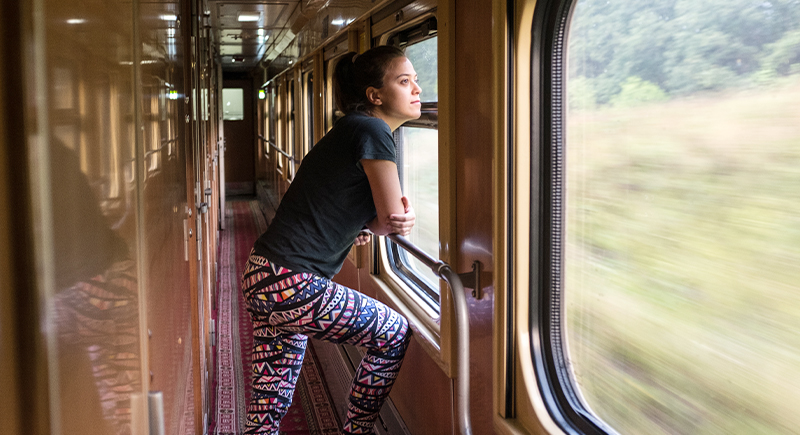
Image via iStockphoto/Alpgiray Kelem
The groundwork for ‘hushpitality’ appeared earlier through slow travel. Operators like Belmond have noticed that guests are traveling less often but staying longer, especially on rail journeys and heritage routes. After its acquisition by LVMH, Belmond expanded its train routes and redesigned hotels to create a residential feel rather than a formal one. The approach proved that quiet sells when it feels intentional. ‘Hushpitality’ pushes that logic further. It strips away background noise entirely and treats stillness as part of the product.
Why Rich Travelers Care More Than Anyone
Affluent travelers face a unique problem. Their lives run loud as meetings stack and notifications never stop. Travel often mirrors that chaos through packed itineraries and constant motion. Silence offers a reset they cannot replicate at home. Places marketed around quiet tend to limit capacity, restrict technology, and reduce visual clutter.
Some locations enforce sound rules or discourage phone use entirely. Destinations like Haleakala Crater attract attention for their extreme quiet, although cultural sensitivity now plays a bigger role in how these spaces get discussed. High-end lodges have responded by designing experiences around absence rather than abundance. At properties such as JW Marriott Masai Mara Lodge, limited connectivity and wide-open horizons form the core appeal.