
Look for the wind breaks, rock piles, and meltwater edges that let tiny, isolated habitats hang on in glacial valleys.
The sunny side isn't just warmer, it's different
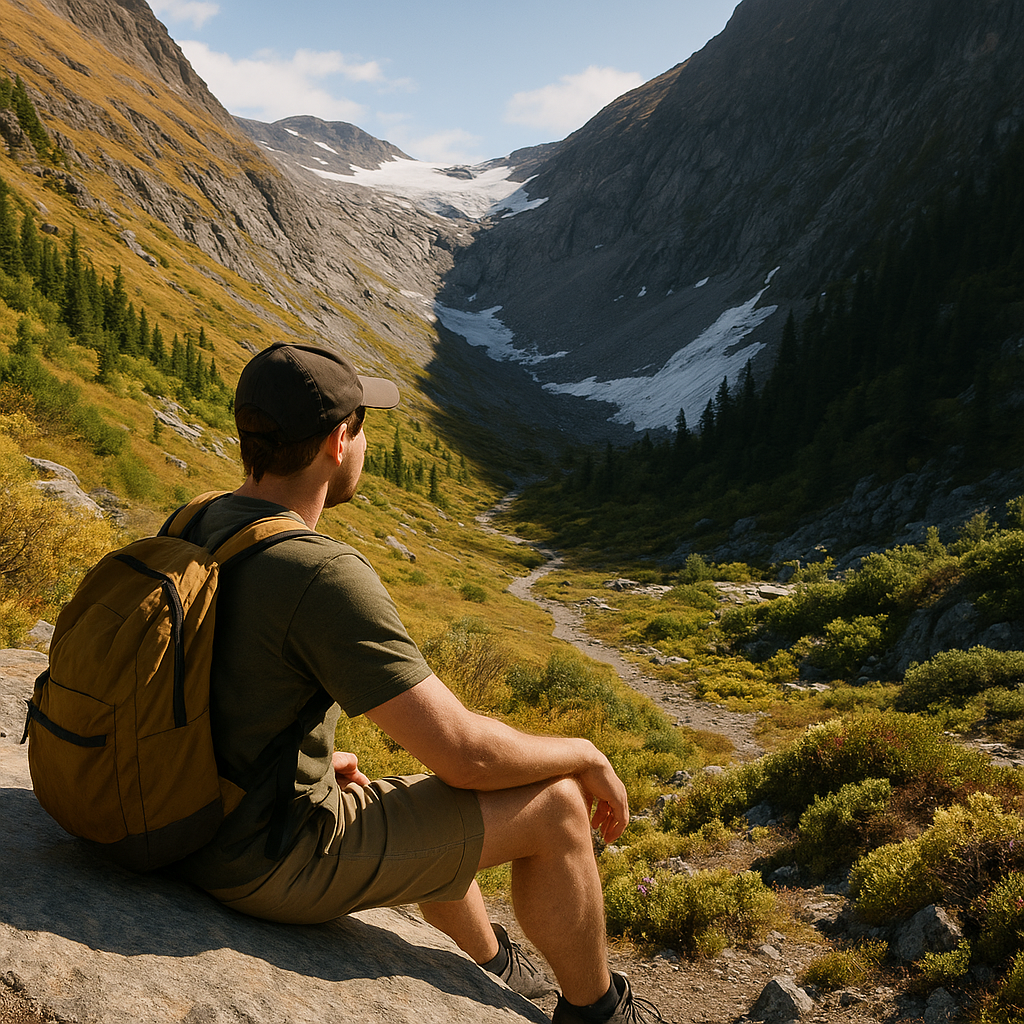
If you want to understand how a glacial valley can act like a set of tiny islands for plants and critters, stop thinking in terms of the whole valley and start thinking in terms of aspects. In the Northern Hemisphere, the south-facing wall gets hammered by sun for more of the day. The north-facing wall (and the shady nooks under it) can hang onto snow patches and damp soil long after the trail has gone dusty. I learned to pay attention to this the lazy way: taking a break on a warm boulder, then stepping ten feet into shade and feeling my sweat turn cold. That temperature flip matters when you're a moss mat, a salamander, or a patch of alpine flowers trying to bloom in a short window.
On a hike I do every summer, the difference shows up in the smell before it shows up visually. The sunny side has that dry, resin-y scent where the ground crunches and the shrubs stay low. Cross to the other side and it turns earthy, even a little metallic near seep lines, because the moisture sticks around. The plants change accordingly. The damp side is where I keep spotting tight cushions of moss and tiny flowers tucked into cracks, and the drier side is where the tough, sun-battered stuff wins. Same elevation, same day, two different rulebooks.
That split creates isolation without any ocean involved. A cool, wet pocket in a steep, shaded corner can hold onto species that don't do well elsewhere in the valley, while the sunlit slopes favor a different crew entirely. If you're trying to read the place like a field notebook, it helps to take a simple approach: pick a landmark on the valley floor, then look up and compare the vegetation line-by-line on both walls. You'll see the habitat boundaries like someone drew them with a pencil, except it's all temperature, snow linger, and wind doing the drawing.
Rock piles as windbreaks: the microclimate nobody advertises
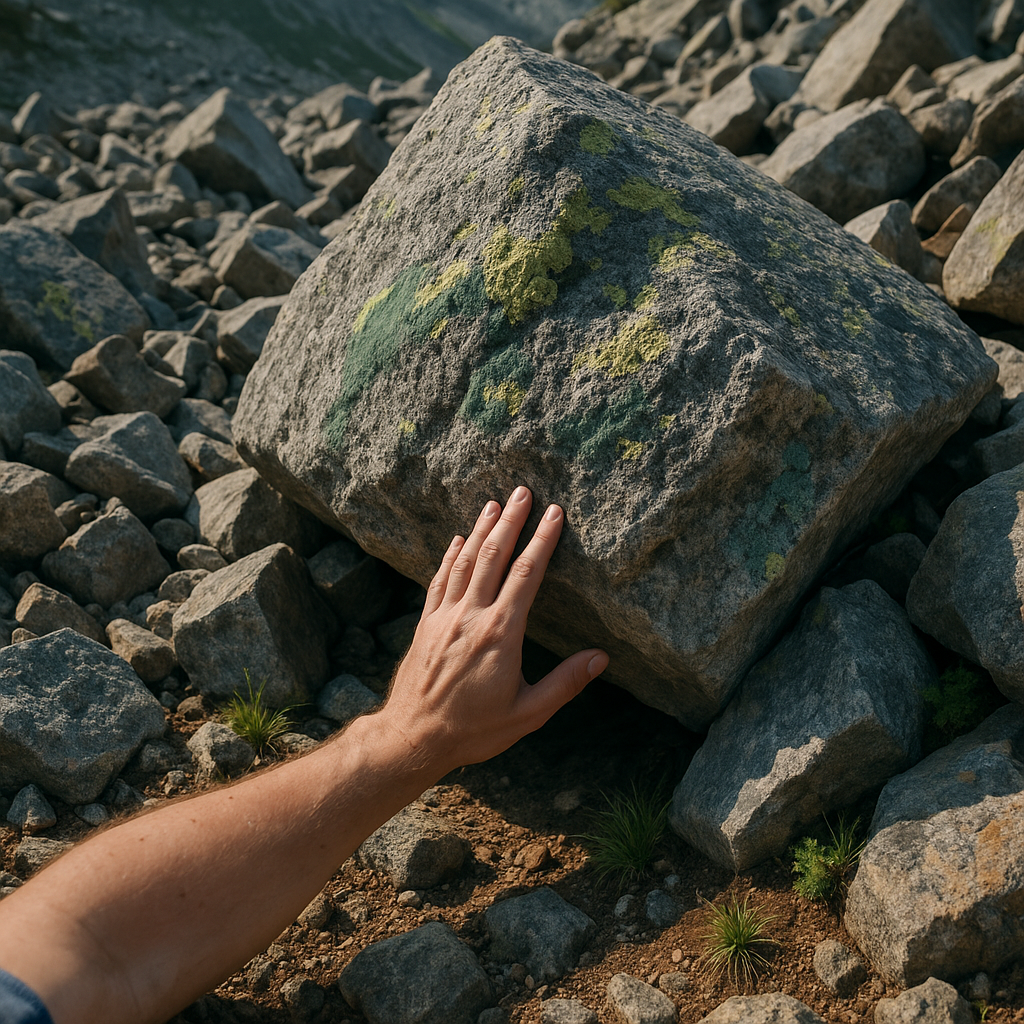
Talus slopes and moraines are the parts of a glacial valley most people photograph and then hurry past because, from a distance, they look like a heap of gray problem. Up close, they're a whole architecture of shelter. I don't mean metaphorically. Those jumbled rocks block wind, trap warmth in the afternoon, and hide pockets of moisture that never see direct sun. Put your hand near the base of a rock pile on a hot day and you'll feel cool air leaking out of gaps like the place is breathing. It's not magic, it's airflow and shade, but it creates a livable little zone for things that would fry out on the open valley floor.
When I'm walking through one of these boulder fields, I slow down and watch for the telltales: bright green lichen that looks almost painted on, little tufts of grass wedged where grit has collected, and (my favorite) the sudden rasping sound of a pika scolding you from somewhere you can't quite locate. Pikas are a great example of isolation-by-terrain. They don't want to cross big stretches of exposed ground, and they don't have to. A talus patch is its own neighborhood, with food storage tucked into crevices and quick escape routes built into the rock. That patch can be separated from the next talus patch by nothing more dramatic than a strip of meadow, and it still functions like a boundary.
These rock piles also create sharp edges that small life can cling to. You'll often get a thin band where the moraine meets a wet swale or a meltwater trickle. The plants in that seam are different from both the dry rocks above and the open grass below, because they get drainage plus shelter. When people talk about glacial valleys being harsh, this is the nuance that gets missed. The harshness is exactly why the protected spots matter so much, and why they end up acting like separate islands. If you want a practical field trick, pick one boulder the size of a cooler and circle it slowly, staying a foot away. You'll notice at least three mini-zones: the sun-baked face, the shaded face with higher moisture, and the debris line at the base where soil starts pretending it's soil again.
Meltwater edges: where the valley redraws itself daily
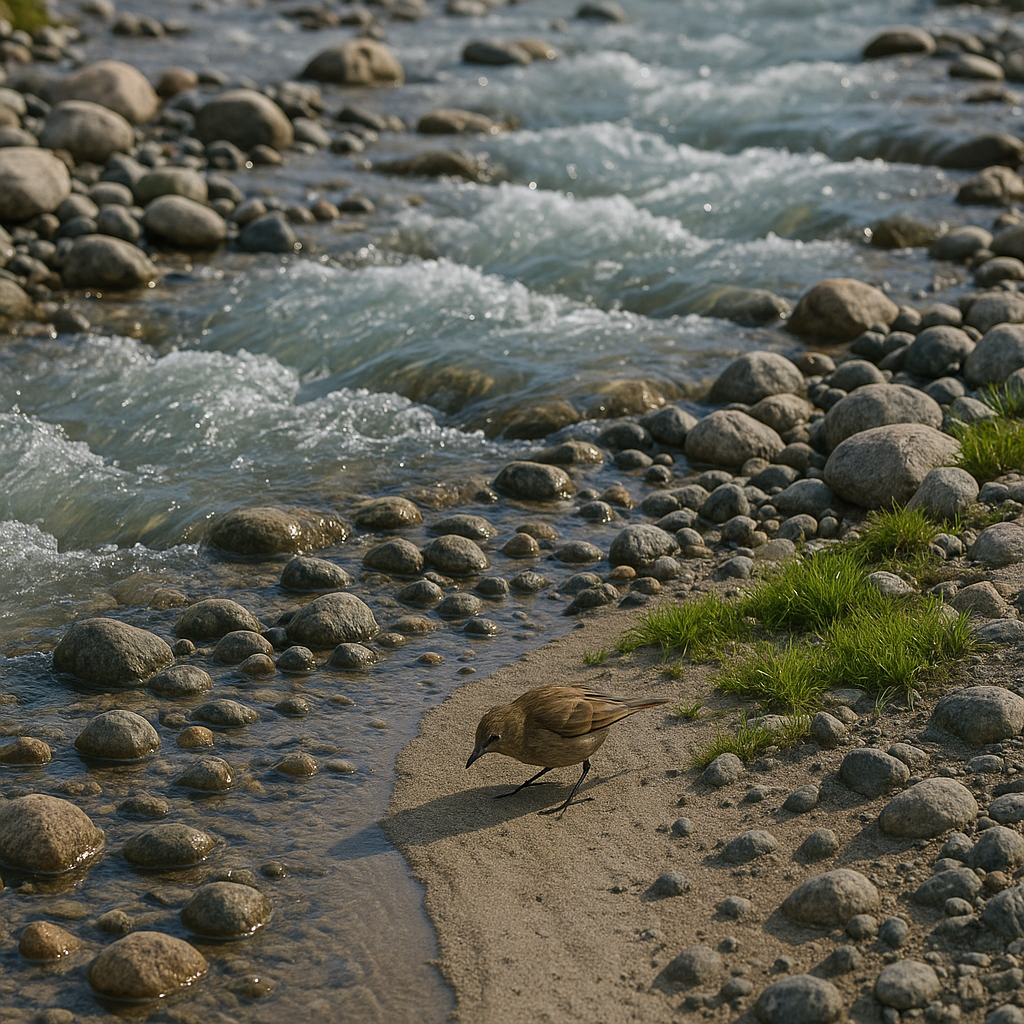
Glacial valleys don't just have water, they have water that changes its mind all day. Morning can feel locked up and quiet, then by late afternoon the melt picks up and suddenly every little channel is louder, wider, and colder. That daily pulse creates habitats that are narrow, temporary, and weirdly crowded. I've watched birds work the edges like they're at a buffet, hopping between stones to grab insects that have no choice but to congregate where damp ground meets dry. You don't need binoculars to notice it. Just stand still near a braided stream and look at the boundary line where the wet sand turns lighter. That's where the action is.
For isolated habitats, these meltwater margins do two things at once. They connect and they cut off. A ribbon of water can be a corridor for moisture-loving plants and insects, but it can also be a barrier for small mammals that don't want to cross open, slick gravel with nowhere to hide. Even within the water itself, the microhabitats split fast: shallow sunlit edges warm up a bit and grow algae; deeper threads stay icy and fast, and nothing hangs out there unless it's built for it. I've dipped my fingers in both within the same stream braid and it feels like two separate systems. The shallow edge is merely cold. The deeper channel bites.
What makes it feel like its own world is how quickly the valley floor reorganizes around that water. Little sand bars appear, then disappear. Logs shift. New silt gets laid down in a fan after a thunderstorm upstream. The plants that manage to live here often look scrappy because they are, but they're also specialized. If you want to spot the isolation effect with your own eyes, look for small patches of bright green right next to gray gravel, then trace that green upstream until it peters out. You'll usually find a tiny seep or a persistent trickle coming off a snow patch. It's a straight-line dependency: no seep, no strip of life. And because those seeps are scattered, the habitats are scattered too, like someone dropped them in with a shaky hand.