Why Changi Airport is a High-Tech Wonderland That Makes Other Hubs Look Like History
Most of us know the drill at a major airport: the frantic search for a passport, the long, winding security lines, and the low-level hum of stress that follows you to the gate. But walking into Singapore’s Changi Airport feels like stepping into a different version of the future.
Everything moves more smoothly here. Signs are easy to follow, lines don’t drag on, and you’re not constantly second-guessing where to go next. The technology is there, but it stays in the background, quietly making the whole process feel easier from the moment you walk in.
Technology That Works Without Getting in the Way
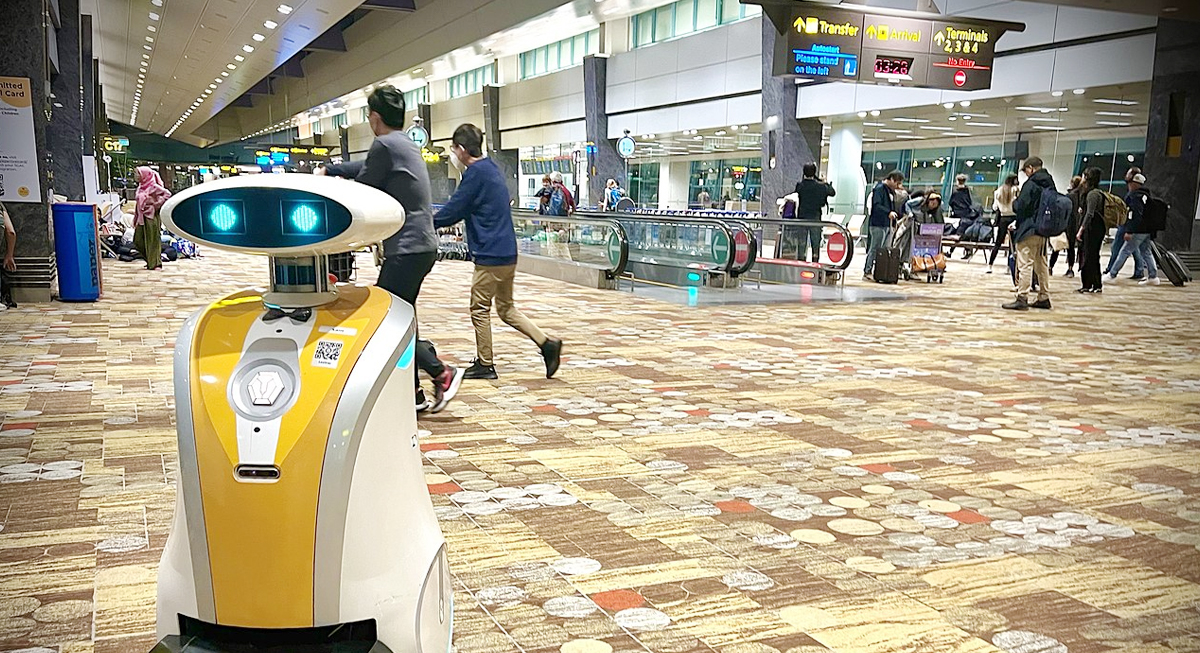
Image via Wikimedia Commons/Sharon Hahn Darlin
At Changi Airport, a lot of the usual steps feel less demanding. The airport has been rolling out biometric and automated clearance systems over time, so you can move through immigration and boarding using facial recognition instead of repeated document checks.
It keeps things moving without the usual stop-and-start. Under efficient conditions, arrivals can take under 15 minutes, though that still depends on traffic and security checks.
Behind the scenes, systems track movement across the airport to keep things running smoothly. Sensors and automated tools flag when areas need cleaning or maintenance, so staff can respond quickly. Most of it stays out of sight, but it helps keep the overall experience steady and predictable.
A Layout That Reduces Stress Without Slowing Anything Down
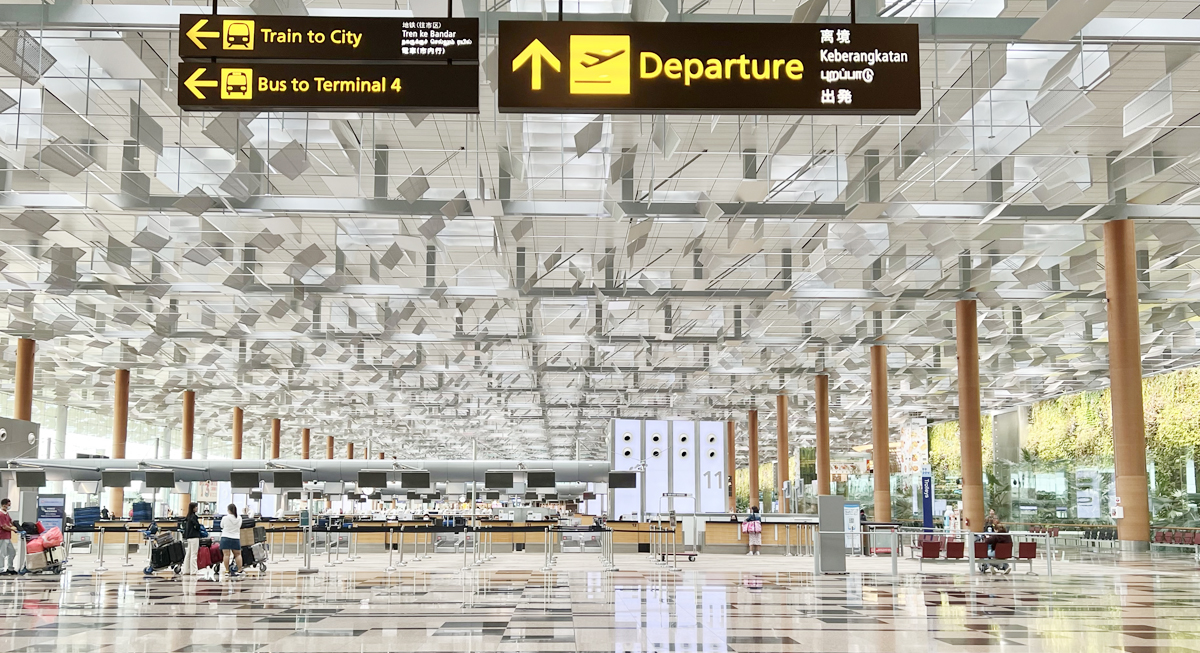
Image via Wikimedia Commons/Sharon Hahn Darlin
Most airports feel cramped, with tight corridors and crowds building up in the same spots. Changi Airport is built differently. It covers a huge area, but the space is used to spread people out, so it doesn’t feel overwhelming as you move through it.
Key areas are placed in a way that keeps traffic flowing instead of piling up in one place, unlike busier hubs such as Heathrow Airport or Los Angeles International Airport. Clear signage helps you stay on track, and the skytrain along with pedestrian bridges makes moving between terminals feel quick and straightforward.
More Than a Place to Pass Through
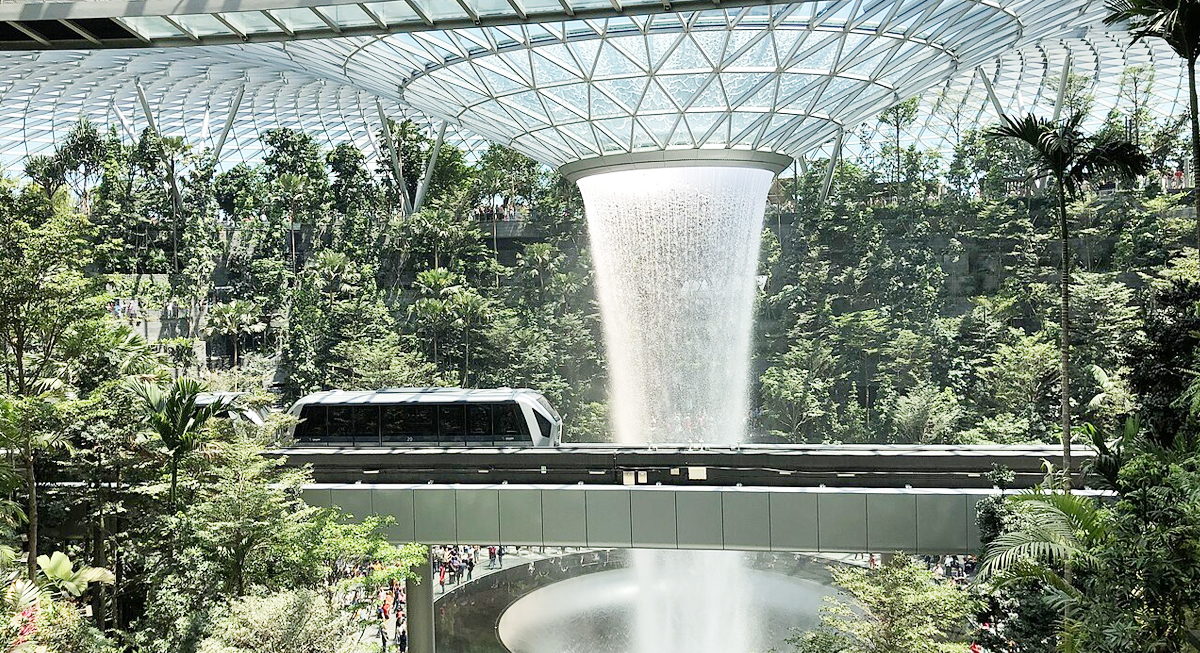
Image via Wikimedia Commons/Bennv3771
It is impossible to talk about Changi without mentioning Jewel, the massive glass dome that connects three of the terminals. The Rain Vortex circulates large volumes of water through a recirculating system, creating the world’s tallest indoor waterfall at around 40 meters. By giving travelers a reason to linger in beautiful, open spaces, Changi reduces boarding gate density.
With a rooftop swimming pool, a 24-hour cinema, and butterfly gardens, a six-hour layover stops being a chore and becomes a trip highlight. These are functional parts of a system designed to make human movement feel natural and relaxed.
Why It Stays Ahead Year After Year
Consistency is what separates Changi from its peers. In 2026, the airport once again took the top spot at the Skytrax World Airport Awards, a title it has held more than a dozen times. This isn’t an accident.
While other cities try to “bolt on” new technology to 50-year-old buildings, Singapore builds with a long-term vision. They prioritize the fundamentals, cleanliness, speed, and reliability, and then layer the “wonderland” features on top.