Whidbey Island’s Secret Gateway to Orca Sightings and Dramatic Bluffs Actually Has a Land Bridge
By late spring, the ferry terminal in Mukilteo starts filling up before the day even begins. Families pack snacks and beach gear into their cars, cyclists roll toward the loading lanes, and weekend travelers head for Whidbey Island, hoping to enjoy the slower pace of Puget Sound. Many visitors stop in the island’s small waterfront towns for seafood, coffee, or shopping, but some continue farther north, where the scenery becomes wilder and far more dramatic.
That drive eventually leads to Oak Harbor, near Deception Pass State Park and the famous bridge connecting Whidbey Island to Fidalgo Island. The narrow land route feels almost hidden compared to the busy ferry crossings farther south. Towering bluffs, dense forest, rocky shoreline, and open water all come together here, and on lucky days, visitors can even spot orcas moving through the pass below.
The Bridge That Makes Whidbey Easy to Reach
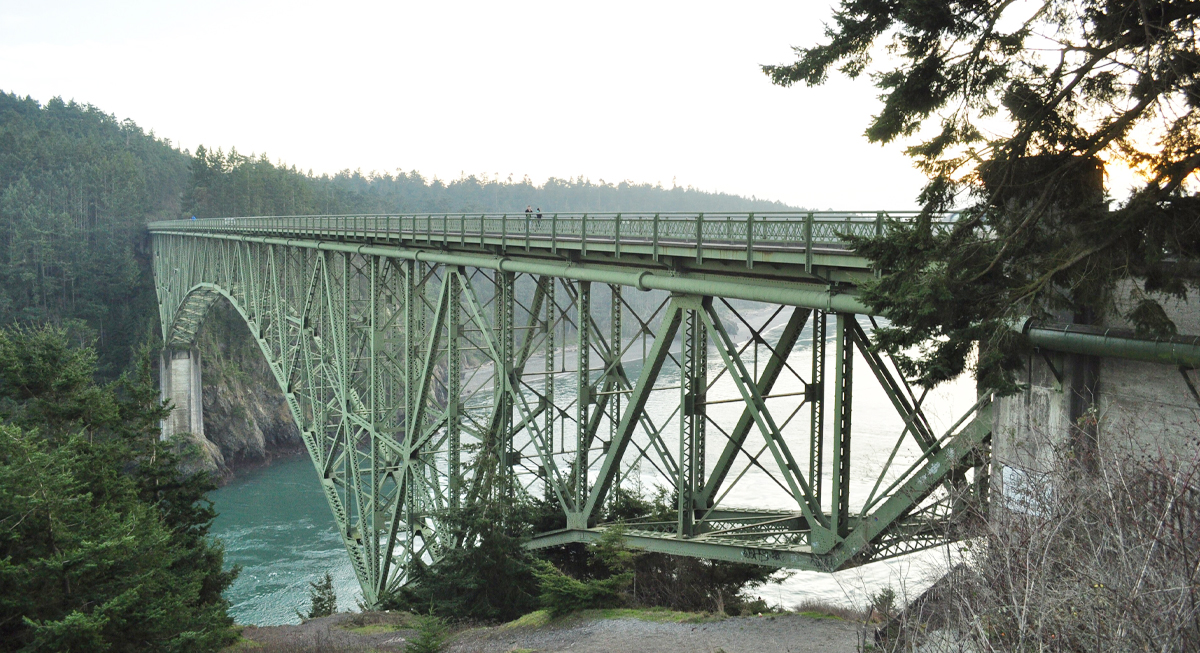
Image via Wikimedia Commons/Joe Mabel
Many island trips involve ferry schedules, traffic backups, and long waits at docks. Whidbey Island breaks that pattern thanks to Deception Pass Bridge. The steel span connects Whidbey Island and Fidalgo Island through a narrow channel surrounded by cliffs and fast-moving water.
Drivers heading north out of Seattle can reach Oak Harbor in about 2 hours via Interstate 5 and Highway 20. Another option uses the Mukilteo-Clinton ferry near the island’s southern end, though many travelers prefer the bridge route because it cuts travel time and offers a dramatic entrance to the island.
As the bridge comes into view, drivers slow as the road crosses over the water below. On clear days, Puget Sound and the Olympic Mountains are visible in the distance, marking a clear shift from the highway drive.
Oak Harbor Holds Some of the Island’s Best Views
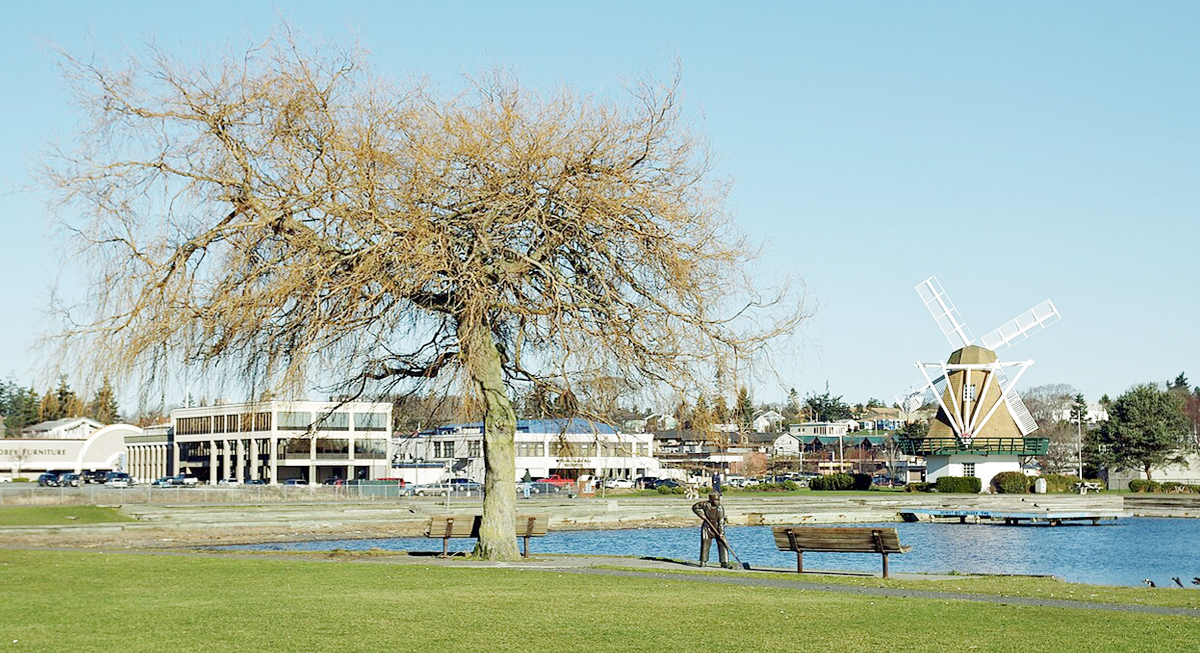
Image via Wikimedia Commons/kallerna
Coupeville and Langley usually collect the travel headlines across Whidbey Island, yet Oak Harbor holds several advantages that travelers miss. The city is close to Deception Pass State Park, which gives visitors quick access to wooded trails, beaches, and bluff overlooks without long drives across the island. West Beach County Park has become a favorite sunset stop thanks to wide-open shoreline views and lighter crowds than many waterfront parks closer to Seattle.
Dugualla State Park is even quieter, and reaching the beach requires a steep downhill hike, which naturally keeps visitor numbers lower. Joseph Whidbey State Park offers another option near West Beach, with shoreline access and hiking trails through forested areas.
Windjammer Park sits directly along Oak Harbor’s waterfront and mixes beach access with baseball fields, walking paths, and a splash pad during the summer months. A short walk away, Flintstone Park draws curious travelers looking for the replica Flintstone car parked near the water.
Orca Sightings Keep Outdoor Fans Watching the Water
Whidbey Island’s northern coastline is near several marine routes used by whales traveling through Puget Sound. Deception Pass and nearby coastal stretches have become popular viewing points during migration periods, especially spring and early summer.
Orca sightings are never guaranteed, though locals and returning visitors still carry binoculars anyway. Gray whales also pass through the Saratoga Passage during certain times of the year. Bald eagles, otters, and shorebirds regularly appear near beaches and bluff trails.
Kayaking has grown popular around Langley and other calmer shoreline areas farther south, though many travelers remain planted along beaches, hoping for movement across the water. Even long stretches without whale activity still offer dramatic scenery and constant wildlife overhead.
Summer brings the best chance for dry weather, though it also brings ferry traffic and crowded trailheads. July and August usually see temperatures pushing into the upper 70s and low 80s.
Spring and early fall tend to hit the sweet spot. Temperatures are comfortable, daylight lasts longer, and beaches feel calmer during weekdays. Travelers visiting during late March through early June also have stronger odds for whale sightings near Saratoga Passage.