10 Places Where the Sun Never Sets in Summer
In some parts of the world, summer passes without real night. Because of their position on the globe, the sun stays above the horizon for weeks at a time. Daily routines adjust in simple, practical ways. People work longer hours, manage sleep indoors, and stop relying on darkness to mark the day. These ten places show how continuous daylight shapes everyday life.
Tromsø, Norway
Credit: pexels
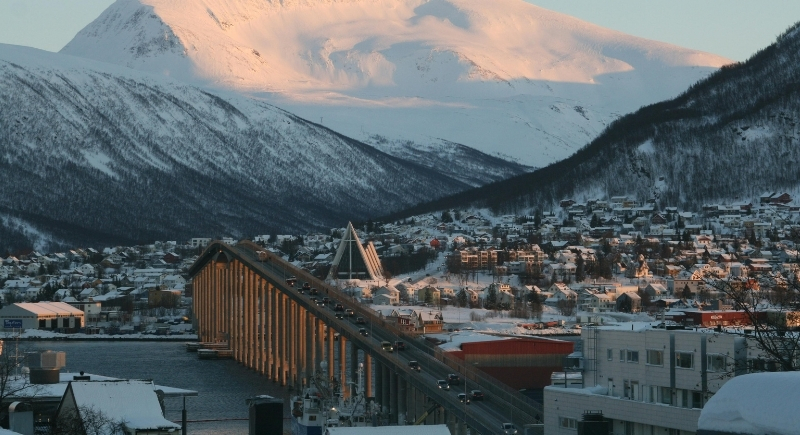
Between late May and late July, the sun stays visible around the clock in Tromsø. Restaurants, cafes, and public transit continue operating late into the night because there is no natural signal to wind down. Instead of adjusting hours formally, the city lets routines stretch, which gradually shifts when people eat, meet, and rest.
Svalbard, Norway
Credit: Canva
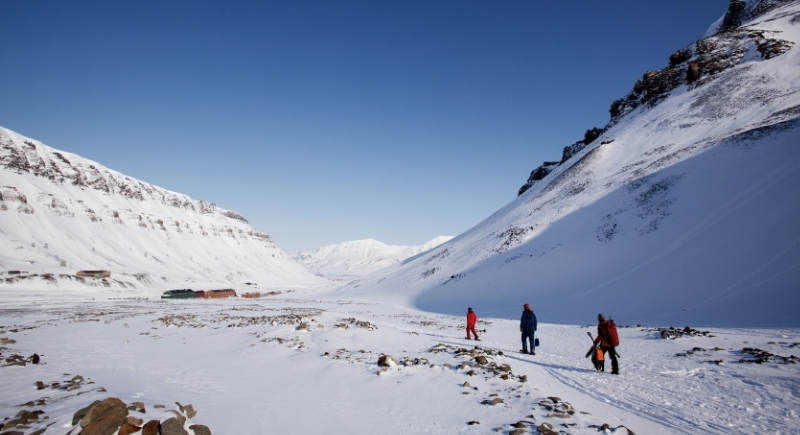
Sleep becomes a deliberate choice here since there’s no sunset for months. Residents block out windows and follow routines rather than light cues. From April through August, the sun circles overhead without setting.
Nuuk, Greenland
Credit: Canva
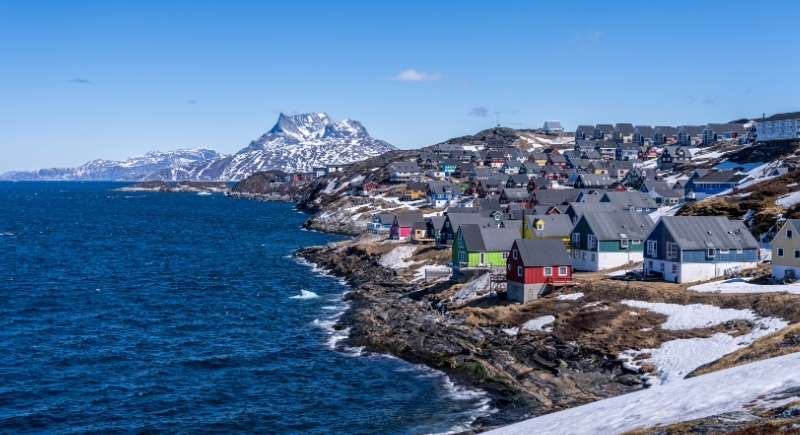
In summer, the sun in Nuuk stays above the horizon, circling low instead of setting. From late May through July, people stay outside longer without watching the clock. Fishing trips wrap up when the work is done, not when daylight runs out. The light shifts slowly, changing the rhythm of the day without calling attention to itself.
Utqiaġvik, Alaska
Credit: Wikimedia Commons
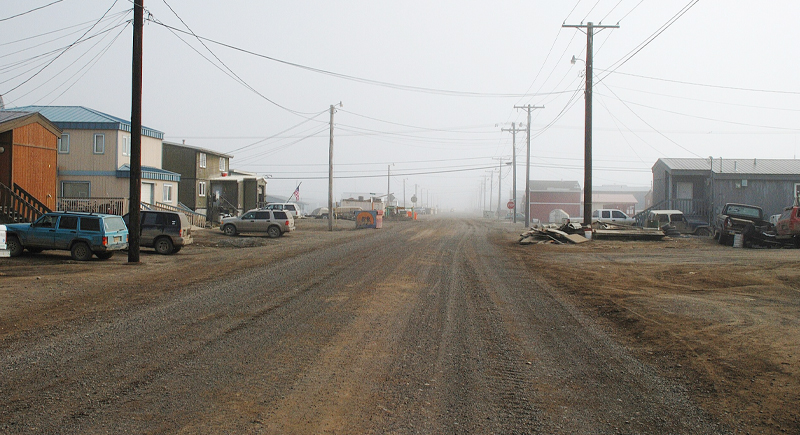
Utqiaġvik, Alaska, enters continuous daylight in mid-May, and the change is immediate. Fishing, travel, and outdoor gatherings extend because visibility stays constant. The first full day with the sun above the horizon is recognized locally as a practical turning point after months of limited light.
Akureyri, Iceland
Credit: Getty Images
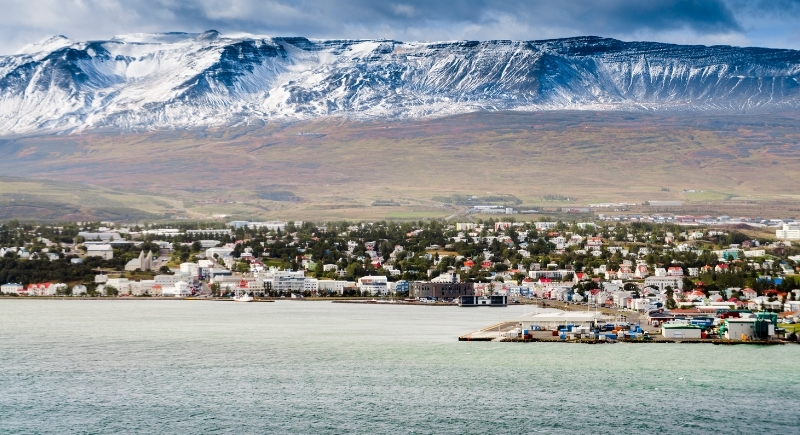
In June and early July, darkness never fully arrives, which leaves the fjord and surrounding mountains visible through the night. Gardening, walking, and late café visits happen as usual. Over time, the constant visibility stops feeling novel and becomes part of how evenings function.
Murmansk, Russia

Credit: Getty Images
Murmansk keeps standard business hours throughout the summer, even as daylight continues uninterrupted. From late May through July, offices, ports, and public services follow normal schedules. Fishing along the bay and daily commutes happen in full sun. The city treats nonstop light as a practical condition, not something that reshapes routine or demands special accommodation.
Ilulissat, Greenland
Credit: Getty Images
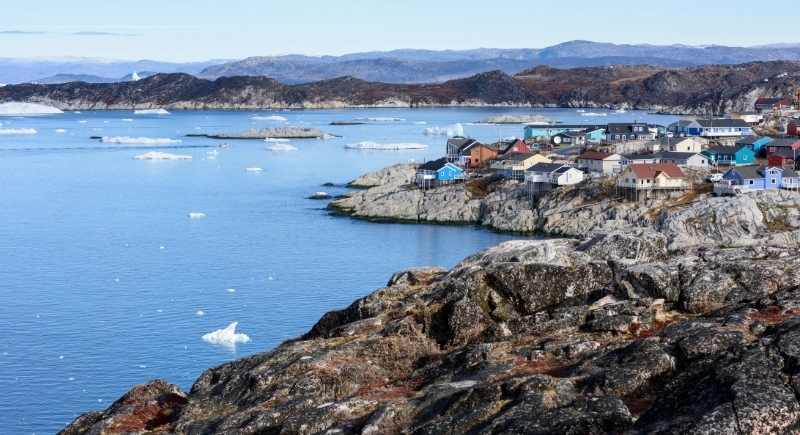
In Ilulissat, summer light remains steady from late May until July, illuminating icebergs drifting through the nearby icefjord at all hours. The constant visibility changes how water movement is timed. Fishing boats leave and return without darkness as a reference, relying instead on tides, meals, and weather patterns.
Nunavut, Canada
Credit: Getty Images
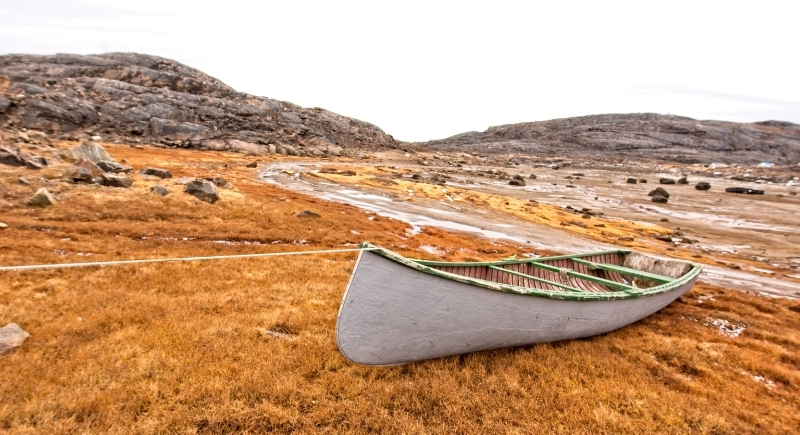
Large parts of Nunavut above the Arctic Circle experience uninterrupted sunlight from early May into August. In communities such as Arctic Bay, workdays and outdoor activities extend late without artificial lighting. Farther south, including Iqaluit, nights remain very bright in summer even though the sun briefly sets.
Northern Sweden
Credit: Getty Images
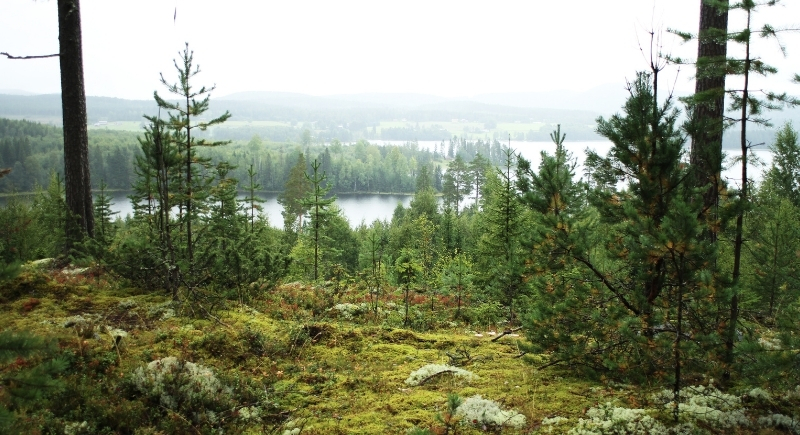
In northern Sweden above the Arctic Circle, the sun remains above the horizon for weeks in summer. Outdoor activities such as fishing and late-night golf continue without reference to sunset. Sleep shifts indoors behind curtains, while daily schedules change little despite the constant daylight.
Antarctic Peninsula
Credit: Getty Images
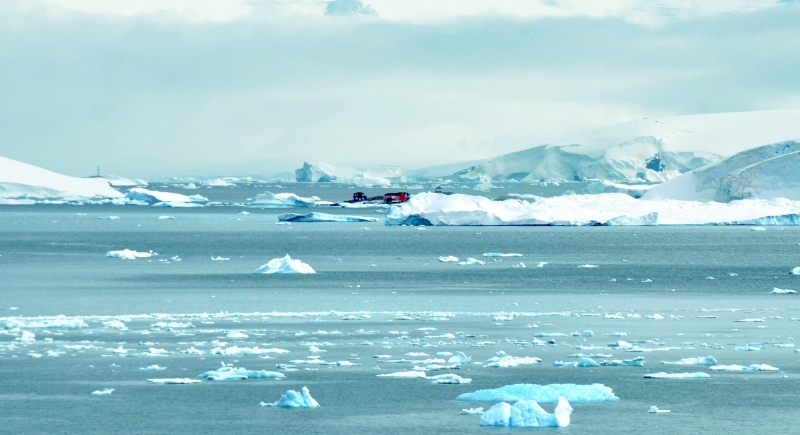
There are no cities on the Antarctic Peninsula that adjust to daylight. During the southern summer, from October to February, the sun remains visible continuously. Research teams plan work around weather and ice conditions, not clocks. Snow and sea reflect light evenly, removing the usual signals that separate night from day.