10 Places Where Solo Hiking Can Turn Risky
For many people, solo hiking can feel liberating: hitting the trail alone with your backpack and boots. Yet some locations are less forgiving when you’re out there alone. Trails might look straightforward, but isolation and rapidly changing weather can make things complicated fast. A few wrong steps or a missed turn can turn hiking into survival mode. Here are ten places where solo hikers should tread extra carefully.
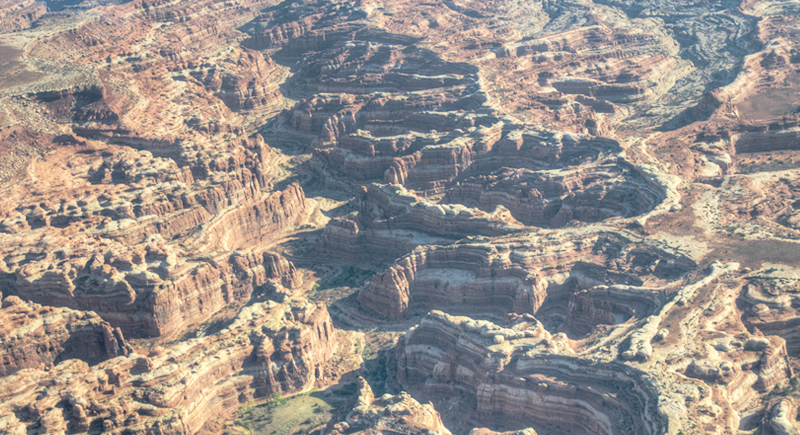
The Maze, Utah
Credit: Wikimedia Commons
Canyonlands National Park’s most remote district has a name that says it all. The Maze is a jumble of canyons with few markers and even fewer people. Flash floods and summer heat only add to the challenge. Hikers who get disoriented here can vanish for days without anyone nearby to notice.
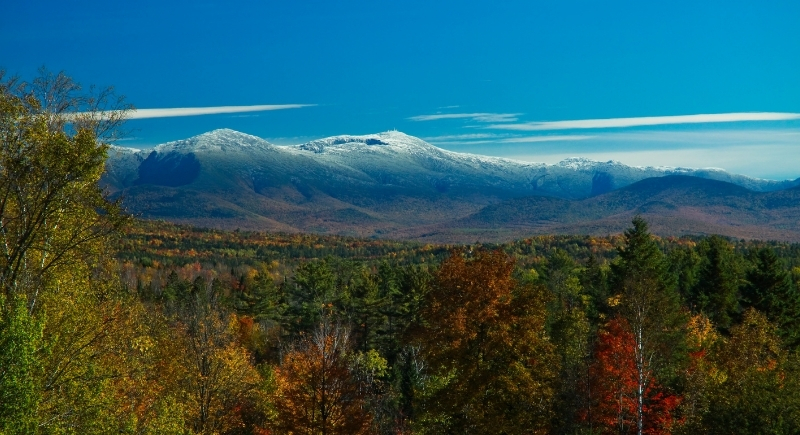
Mount Washington, New Hampshire
Credit: Getty Images
Mount Washington holds the record for the highest wind speed of 231 mph on land. Add snow in summer and fast-dropping temps, and you’ve got a mountain known for catching solo hikers off guard. Dozens have vanished from exposure over the years.
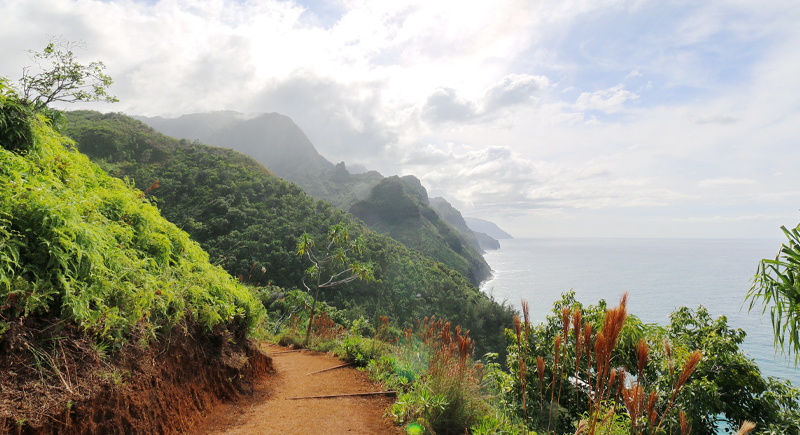
Kalalau Trail, Hawaii
Credit: Wikimedia Commons
This cliffside hike along Nā Pali Coast looks like a jungle postcard, but it demands respect. Rain can swell stream crossings fast, and Crawler’s Ledge stays tight with sheer drop-offs and no margin for slips. There is no cell service, rescues take time, and the route is 22 miles round-trip. One wrong call can turn the day serious very quickly.
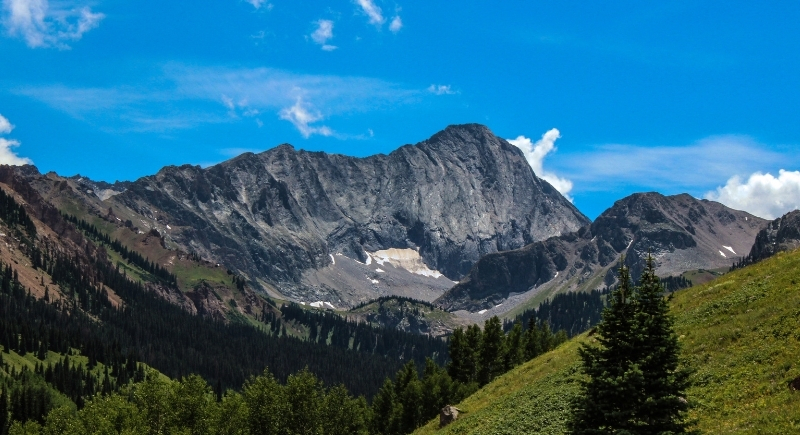
Capitol Peak, Colorado
Credit: Getty Images
Capitol Peak is unforgiving even by Elk Range standards. The Knife Edge narrows to a blade, with steep drops on both sides, where one misstep can send you plummeting 1,000 feet. Loose rock adds another layer of risk, which is why experienced climbers avoid going alone. In 2017, five people disappeared here within six weeks, a stark measure of how quickly this mountain turns dangerous.
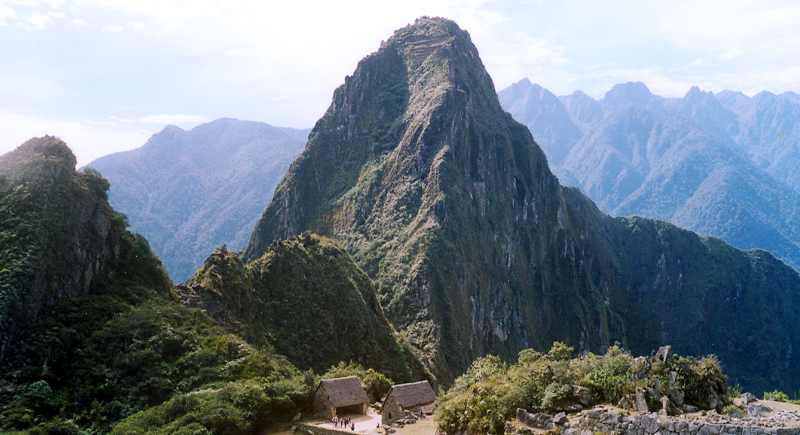
Huayna Picchu, Peru
Credit: Wikimedia Commons
Ancient Inca stairs tilt sharply toward the valley, and there’s little room to recover from a misstep. Rain makes the stone slick, and there are no guardrails. Permits limit how many go up, but solo hikers should still think twice—it’s easy to feel rushed and lose footing.
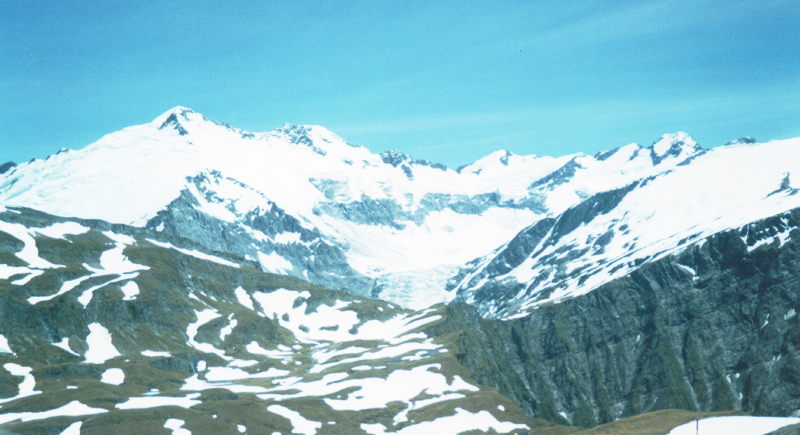
Cascade Saddle, New Zealand
Credit: Wikimedia Commons
The terrain shifts from tussock to exposed rock, and weather changes rapidly. Even experienced hikers lose footing here. New Zealand’s Department of Conservation explicitly warns that this hike is for those with advanced backcountry skills, so going it alone raises the stakes.
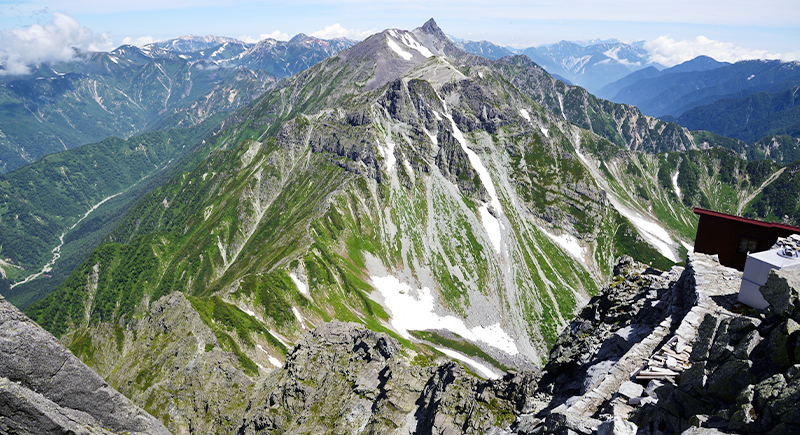
Daikiretto Traverse, Japan
Credit: iStockphoto
Japan’s Northern Alps host this short but punishing stretch, known for chains and steep ridgelines. At just under two miles, the Daikiretto looks manageable on a map. Reality hits when you’re inching along a knife-edge with hundreds of feet of exposure on both sides.
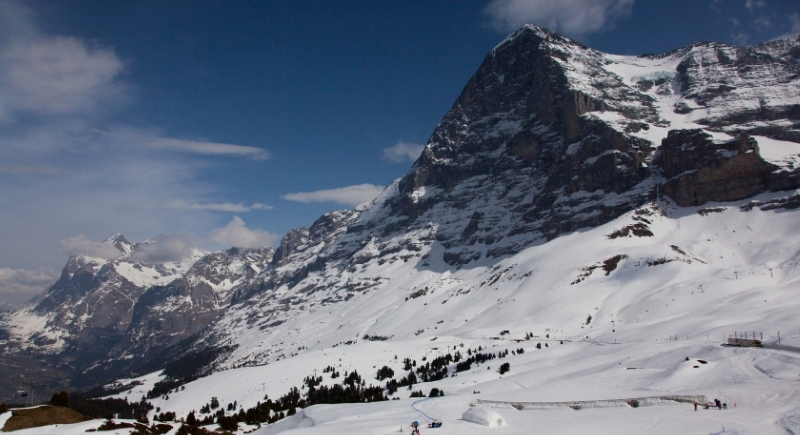
The Eiger’s North Face, Switzerland
Credit: Getty Images
Nicknamed the “Murder Wall,” the North Face of the Eiger is no beginner route. The weather closes in fast, and rockfall is frequent. Climbers attempting this solo face one of the riskiest ascents in the Alps. It took 80 years after the mountain’s first climb for someone to successfully summit via the North Face.
Half Dome, California
Credit: Canva
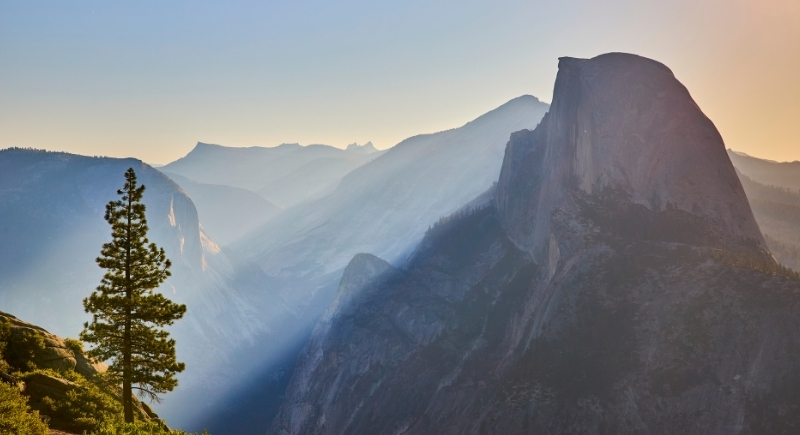
Yosemite’s famous granite dome attracts ambitious hikers. The steel cables help, but only if conditions are dry and you’ve got a good grip. Rain makes the rock slippery, and crowds can make footing unpredictable. Solo hikers who slip on the cables don’t have someone to stabilize them or call for help quickly.
Drakensberg Traverse, South Africa and Lesotho
Credit: Getty Images
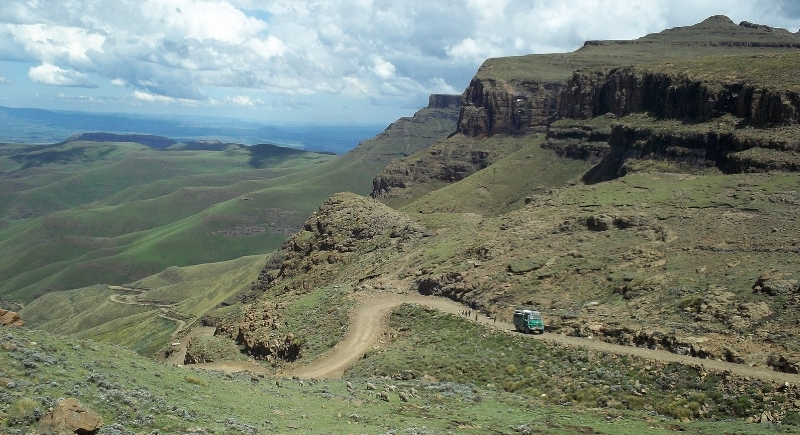
Spanning roughly 143 miles, this hike is more of a route than a clear trail. Navigation is part of the challenge, and without GPS and good maps, it’s easy to lose your bearings. Chain ladders at the start add risk. It’s remote enough that a sprained ankle could mean days without assistance.