What to Know About Travel Insurance During Winter Storms
Travel insurance earns its value during winter storms by covering costs airlines leave behind. Comprehensive plans often reimburse nonrefundable expenses tied to cancellations or interruptions caused by severe weather. Delay coverage may step in when travelers get stranded, reimbursing them for hotel, food, local transportation, and parking costs after a required waiting period, often 6 hours or more.
Some policies also automatically extend coverage when travelers cannot return home on schedule due to weather-related route closures. The extension can matter during multi-day storms that freeze entire regions. These benefits are intended to mitigate financial damage.
The Vital Timing Rule
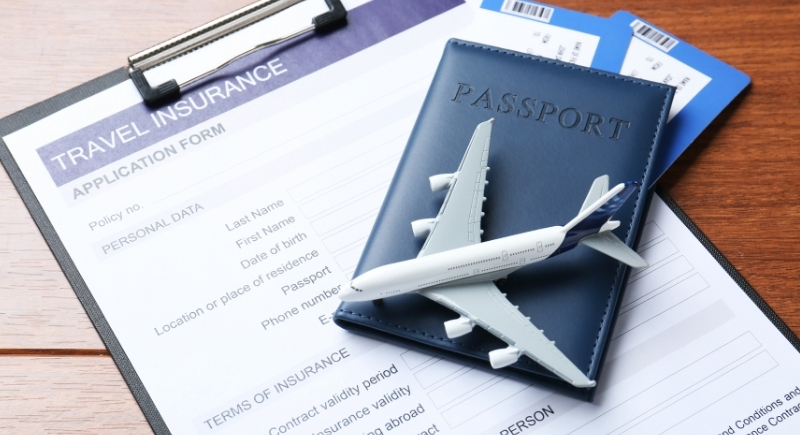
Image via Canva/Africa images
Timing decides coverage more than snowfall totals ever will. Once a winter storm becomes a known event, trip cancellation coverage tied to that storm disappears for new buyers. Forecasts, warnings, and named systems all flip that switch. Buying insurance after alerts circulate usually locks out cancellation and interruption protection tied to that storm.
Policies purchased earlier usually keep full storm-related coverage, even if conditions worsen later. This explains why two travelers on the same flight can face very different outcomes. One can get reimbursed, while the other eats the loss.
Add-ons like ‘Cancel For Any Reason’ or ‘Interruption For Any Reason’ can offer partial refunds even after storms make headlines, but they come with strict rules. These upgrades must be added soon after the initial trip deposit, often within 14 to 21 days, and they reimburse only a portion of the costs. Flexibility improves, but it never reaches full protection.
Illness, Injuries, And Winter Risk Stacking
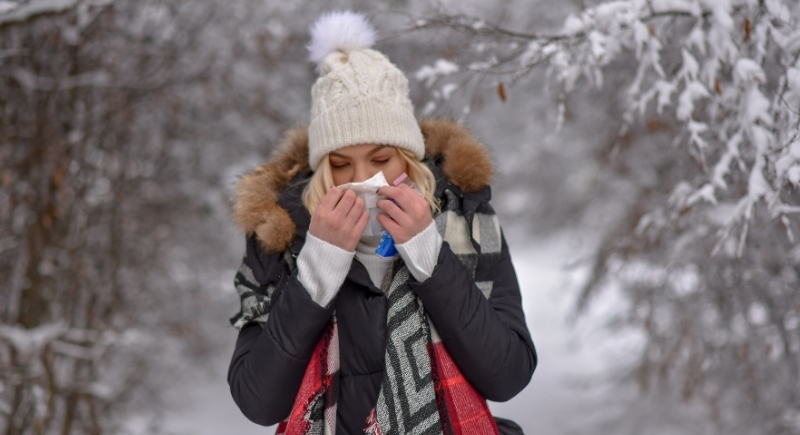
Image via Getty Images/dtephoto
Winter storms rarely travel alone. Flu, COVID, and RSV peak during the same months that snow disrupts airports. Travel insurance can cover cancellations due to illness when symptoms develop after the policy purchase, and a doctor confirms travel is unsafe. Coverage may also apply if a close family member is hospitalized and unable to travel.
Winter travel also raises injury risk. Slips on ice, car crashes during storms, and ski injuries send thousands of travelers to emergency rooms each year. Medical coverage and emergency evacuation benefits can become the most valuable part of a policy during these moments, especially in mountain regions where transport costs tend to increase.
Delays, Missed Connections, And Smaller Wins
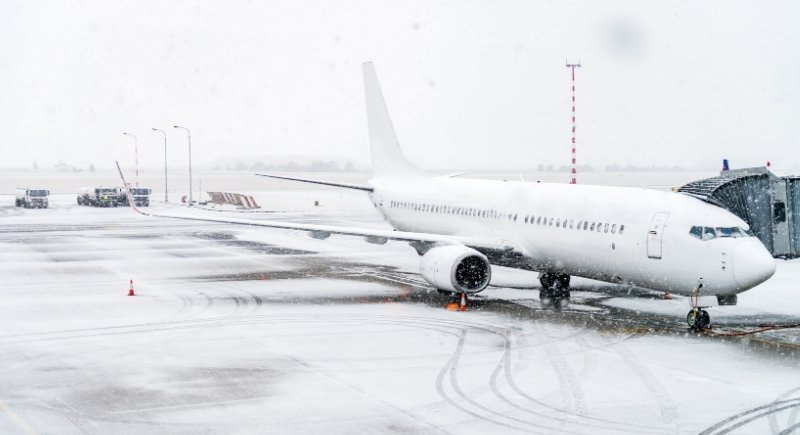
Image via Getty Images/yoh4nn
Even when cancellation coverage drops off, delay and missed connection benefits often remain available. These benefits reimburse expenses after long delays tied to weather, sometimes starting as early as three hours. This is where receipts and carrier notices are crucial because documentation turns frustration into reimbursement.
Some plans also include travel inconvenience benefits. These pay a flat amount when major trip components are shut down, such as closed ski areas or canceled attractions due to power outages. The payout hardly matches the disappointment, but it cushions the blow.
Baggage Problems Multiply In Snowstorms
Winter storms also wreck baggage systems. Missed connections and airport shutdowns leave bags circling the country long after travelers arrive. Baggage delay coverage can reimburse essential purchases once delays pass a set threshold. Direct flights and lighter packing help, but insurance fills gaps when systems break under pressure.