
Follow the physical clues along an old river route, from lock walls and market halls to the weighhouse signs that recorded trade.
Read the lock walls like a shipping receipt
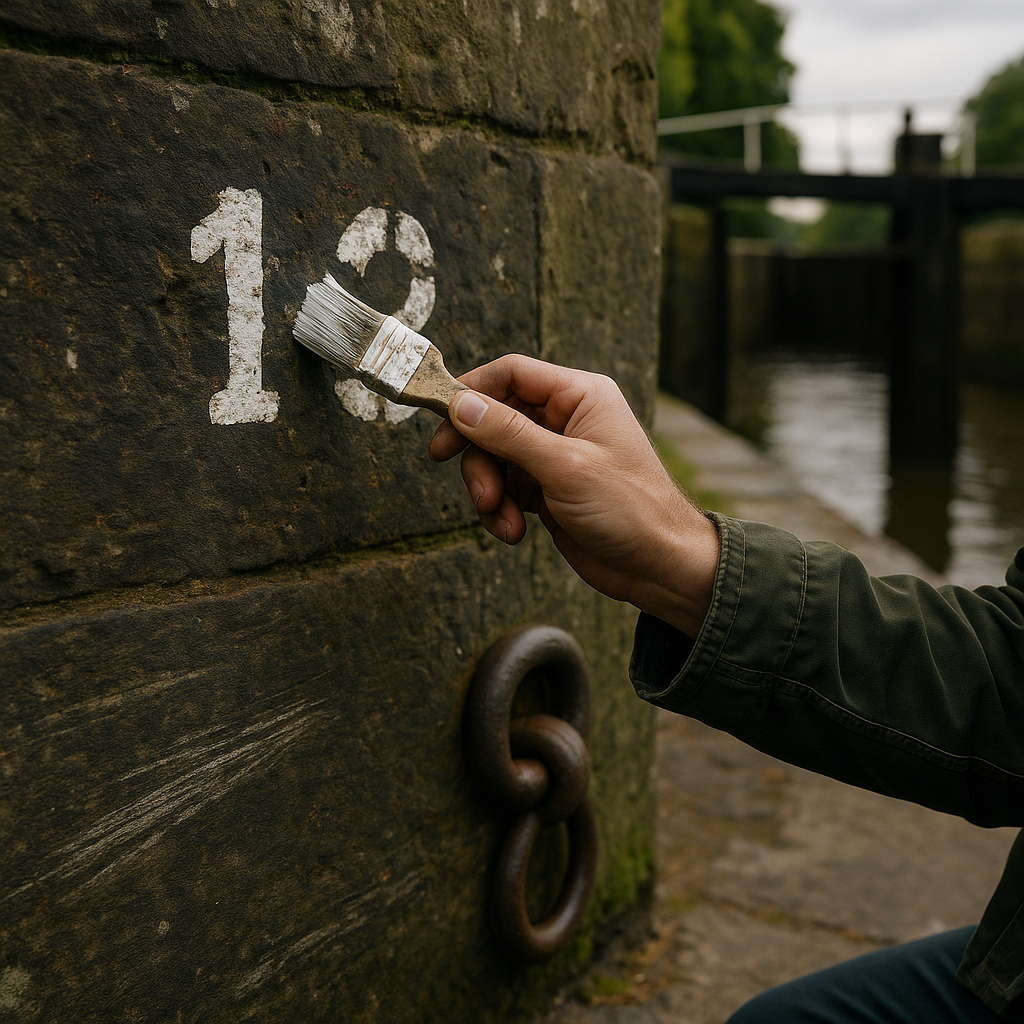
The first time I paid attention to a lock was when we were stuck waiting on a barge and I had nothing to do but stare at the stonework. That's when you start noticing the practical details that rarely make it into a brochure: worn mooring rings, scrape marks on the masonry, and old painted numbers added for working traffic.
If you're floating through former trade corridors, those details can give you useful clues. Look at what the lock was built to handle. Lock dimensions, mooring hardware, and worn masonry can offer clues about the vessels a waterway was built to accommodate. Historic records or interpretive plaques are safer guides to cargo and vessel types, since scrape marks alone cannot reliably show whether a boat was loaded, empty, or part of a tow.
While you're waiting for the gates, scan for plaques that mention a date range or a rebuild. A lot of river infrastructure was modernized in layers, and it's useful to know if you're looking at a 19th-century chamber with 20th-century concrete repairs. Then do the quick mental map: A lock, towpath, and nearby warehouses can point to a historic freight corridor, but identifying the cargo usually requires a plaque, an archive, a museum display, or another local record. You won't always get the answer right there, but you will start to see how the river was organized for work, not leisure, and how the towns along it suddenly read like service stations in a supply chain.
Market halls: follow the goods off the water
Here's the move I make whenever a river itinerary stops near an old town center: I don't start at the cathedral or the viewpoint. I walk straight to the market hall or the covered market street and look for what's being measured. Not sold, measured. Trade routes are obsessed with measurement because measurement is where money gets decided.
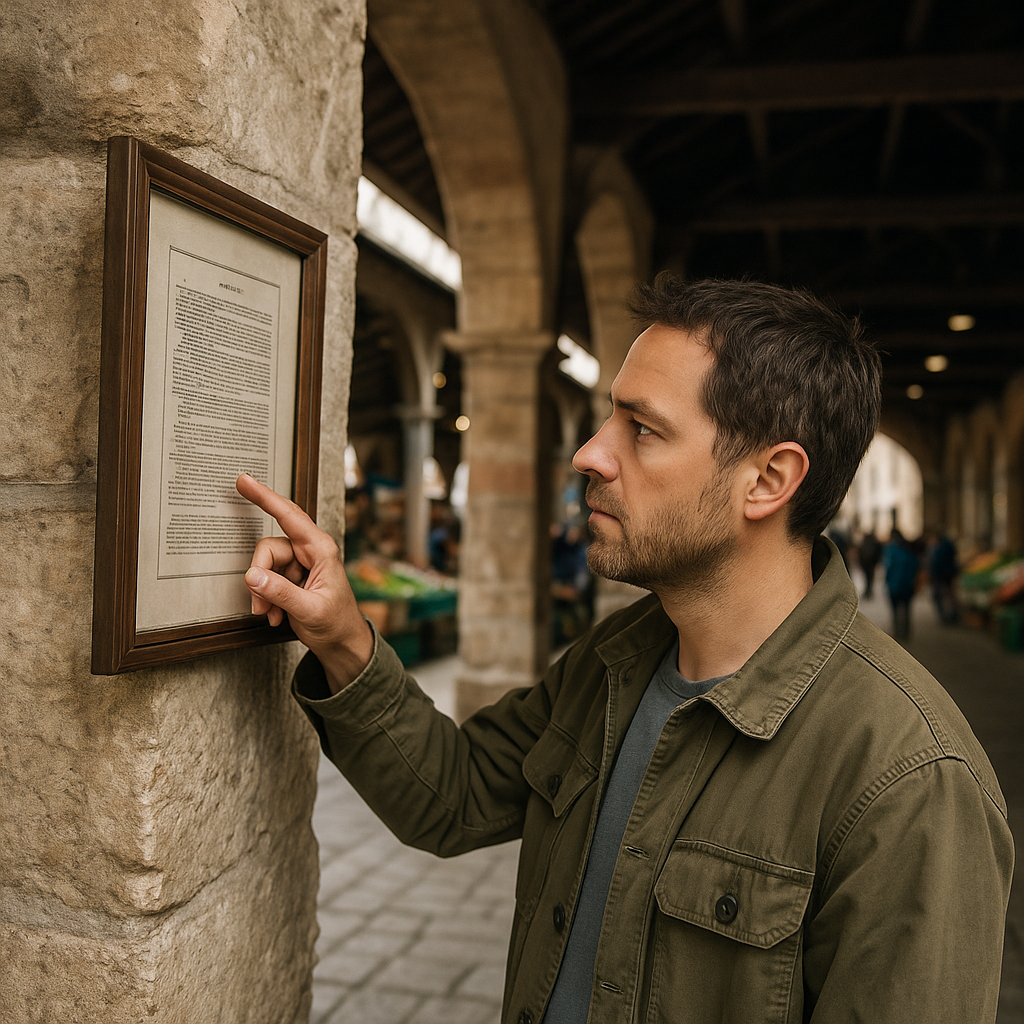
Even if the building is now full of cheese boards and souvenirs, the building's original layout can still reveal how it once functioned. Check the entrances first. Wide street-level doorways and an unusually broad service lane may suggest a layout designed for carts and bulk goods. Inside, look for hooks in beams, heavy rails, or worn stone thresholds that slope a little from centuries of dragging sacks. If there's a posted set of rules, even a modern reproduction, read it. Market rules often preserve older language about weights, inspection, and where different goods could be sold. It sounds dry until you realize you're reading the social contract of a river economy.
Then step outside and connect it back to the water with your feet. In a lot of historic communities, the shortest path from quay to market is obvious once you look for it: a straight lane that drops gently, a gatehouse that funnels traffic, a broad plaza that may once have accommodated busy market traffic. I like to do it both ways. Walk from the dock to the market, then walk it back to the river and notice what you ignored on the way in: little storage doors at ground level, nameplates that reference trades, and buildings that have the tall, blank-sided look of former warehouses.
The payoff is a clearer sense of how the town connected river traffic with local trade and everyday commerce. When you later drift past a stretch of river with no settlement for miles, that gap feels meaningful too. The street plan may still reflect where goods once moved between the waterfront and the town.
Use the weighhouse sign as a historical clue
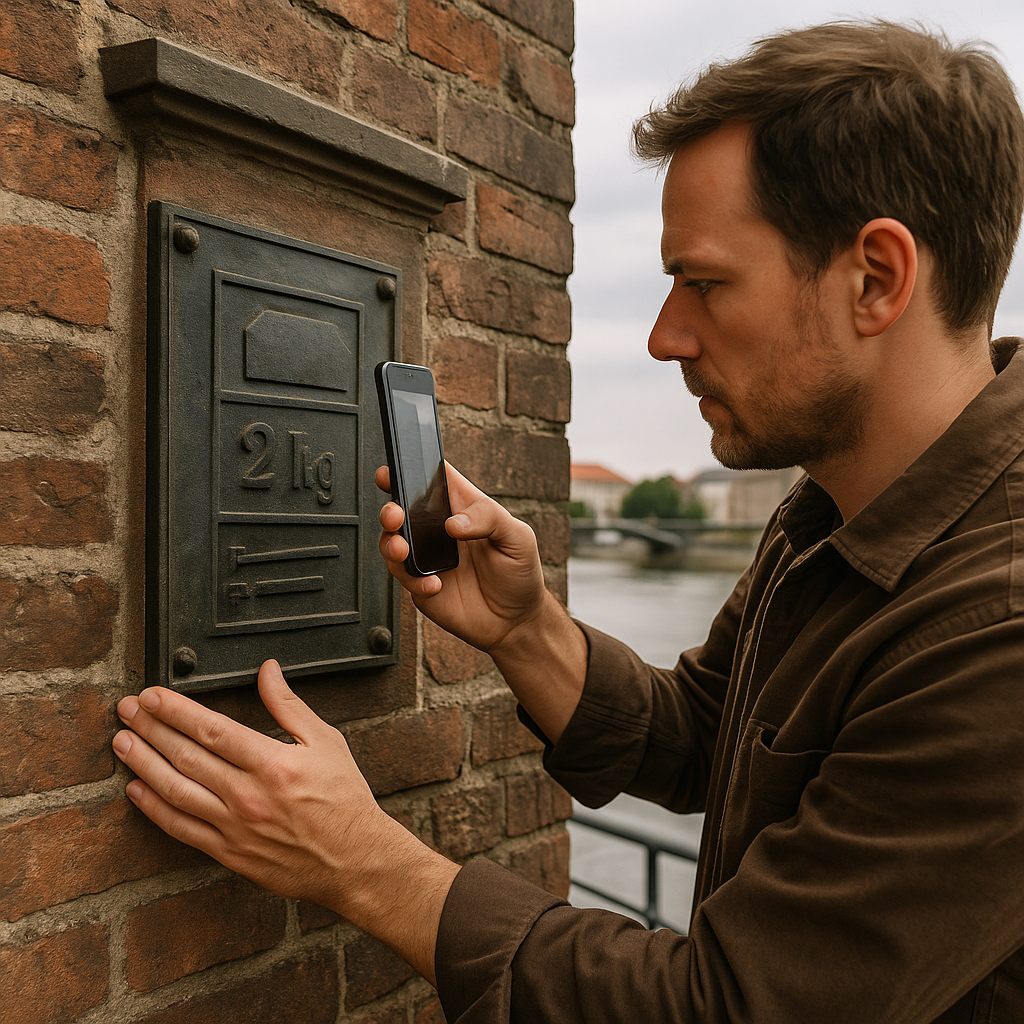
I didn't understand how literal old trade routes were until I started hunting for weighhouse clues. Not the museum version with velvet ropes. I mean the small signs and plaques that still say, in plain language, that this is where weight was checked and recorded. If you find one near a riverfront, you've found a place where goods could be formally weighed before or during trade, making it an important part of the local commercial system.
When I spot a weighhouse reference, I look first at two details: the unit of measurement and the scale's capacity. The first is the unit system. Is the sign talking metric tonnes, or older local measures? If it references older measures, the wording may help date the system being described, but the sign alone may not establish how long the practice continued or exactly who used it. The second is capacity. A posted capacity or description of the original scales can indicate how substantial the weighing operation was. Avoid identifying specific cargo from capacity alone unless the sign or local history names it.
Now tie it back to what you're floating past. Historic weighhouses were commonly associated with places where goods were inspected, taxed, traded, or transferred, including market districts and busy transport routes. If your river journey threads natural landmarks (a gorge, a bend with dramatic cliffs, a confluence) and then slides into a town with a weighhouse marker, that contrast is the story. The river moved the goods, while local authorities and merchants handled weighing, inspection, and trade.
One practical tip: snap a photo of the sign, then zoom in later when you're back on the boat and the light is better. Half the time, you missed a date, a crest, or a trade name because you were also dodging bikes on the quay. Those small details may identify a commodity, trade, date, or regulation that explains how the weighhouse fit into the local economy.