9 Waterfalls in Hawaii That Are Illegal to Hike To
Hawaii averages about 1,000 hiker rescues each year, and search-and-rescue teams consistently report that many calls come from illegal or closed trails, including those near waterfalls. Below are several such locations, along with the facts explaining why access is restricted. Fines can range from $1,000 to $2,500, although lower fines are common depending on the offense and jurisdiction.
Sacred Falls
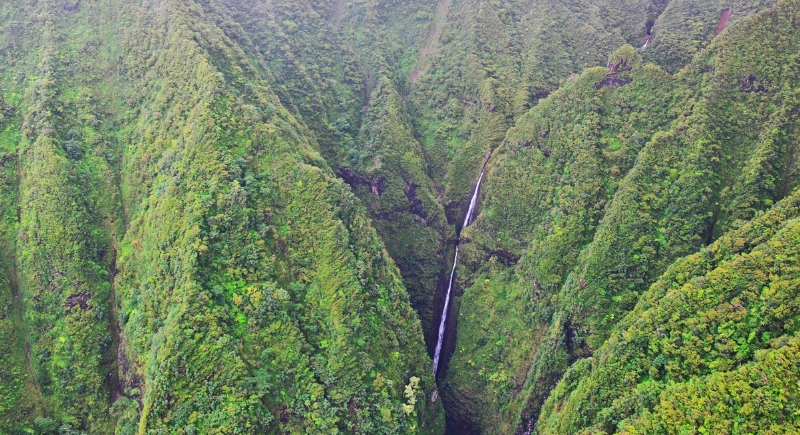
Credit: Wikimedia Commons
This Oʻahu waterfall, bordered by steep, unstable cliffs, has been closed since 1999. A massive rockslide killed eight people and injured nearly 30 others at what was then a state park. Despite fences and warning signs, people still sneak in. Trespassing can lead to fines of up to $2,500 and possible jail time.
Hamama Falls
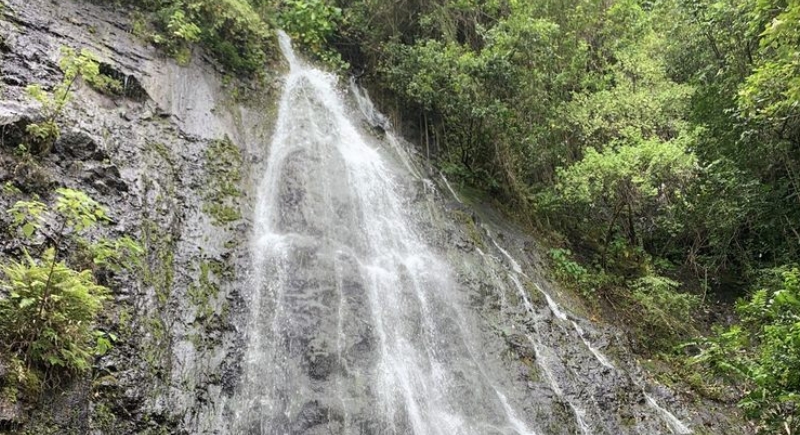
Credit: Yelp
Behind residential streets in Kāneʻohe, this waterfall is located on Board of Water Supply land. The area protects drinking water infrastructure, which is why public access is illegal. Enforcement is active, and hikers are cited for trespassing. The unmaintained, muddy trail has contributed to injuries even before reaching the waterfall.
Narnia Waterfalls
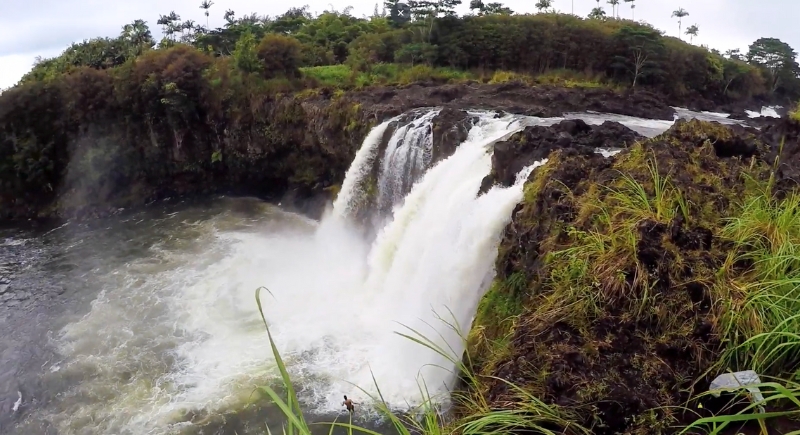
Credit: Youtube
Within the Hilo Forest Reserve on the Big Island, the Narnia Waterfalls gained popularity online despite having no official status. Hiking here is illegal due to safety and liability concerns. The terrain includes slippery lava rock and sudden drop-offs, and access for rescuers is extremely limited.
Opaekaa Falls Upper Access
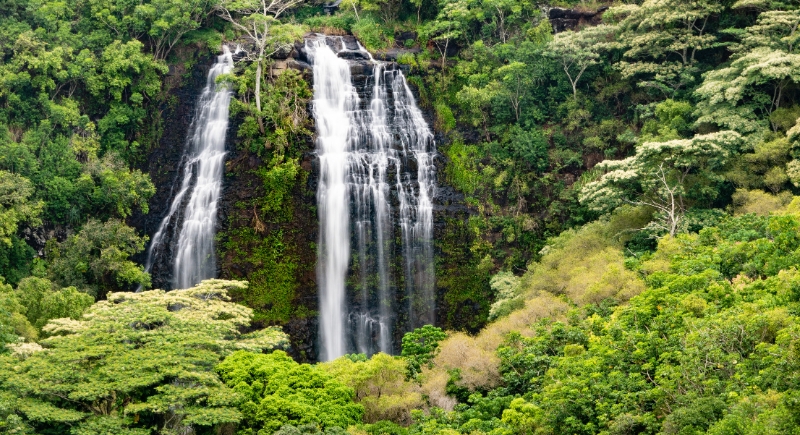
Credit: Getty Images
The main lookout at this Kauaʻi waterfall is legal and paved, but the unmarked trail leading closer is not. In 2006, two women fell roughly 300 feet to their deaths after following a guidebook route. The state was later ordered to pay $15.4 million to the families. The trail remains closed, and bypassing barriers is considered trespassing.
Hanakoa Falls
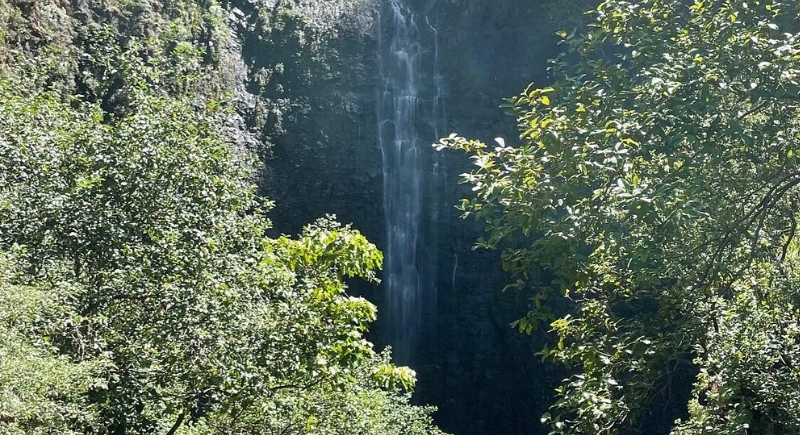
Credit: Tripadvisor
If you are hiking the Kalalau Trail on Kauaʻi, you may pass Hanakoa Falls along the way. You do not need a separate permit just to view the falls. However, permits are required to continue past Hanakāpī‘ai Beach on the Kalalau Trail. Hiking beyond Hanakāpī‘ai Beach without a valid permit is considered a petty misdemeanor. Park rangers regularly check permits on this stretch of the trail, and citations are issued frequently.
Upper Waikani Falls
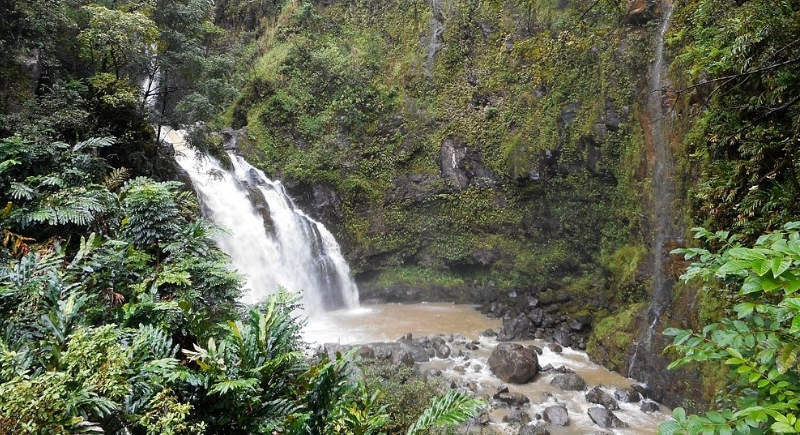
Credit: Tripadvisor
Most people recognize this Maui waterfall from the Road to Hāna. The lower falls are visible from the roadside, but climbing above them or hiking upstream enters restricted areas. Injuries here often involve wet rock and fast-moving water, especially after rain. Citations are issued for leaving designated areas.
Makapipi Falls
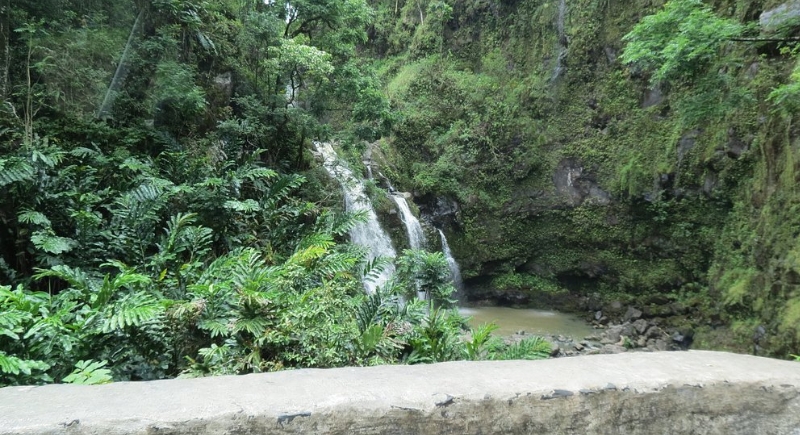
Credit: Tripadvisor
This lesser-known Maui waterfall looks calm from above, but the pool below can conceal strong currents. Access routes cross private land, so hiking there is illegal without permission. Several serious accidents have occurred when water levels rose suddenly after upstream rain.
Waipuhia Falls
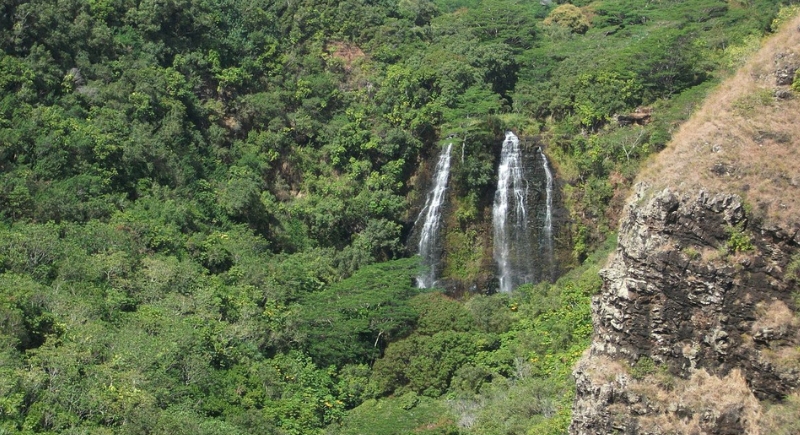
Credit: Tripadvisor
Near Honolulu, Waipuhia Falls appears approachable from nearby trails, but direct access routes cross protected watershed land. The area supplies the city with water, which means entry is illegal. Slippery slopes and flash flooding have contributed to the long-standing closure.
Punaluu Falls
Credit: Tripadvisor
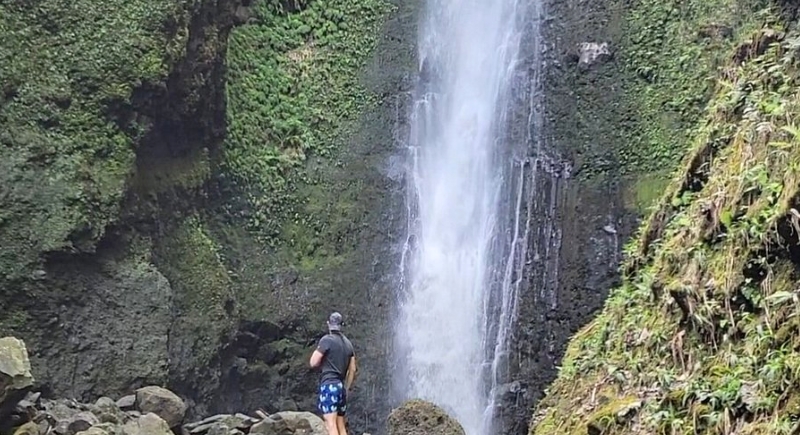
This Big Island waterfall is located near agricultural land and private property. Public access has never been formally established, and reaching it requires crossing posted land. Enforcement varies, but trespassing citations are permitted under state law. Changes in pool depth after storms have led to injuries.