Vietnam Is Becoming the New Hotspot for Remote Workers, Replacing Bali
Remote work hubs tend to shift when policies change, and costs catch up. Over the past three years, visa rules tightened in some destinations, rent climbed faster than wages, and long stays became harder to justify financially. At the same time, other countries quietly adjusted in ways that were more important to people working online full-time.
Updated visa access, lower living costs, and dependable infrastructure began to reshape where remote workers could realistically settle for months at a time. By 2024, booking data, expat surveys, and coworker demand all started pointing in the same direction, suggesting that one Southeast Asian country was absorbing the overflow from places that had grown crowded, expensive, and restrictive.
Infrastructure That Supports Actual Workdays
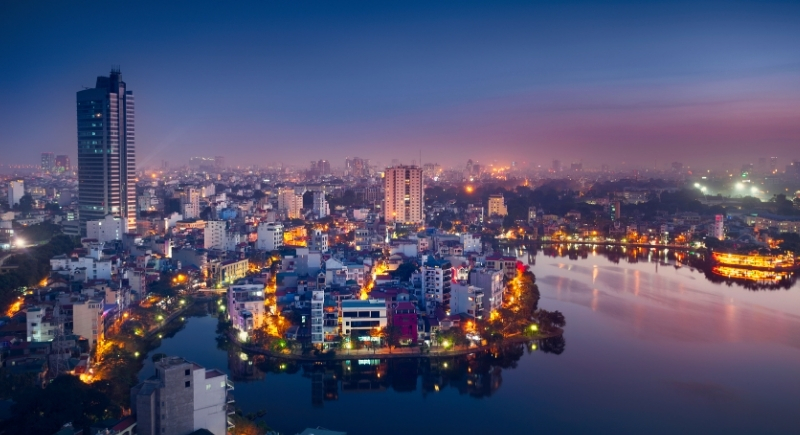
Image via Getty Images/LordRunar
In Vietnam, the numbers still make sense. Multiple cost-of-living databases show that monthly expenses in cities like Da Nang and Hanoi often range from $1,200 to $1,600 for a comfortable remote setup, including rent, food, transportation, and workspace access. The range leaves room to breathe without constant budgeting anxiety. However, affordability alone does not keep people productive.
Internet reliability, workspace options, and basic services decide whether a place works long-term, and Vietnam performs quite well across all three. Fiber internet is common in urban areas, mobile data plans cost just a few dollars per month, and power stability keeps improving. Coworking spaces are no longer novelty spots aimed only at startups. Many now focus on day-to-day remote workers who need quiet rooms, meeting booths, and predictable Wi-Fi.
Cities That Fit Different Remote Styles

Image via Canva/danr13
Multiple cities have also adjusted to remote routines. Cafes expect laptops, long stays at tables rarely raise eyebrows, and opening hours stretch late, which suits teams working across time zones. A place like Da Nang attracts remote workers who want space, routine, and a calmer pace. The city runs efficiently, traffic stays manageable, and beach access is minutes away from apartments and coworking spaces, suitable for people building structure into their weeks.
Ho Chi Minh City appeals to a different crowd. The pace is faster, networking is easier, and the job ecosystem feels active. Remote workers who like events, collaboration, and constant motion tend to stay longer than planned.
Hanoi feels cultural and compact. Neighborhood life matters more there, and daily routines feel grounded. It works well for writers, designers, and solo operators who prefer quieter evenings without feeling isolated.
Visa Changes Removed A Major Friction Point
Vietnam’s 90-day e-visa, introduced nationwide in 2023, changed planning behavior. Remote workers can now enter with fewer hurdles, move between cities, and test longer stays without immediate pressure. The flexibility contrasts with places where visa runs grew unpredictable or short-term limits disrupted work schedules. For people managing client deadlines and team calendars, fewer interruptions make a noticeable difference.
Why Bali No Longer Sets The Pace

Image via Canva/Oneinchpunch
Bali remains appealing, but expectations have changed. Costs rose sharply, traffic worsened, and competition for housing intensified. For shorter trips, it still works, but for trips of 6 months or longer, many remote workers now hesitate.