10 Critical Updates on Venice’s Expanded 60-Day Entry Fee for 2026
Venice doesn’t do subtle when it comes to crowd control. The city has doubled down on its controversial entry system for 2026 by extending it across more days, refining its operation, and making it harder to ignore if you’re just visiting for a few hours. If you’re planning a quick visit, there are now more rules, more dates, and more reasons to plan ahead. Here’s what actually changed and why it matters.
The Calendar Just Got Longer
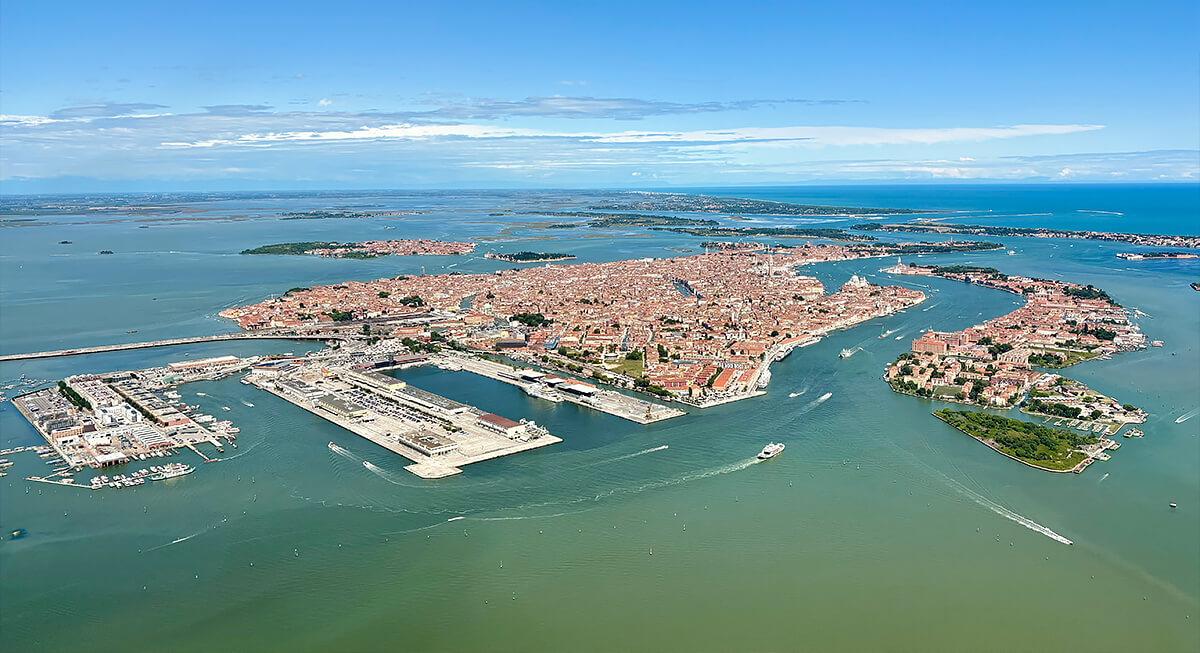
Credit: Wikipedia
If your spring or summer trip is between April and July, you must check Venice’s access calendar. The 2026 system spans 60 specific days, going beyond the 54 of the previous year to include weekends and select public holidays. It doesn’t run continuously, which creates gaps that work in a traveler’s favor if planned carefully. If you miss that detail, though, a simple day visit could come with added logistics and unexpected complications.
You’re Paying For Peak Hours Only
Credit: Wikimedia Commons
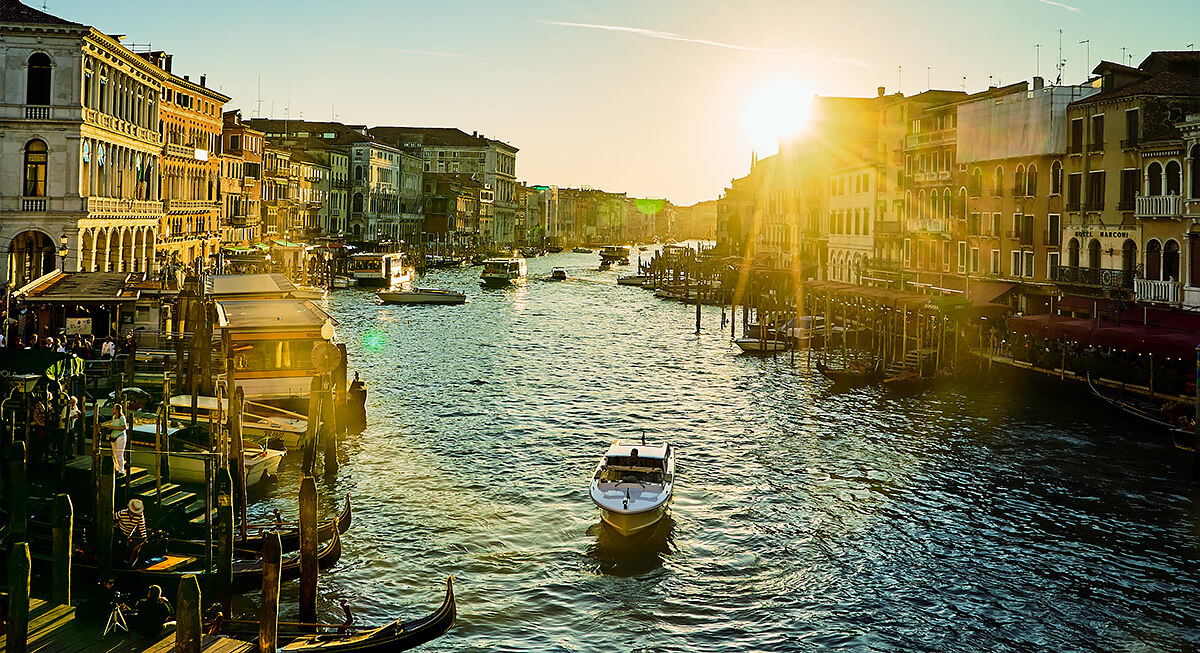
Between 8:30 a.m. and 4 p.m., the daytripper entry fee applies throughout Venice’s historic center. The time block captures the surge as day visitors arrive from trains, buses, and cruise connections throughout the day. Outside those hours, the requirement is removed completely.
Booking Ahead Saves Real Money

Credit: pexels
Visitors who confirm their plans at least 4 days in advance pay €5, about $5.40 at current exchange rates. The price rises to €10 (roughly $10.80) for bookings made closer to the visit date. This may seem minor, but the difference adds up quickly for families or larger groups traveling together. Venice is encouraging visitors to plan ahead.
The QR Code System Is Mandatory

Credit: Canva
QR code checks are now a standard part of entry in high-traffic areas like Santa Lucia station. Officials scan codes linked to visitor registrations at key points where crowds gather. There are no physical entry barriers, but enforcement is consistent throughout the day. Each code is stored on a phone and tied to a payment or exemption status. While movement without a code is still possible, the likelihood of being checked increases significantly during peak hours.
Hotels Already Cover You
Credit: Wikimedia Commons
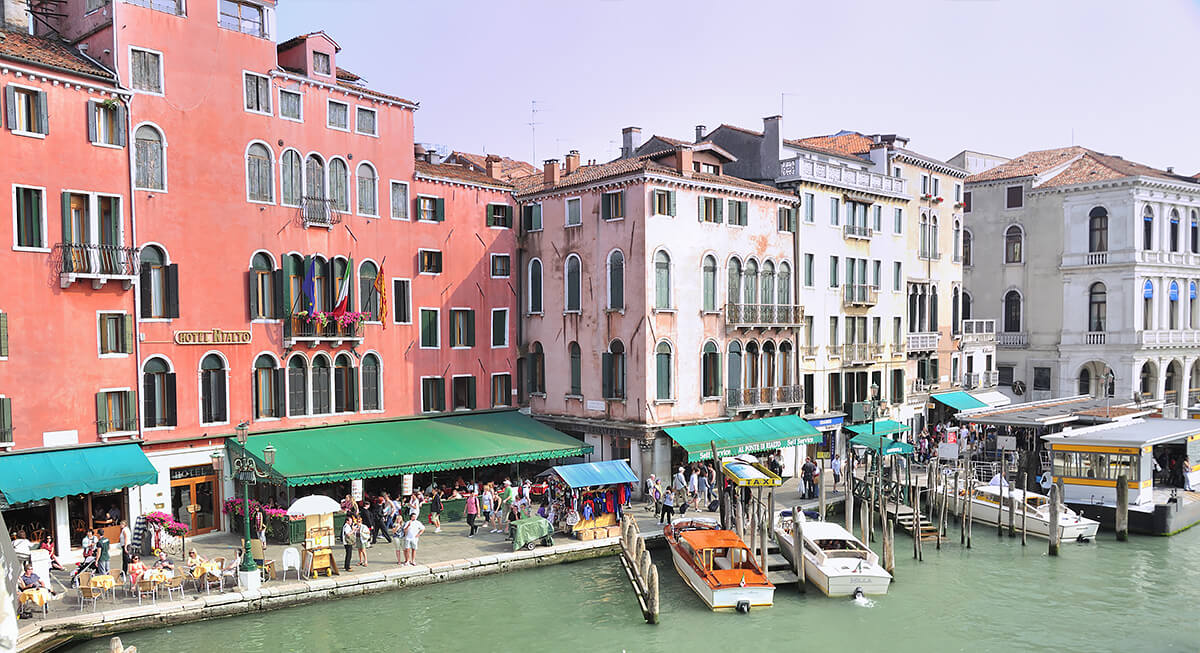
Hotel stays already include a built-in requirement. Visitors staying overnight in Venice are exempt from the daytripper fee because the lodging tax contributes to the city’s tourism system. Registration is still required to generate a QR code that confirms exemption during checks. The process takes only a few minutes and helps avoid issues later. Overnight visits also support the city’s goal of managing tourism at a more sustainable pace.
Fines Are Designed To Sting
Credit: Wikimedia Commons
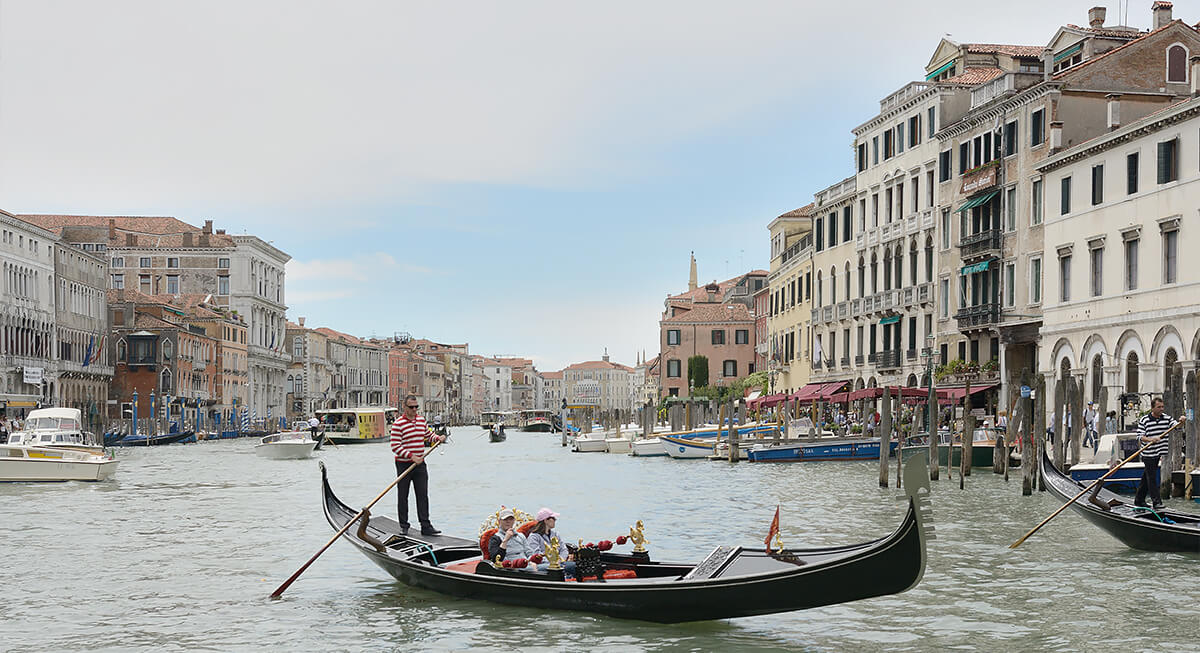
Skipping registration is sure to get expensive quickly once checks are carried out. Penalties range from €50 to €300, which converts to roughly $54 to $325 depending on exchange rates at the time.
The Real Target Is “Hit-And-Run” Tourism
Credit: Wikimedia Commons
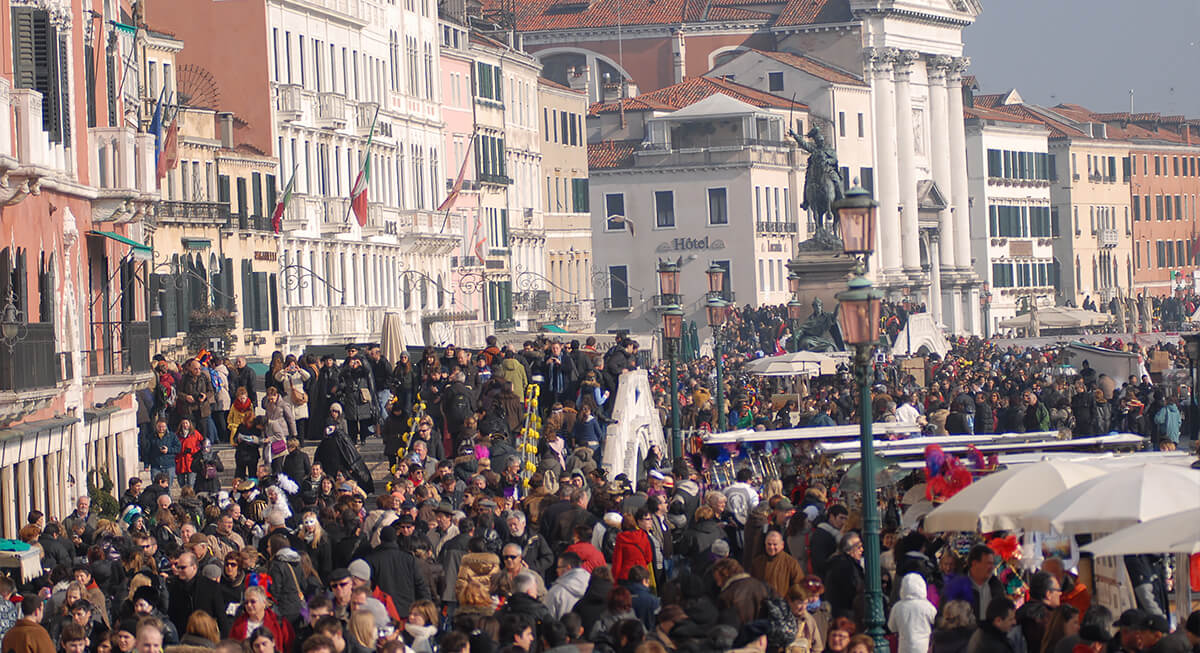
The policy targets short, high-volume visits that put the most strain on the city. In Venice, peak-hour crowds quickly overwhelm narrow walkways, fill water buses, and place constant pressure on local services. The system is designed to manage that surge. With the resident population now below 50,000, maintaining a balance between tourism and daily life has become a growing priority.
The Numbers Tell A Mixed Story

Credit: Wikimedia Commons
In 2025, an average of about 13,000 visitors paid the fee on active days, compared to roughly 16,600 the year before. While that drop is significant, peak days still approached 25,000 entries into the city. The system hasn’t cleared the crowds in any dramatic way so far, but it has changed how the city tracks them. Patterns are easier to monitor now.
It Only Applies To Certain Areas
Credit: Wikipedia
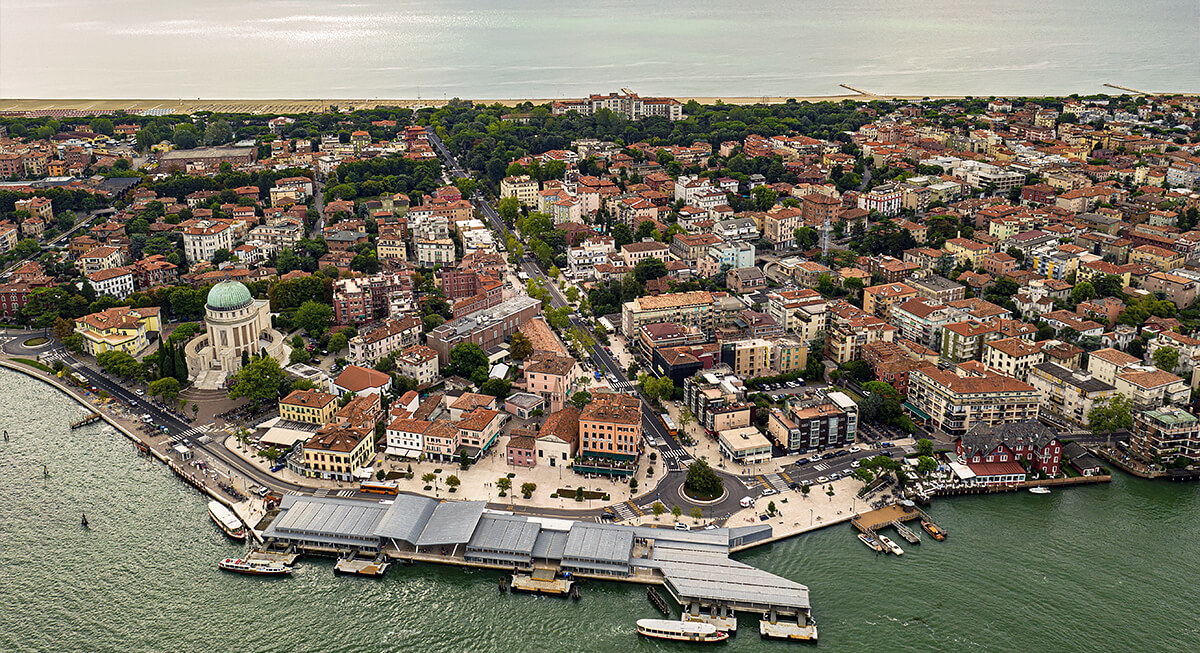
Travelers staying in places like Lido or Murano won’t encounter the daytripper fee unless they enter Venice’s historic center during active hours. The rule focuses on the most congested part of the city. Crossing into the center at the wrong time can also trigger the requirement, even if the rest of the visit takes place outside that zone.
Venice Is Testing A Global First
Credit: pexels
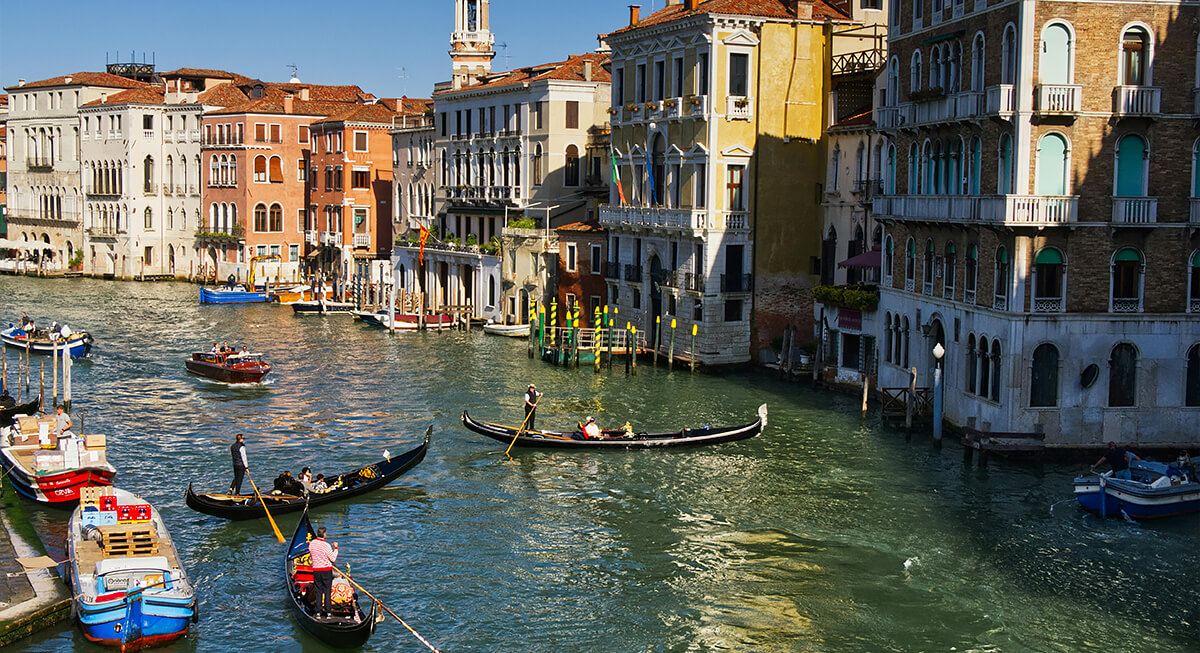
Officials describe the entry fee as an evolving system rather than a finished policy with fixed rules. Each year should bring different adjustments based on data collected during previous rollouts and real-world visitor behavior. The 2026 expansion is the best proof of that ongoing process of refinement. Other destinations facing overtourism are watching closely, using Venice as a case study for managing crowds without introducing strict caps or limiting access entirely for visitors.