10 Secret Tunnels Under Major U.S. Cities You Didn’t Know Existed
Most cities reveal themselves at street level, but their true stories often lie beneath. Beneath sidewalks and subways, hidden tunnel networks were constructed for moving goods, escaping danger, or maintaining daily life out of sight. Some are sealed off today, while others remain in use.
Los Angeles, California
Credit: Getty Images
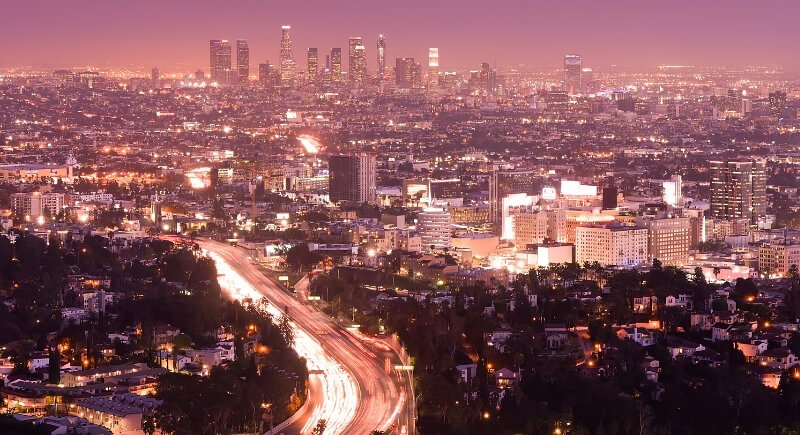
In the 1920s, tunnels beneath downtown Los Angeles connected City Hall and nearby courthouses. Built for efficiency, they became especially active during Prohibition, when bootleggers used the same routes to move liquor and slip into speakeasies out of sight.
Seattle, Washington
Credit: Canva
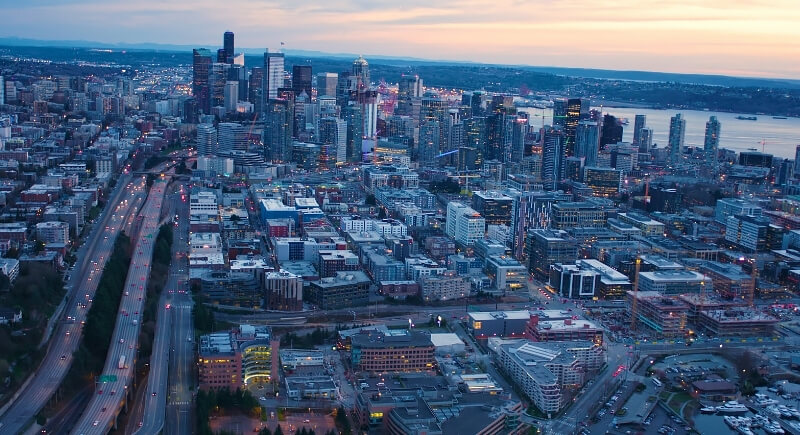
Seattle didn’t rebuild after the Great Fire of 1889 the way most cities might. Instead of clearing out the ruins, they built a new city on top of them. The original sidewalks and street level still exist under Pioneer Square, where tours lead past charred beams and purple glass skylights.
Chicago, Illinois
Credit: Canva
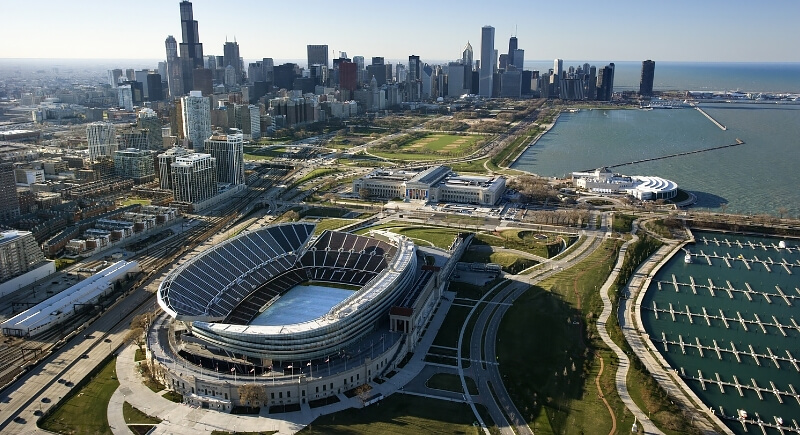
Beneath Chicago’s streets runs a freight tunnel system built to move coal and goods between downtown buildings. The tunnels extend for miles under the Loop and remain closed to the public. Nearby, the Pedway offers a rare, legal way to experience part of the city’s underground network.
Portland, Oregon
Credit: Getty Images
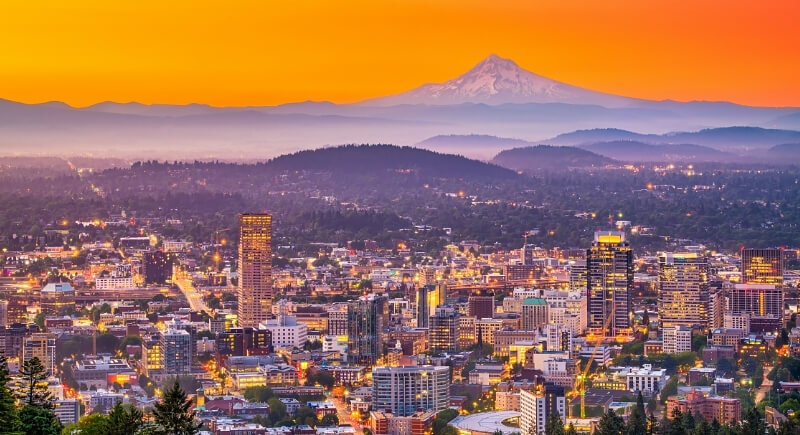
Stories swirl around Portland’s Shanghai Tunnels, which snake under Old Town and Chinatown. Legend says they were used to abduct men for forced labor aboard ships, though historians debate the details. What remains today are shadowy corridors, trapdoors, and rusted bars that recall a gritty maritime past.
New York City, New York
Credit: pexels
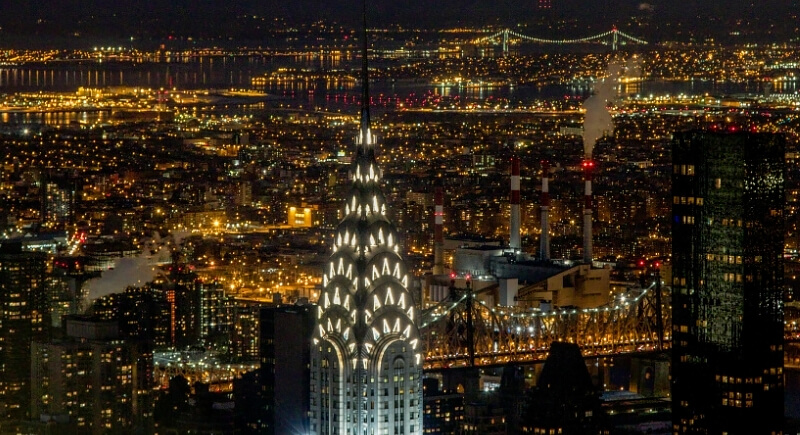
New York’s underworld includes more than subway tracks. Below Manhattan, pneumatic tubes once blasted mail across neighborhoods in steel canisters, while abandoned subway platforms hide behind sealed walls. Old City Hall Station, with its curved tilework and skylights, sits unused but visible on certain train loops.
Washington, DC
Credit: Getty Images
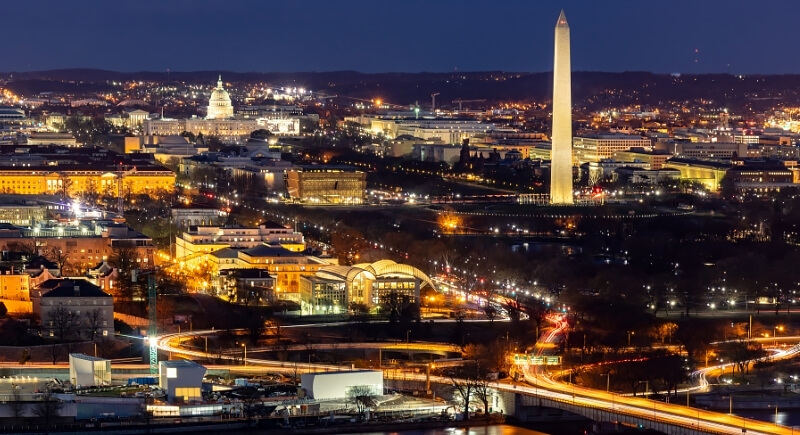
The Capitol has its own subterranean shuffle. Tunnels below government buildings allow lawmakers and staff to move discreetly between chambers. Some corridors use mini subway cars, while others carry foot traffic and carts. These routes aren’t open to the public, but they function like the city’s political veins, designed more for efficiency than spectacle.
Cincinnati, Ohio
Credit: Getty Images
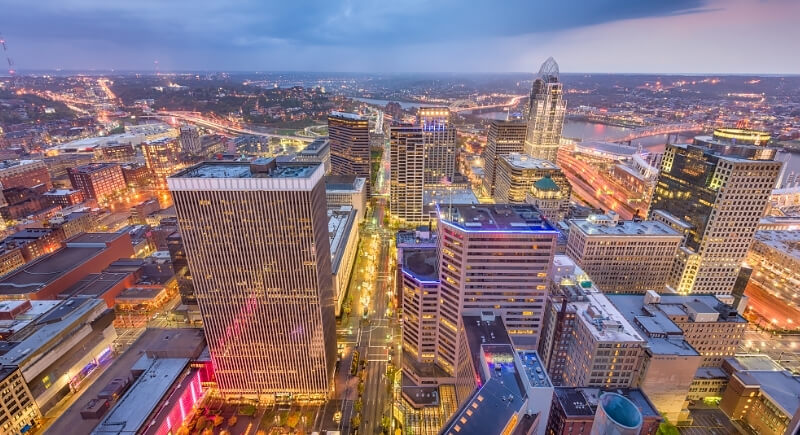
Beneath the Over-the-Rhine neighborhood, massive lagering tunnels kept beer cool long before the advent of refrigeration. Built by German immigrants in the 1800s, these cellars utilized natural stone and airflow to control temperature. Prohibition dimmed their use, but the passageways still exist.
Kansas City, Missouri
Credit: Getty Images
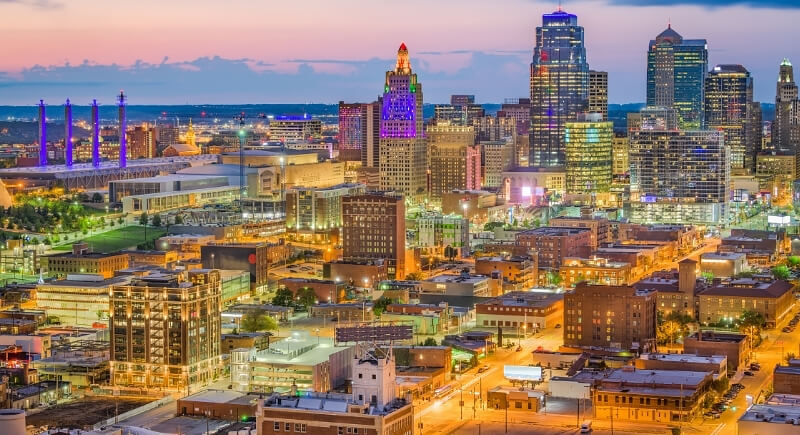
Under Kansas City’s surface lies SubTropolis, a sprawling industrial park built into an old limestone mine. With more than 55 million square feet, it’s one of the world’s largest underground business complexes. Companies lease space to store goods that benefit from the constant 68-degree climate.
Las Vegas, Nevada
Credit: Getty Images
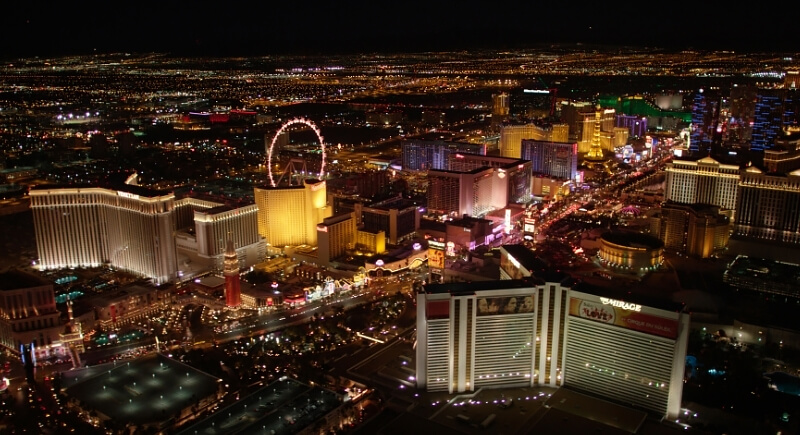
What started as flood control has evolved into something entirely different. Las Vegas built long drainage tunnels to handle desert storms, but today, parts of the system are used as makeshift housing. Murals, makeshift furniture, and advocacy outreach efforts are featured inside.
Boston, Massachusetts
Credit: Canva
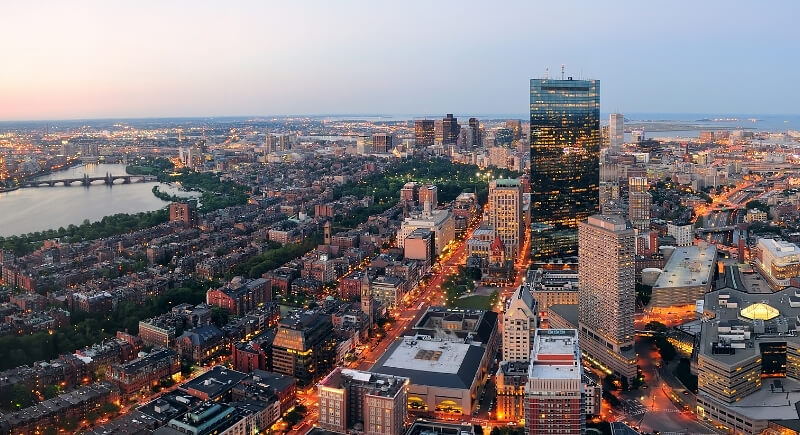
The crypts below Boston’s Old North Church hold more than 1,000 remains, many of which were placed there long before modern zoning regulations. Some tombs are still marked by initials scratched into wood. Elsewhere in the city, unused Big Dig tunnels sit behind locked doors and chain-link fences.