U.S. Airports with the Highest Cancellation Rates
Travel plans don’t always go as planned. Weather, staffing, air traffic, and the occasional equipment hiccup can all turn a scheduled flight into a frustrating cancellation. Some airports handle disruptions better than others, but a few stand out for the wrong reasons. These airports had the highest cancellation rates in recent reports.
Newark Liberty International (EWR)
Credit: Wikimedia Commons
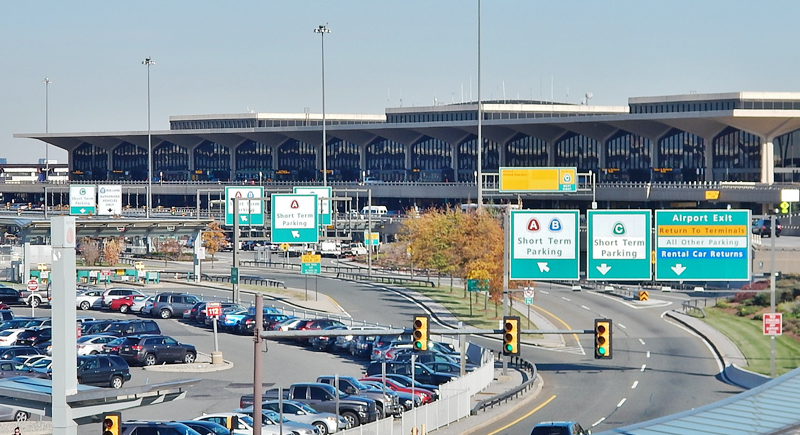
Newark led the country in cancellation rates in 2023, with nearly 3% of all scheduled flights getting scrapped. The congested airspace and tough weather make consistent delays a regular feature. Add in ripple effects from nearby LaGuardia and JFK, and Newark often finds itself in the middle of regional scheduling chaos.
LaGuardia Airport (LGA)
Credit: Wikimedia Commons
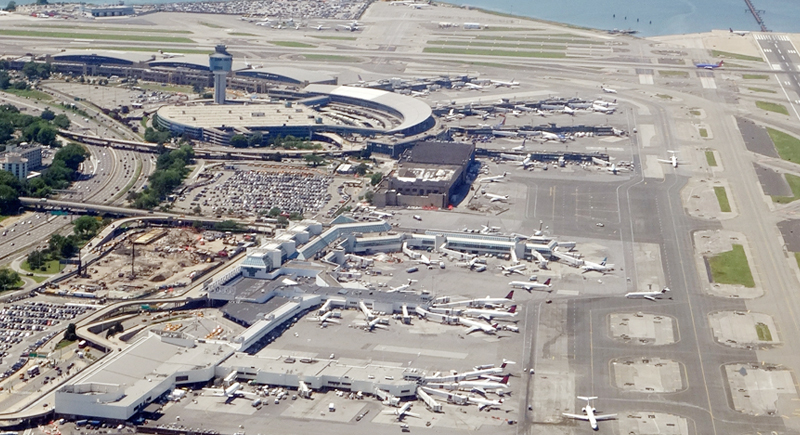
LaGuardia’s compact layout and high-density traffic don’t mix well during peak hours. Rain and low visibility can throw off schedules quickly, and once a few flights are grounded, the rest start to stack up. It doesn’t help that the airport has long struggled with modernization despite recent renovations.
Richmond International Airport (RIC)
Credit: Wikimedia Commons
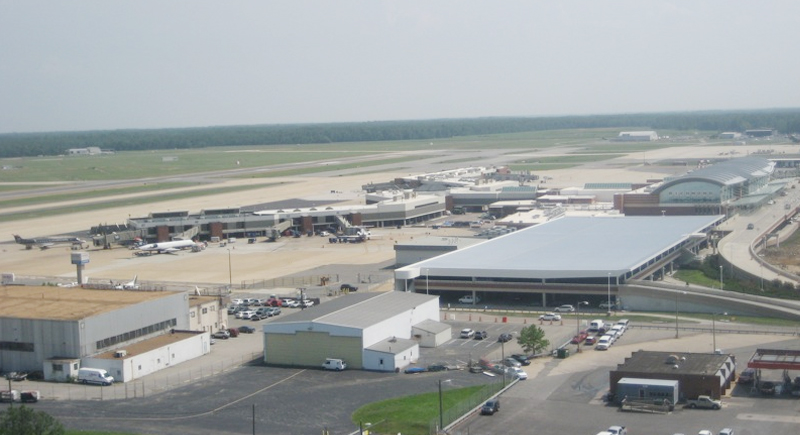
Richmond’s location along the busy East Coast air corridor makes it vulnerable to the ripple effects of Washington, New York, and other Northeastern airports. With fewer alternative routing options and limited spare capacity, even small disruptions can escalate into cancellations more quickly than travelers expect.
Boston Logan International (BOS)
Credit: Wikimedia Commons
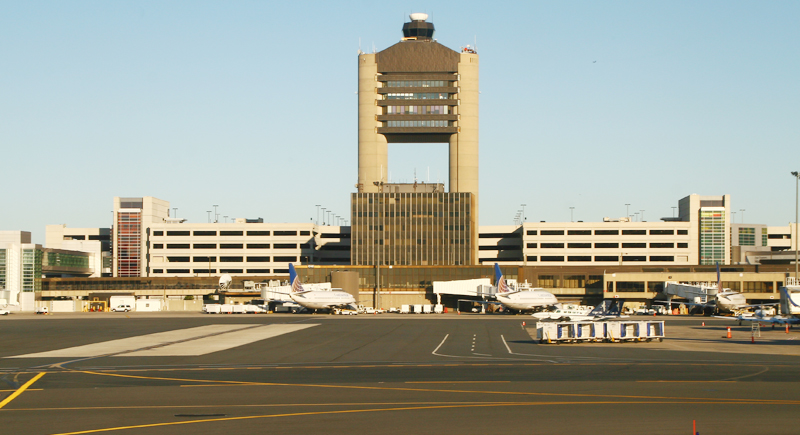
Icy runways and limited wiggle room for re-routing flights create an environment where cancellations are tough to avoid. The airport also experiences significant delays along the busy Northeast corridor, which makes it one of the more unpredictable spots for departures and arrivals year-round.
Dallas Love Field (DAL)
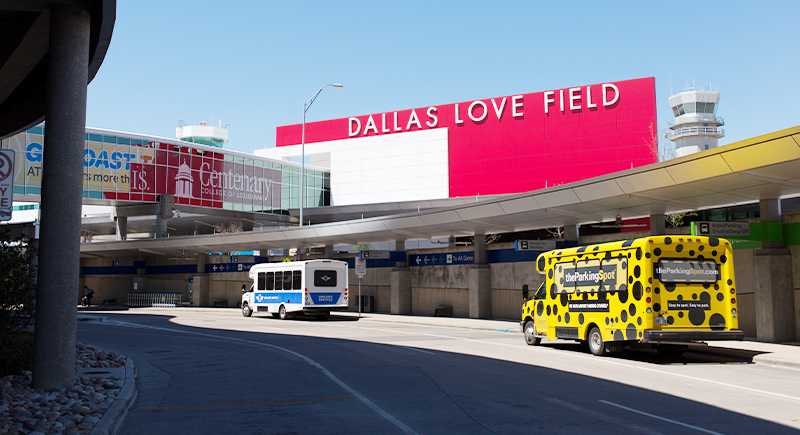
Credit: iStockphoto
In 2023, Dallas Love Field ranked among the ten U.S. airports with the highest cancellation rates. The airport primarily handles short-haul domestic flights, which are more susceptible to disruption when schedules are disrupted. Weather in North Texas often compounds the problem, grounding flights at Love Field just as easily as it does at larger hubs.
Buffalo Niagara International (BUF)
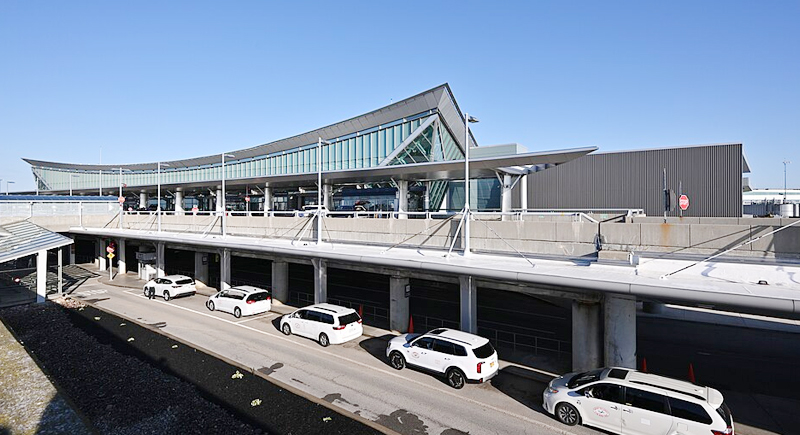
Credit: Wikimedia Commons
Snowstorms are a regular part of life in Buffalo, and the airport feels every flake. With winter weather stretching from late fall into early spring, BUF racks up cancellations at a pace that few others match. The airport’s relatively modest size limits its ability to recover quickly.
Fort Lauderdale-Hollywood International (FLL)
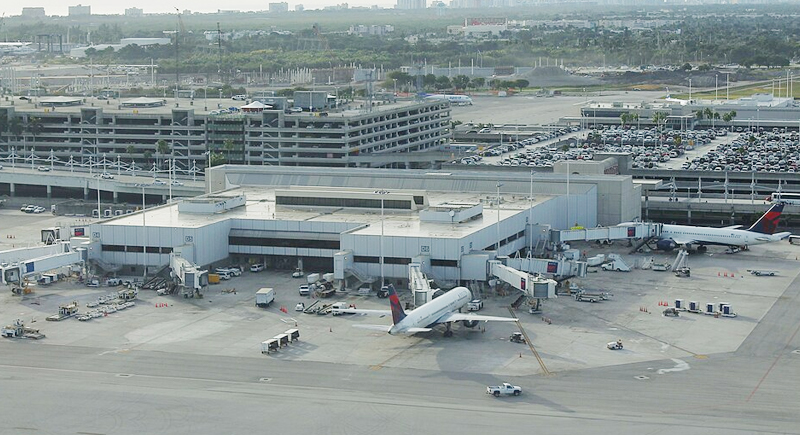
Credit: Wikimedia Commons
Fort Lauderdale made both the delay and cancellation top-10 lists in recent national reports. High travel volume, especially from budget carriers, means schedules are tight with little backup. When summer thunderstorms roll in or traffic backs up over the Atlantic, FLL often finds itself falling behind.
Dallas–Fort Worth International (DFW)
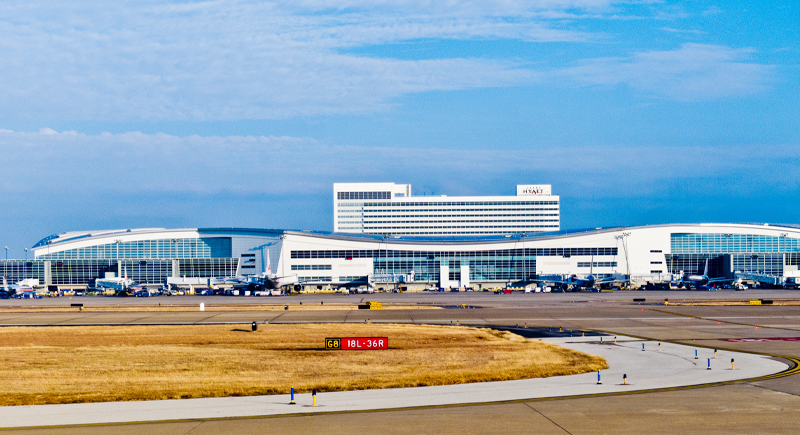
Credit: Wikimedia Commons
DFW moves an enormous volume of flights each day, with many connections tied to American Airlines. When storms roll in, especially during the volatile spring and summer months, cancellations can rise fast. Sheer scale works against the airport, since once delays stack up, getting operations back on track becomes a real challenge.
Norfolk International Airport (ORF)
Credit: Reddit
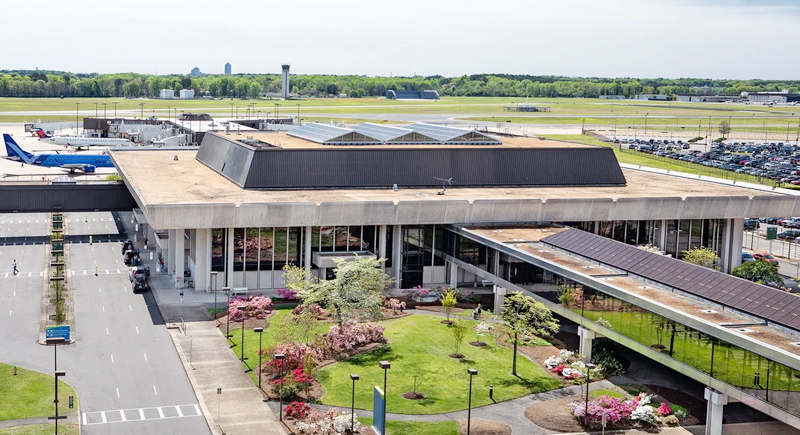
This Virginia airport unexpectedly appeared among the top airports for flight cancellations. Though not a massive hub, it’s sensitive to East Coast air traffic disruptions and coastal weather. When larger airports like DC and New York experience problems, Norfolk often feels the shockwaves. Limited alternate routes only add to the challenge.
John F. Kennedy International (JFK)
Credit: Wikimedia Commons
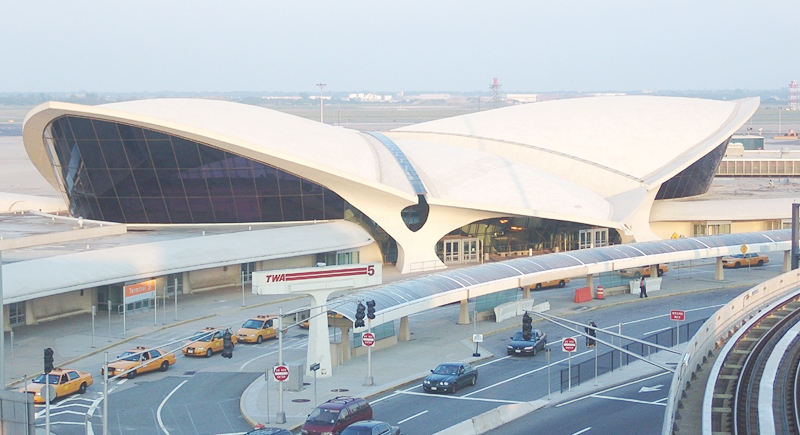
JFK shares more than just geography with Newark and LaGuardia—it shares their operational headaches. With numerous international flights, long-haul disruptions often create a backlog that can be challenging to rectify. Runway availability and air traffic control delays compound the issue.