10 Unwritten 1980s Travel Etiquette We Still Need
Flying once felt like entering a shared space where basic courtesy guided passenger behavior. By the mid-20th century, air travel had overtaken trains and ships in speed, but the experience still depended heavily on everyday manners. Airlines and cabin crews regularly reminded passengers that respect and consideration mattered onboard. Many of those informal rules remained common through the 1980s, when flying was generally more orderly. Some of those habits are worth revisiting today.
Wait Your Turn To Exit
Credit: iStockphoto
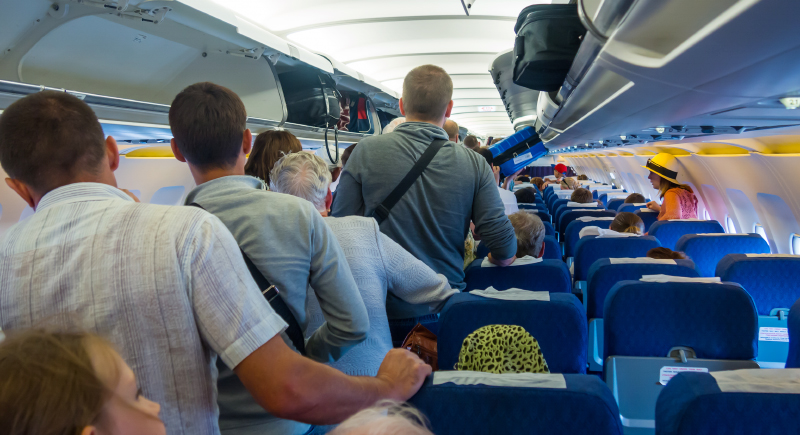
After landing, passengers traditionally exited the plane one row at a time. People stood when the seatbelt sign turned off, but waited for the row ahead to move before stepping into the aisle. This approach kept the aisle organized and prevented passengers from rushing forward. The row-by-row exit created a steady flow and reduced congestion near the aircraft door.
Respect The Cabin Crew
Credit: Canva
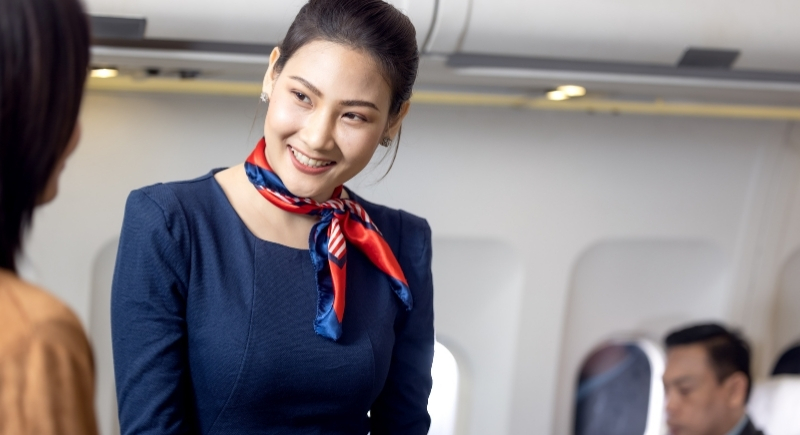
Cabin crews have long played a central role in maintaining order and comfort during flights. In earlier decades, flight attendants served meals, distributed newspapers, and assisted passengers throughout the journey. They also provided flight updates and answered travelers’ questions. Passengers were generally expected to treat the crew with courtesy and respect for their role in managing the cabin.
Pack Light
Credit: pexels
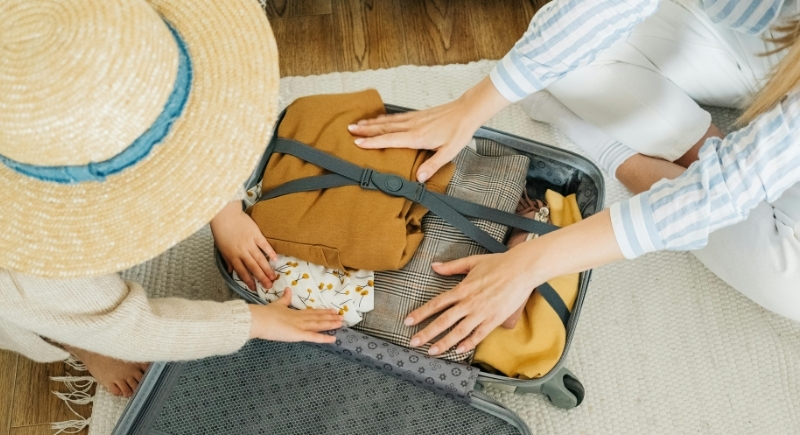
Airlines once expected passengers to travel with minimal luggage. Tickets typically included about a 40-pound baggage allowance, and many travelers carried even less. People commuting between cities such as New York and Chicago often flew with little or no luggage. Packing light made boarding easier and kept the aisles clear for everyone.
Let Passengers With Tight Connections Go First
Credit: pexels
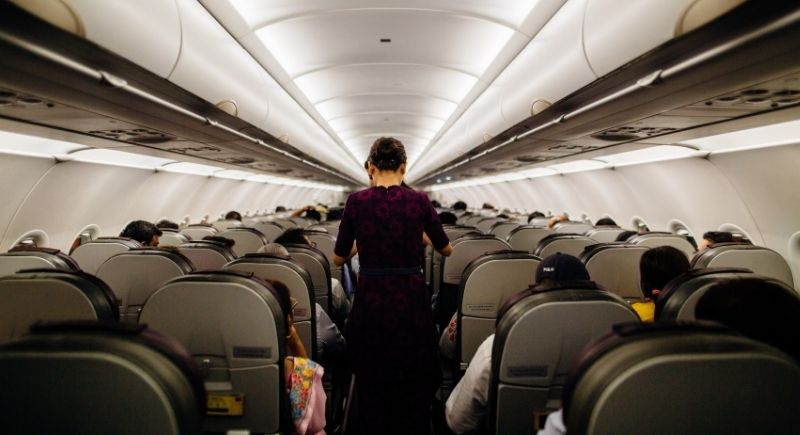
Delayed flights sometimes forced passengers to rush through airports for the next plane. Cabin crews occasionally asked everyone else to remain seated so those travelers could exit first. The system depended on honesty because only a few people usually had urgent connections. When passengers respected the request, travelers with short layovers actually had a chance to make their flights.
Make Friendly Conversation
Credit: Canva
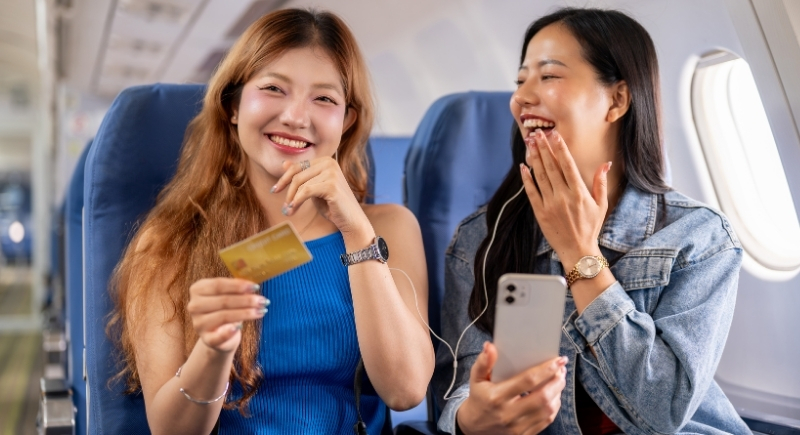
Conversation has always been part of the flying experience. Airlines once encouraged passengers to chat with the person beside them or with the crew. Talking about altitude, speed, or scenery below the aircraft was considered normal small talk.
Give People Space
Credit: Canva
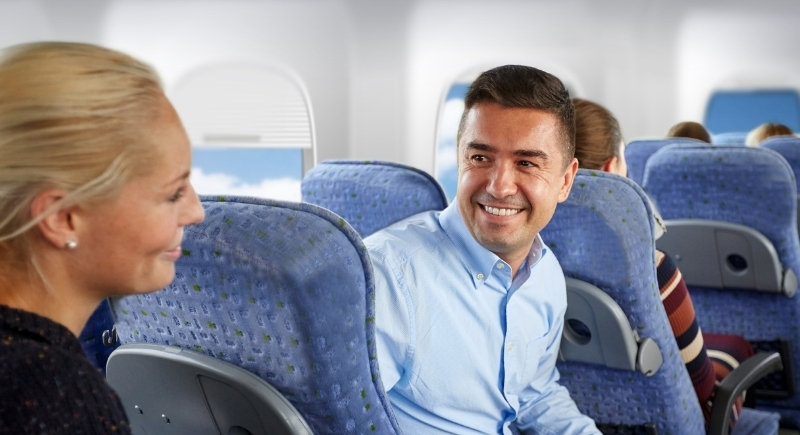
At the same time, courtesy guidelines from early air travel advised passengers to avoid bothering strangers who seemed uninterested in conversation. The cabin was treated as a shared space in which personal boundaries mattered. Introducing yourself to every passenger or forcing conversation was seen as poor behavior.
Follow Basic Table Manners
Credit: Getty Images
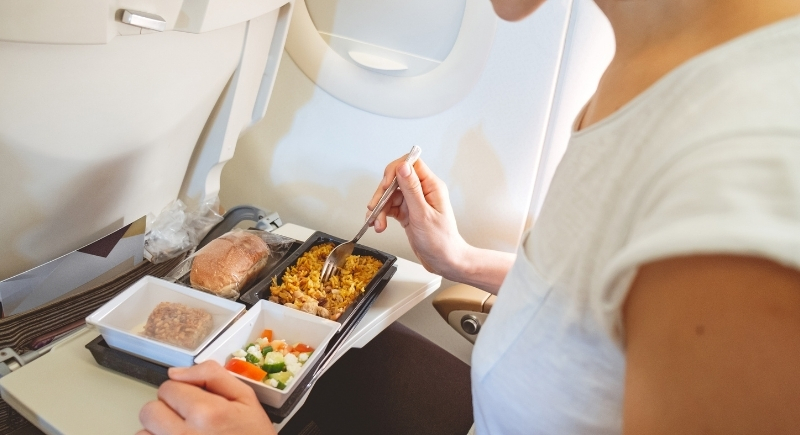
Airlines began serving meals during flights in the late 1930s when the first airline kitchen opened in Oakland, California. Before that, passengers received simple food such as sandwiches and fruit. By the time full meals became common, etiquette followed along. One airline even recommended tucking a napkin into a collar to keep clothes clean during the meal service.
Listen To The Crew
Credit: Getty Images
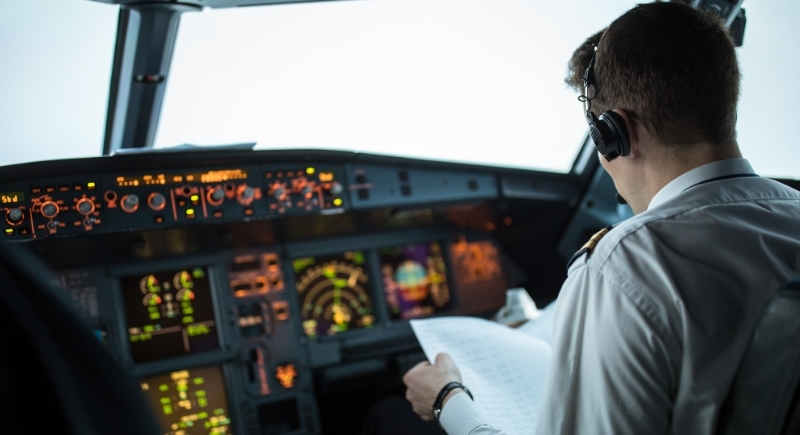
Pilots sometimes walked into the cabin during early commercial flights to greet passengers. Captains also sent updates about weather conditions and the aircraft’s location. Passengers paid attention because those reports explained the flight’s progress. Respect for crew instructions kept the cabin organized throughout the trip.
Keep Movement Reasonable
Credit: Canva
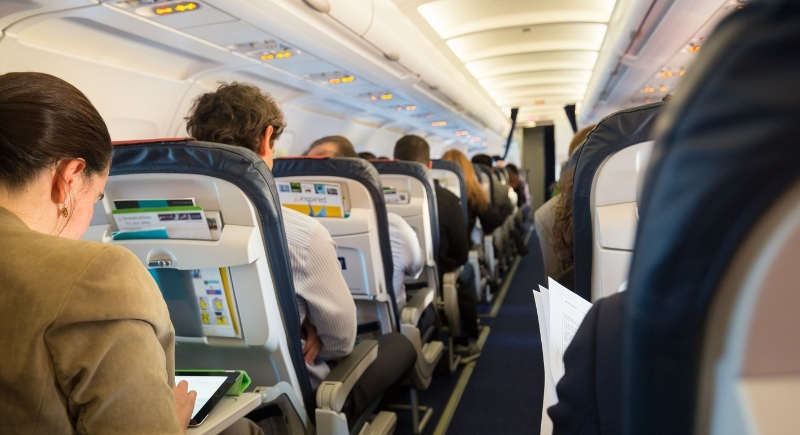
Air travel etiquette once discouraged wandering around the cabin simply to meet people. Passengers were expected to remain seated unless they had a reason to move. This guideline prevented crowded aisles and helped maintain a relaxed environment.
Help The Journey Run Smoothly
Credit: Canva
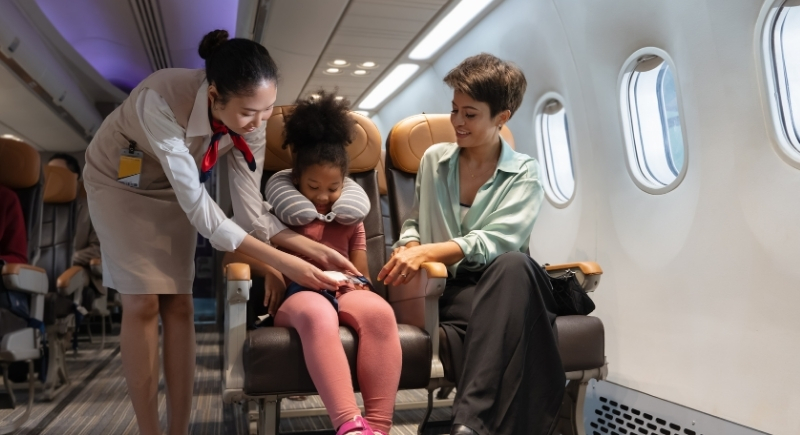
Airlines designed their service around comfort and cooperation. Flight attendants sometimes cared for babies so parents could rest during long flights. Children traveling alone were guided through the journey until they reached their destination. Passengers who showed patience and understanding made the experience easier for the entire cabin.