Mysterious Doors Around the World That No One Has Ever Opened
Some doors stay closed for good reason, or at least that’s what those guarding them believe. Around the world, sealed entrances remain untouched in temples, monuments, hotels, and historic sites. They’re blocked by politics, science, religion, and fear. What’s behind them ranges from national archives to rumored tombs and forgotten rooms. The mystery grows the longer the door stays closed.
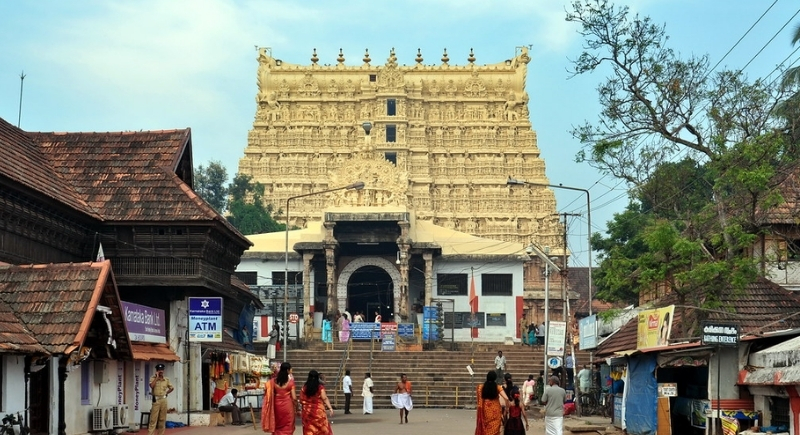
Vault B – Padmanabhaswamy Temple, India
Credit: Wikimedia Commons
Vault B is situated beneath Kerala’s famed temple, untouched even after India’s Supreme Court ordered the opening of nearby vaults in 2011. Religious custodians maintain sacred mantras that spiritually seal it. Opening it, they argue, could bring spiritual and material consequences that outweigh curiosity.
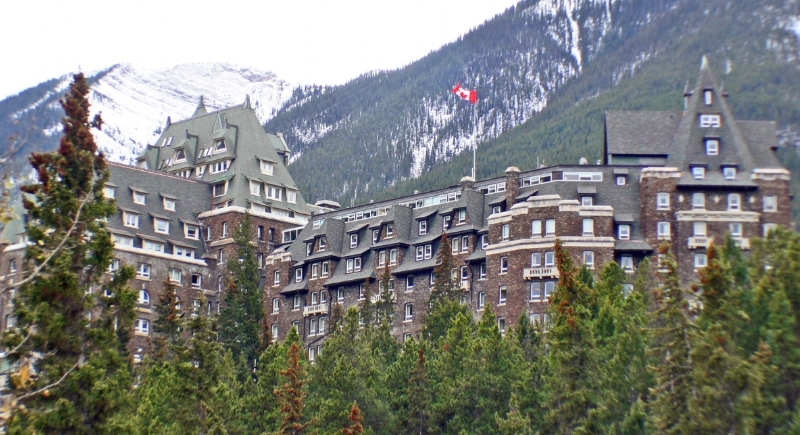
Room 873 – Fairmont Banff Springs Hotel, Canada
Credit: Wikimedia Commons
Guests on the eighth floor sometimes knock on a wall that sounds hollow. Rumors claim that this wall conceals Room 873, allegedly sealed after a family tragedy. Though the hotel doesn’t officially confirm it, people still claim to hear noises from the non-existent room.
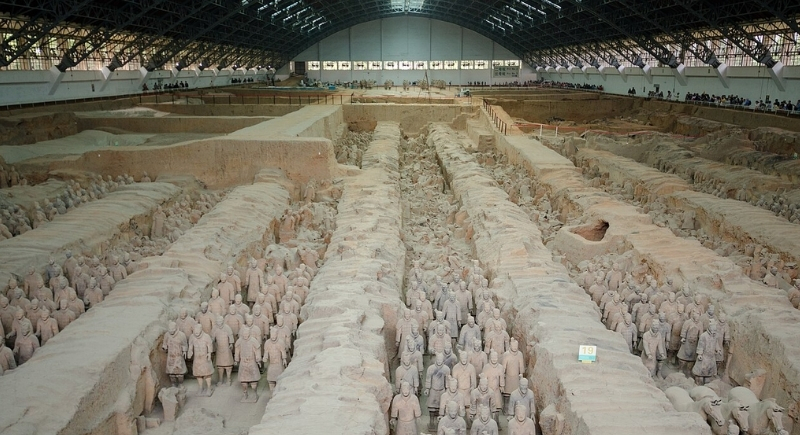
Sealed Door in Terracotta Army Site – Xi’an, China
Credit: Wikimedia Commons
When farmers uncovered the Terracotta Army in 1974, archaeologists also found a sealed door within the complex. It has remained closed ever since. Officials cite the preservation of Emperor Qin Shi Huang’s mausoleum as a reason not to disturb the structure, and local beliefs warn of misfortune if it’s ever breached.
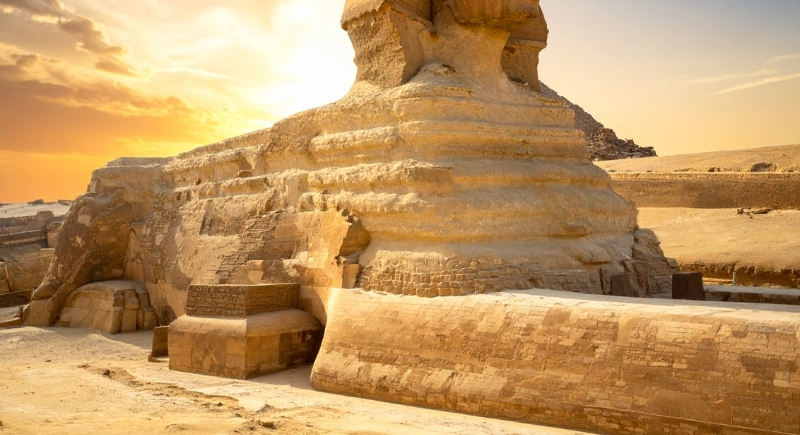
Subterranean Chamber Beneath the Sphinx – Egypt
Credit: Canva
Geological scans in the 1990s detected a rectangular chamber beneath the Sphinx’s paws. The opening was never excavated, mostly due to concerns over structural risk. But speculation hasn’t let up, with fringe theorists claiming that ancient archives or unknown artifacts could be hidden below.
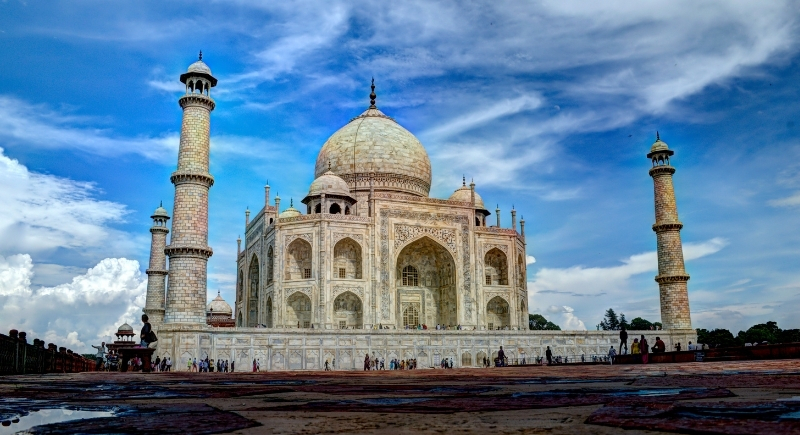
Lower-Level Chambers – Taj Mahal, India
Credit: Getty Images
The Taj Mahal’s lower level contains a series of sealed rooms behind unmarked doors. Government archaeologists cite chemical risks, which suggests disturbing the air could damage the marble above. Conspiracy theories abound, from hidden temples to lost Mughal documents.
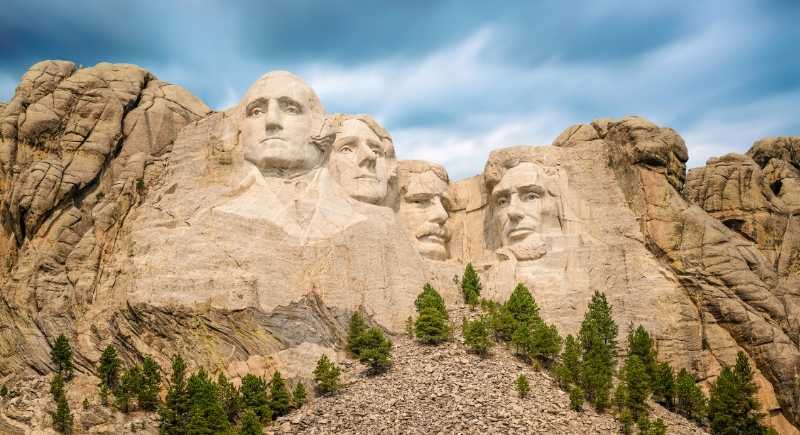
Hall of Records – Mount Rushmore, USA
Credit: Getty Images
Carved behind Abraham Lincoln’s head, this unfinished chamber was intended to house foundational U.S. documents. Sculptor Gutzon Borglum began the project in 1938, but work halted after he died in 1941. Though panels were installed in the 1990s, public access remains prohibited due to safety and structural concerns.
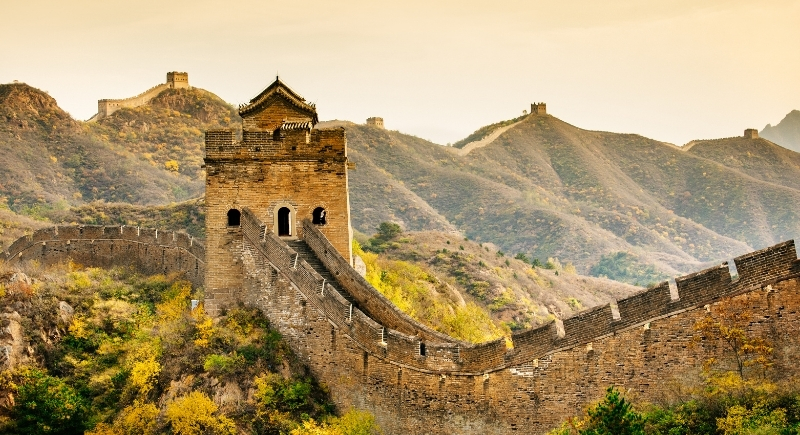
Concealed Gates – Great Wall of China
Credit: Getty Images
High-resolution mapping has identified over 200 disguised entry points across the Ming-era Wall. Many were meant for soldiers to slip out for surveillance or retreat. Today, most are buried or bricked up. Their exact locations remain closely guarded, as some may be beneath eroded or inaccessible sections of the structure.
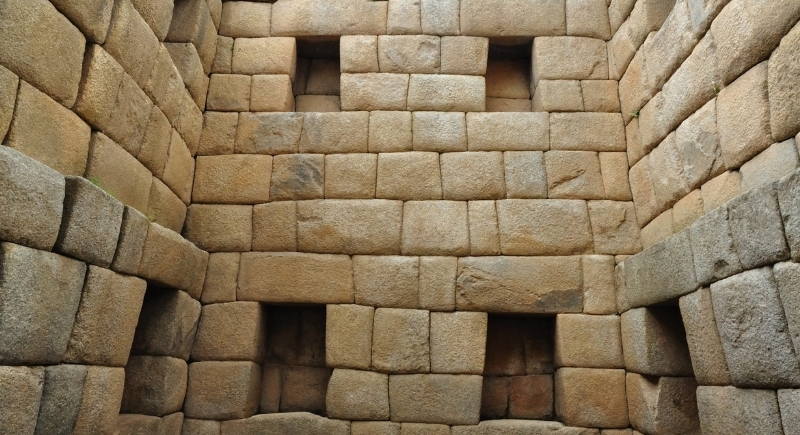
Blocked Doorway – Machu Picchu, Peru
Credit: Aflo Images
In 2010, a researcher spotted an unusually symmetrical stone wall along an overgrown trail. Radar suggested it concealed a staircase and inner rooms. Local authorities denied digging permits, citing risk to nearby structures.
Abandoned Street Entrances – Little Compton Street, London
Credit: Wikimedia Commons
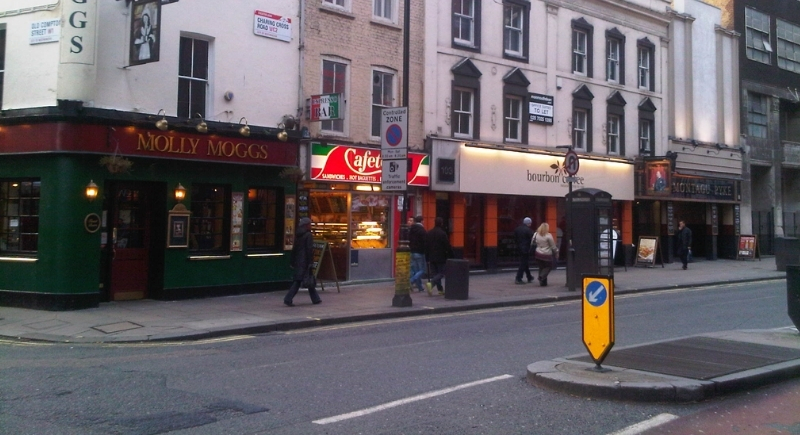
Visible through a street grate in Soho, signs for Little Compton Street point to a forgotten commercial strip buried under road development. Doors and shopfronts are located beneath the surface, sealed off and disconnected from modern access. The space is currently used for utilities, but remnants of the past remain untouched.
1998 Tunnel Discovery – Great Sphinx of Giza, Egypt
Credit: Canva
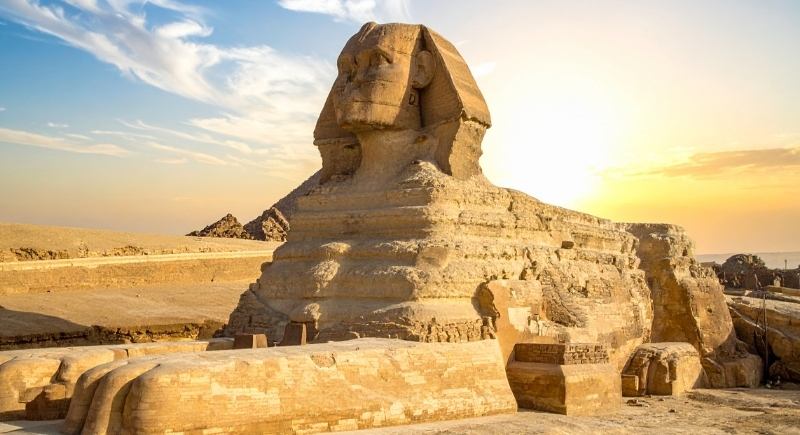
Separate from the cavity beneath its paws, another series of tunnels under the Sphinx was confirmed by a research team in 1998. The chambers appeared to have been previously excavated and refilled. Egyptologists remain divided about their purpose, and further investigation has been suspended indefinitely.