
Three field habits I use to treat faint tread like evidence, not an invitation to wander until I'm lost.
Follow the tread, not the temptation
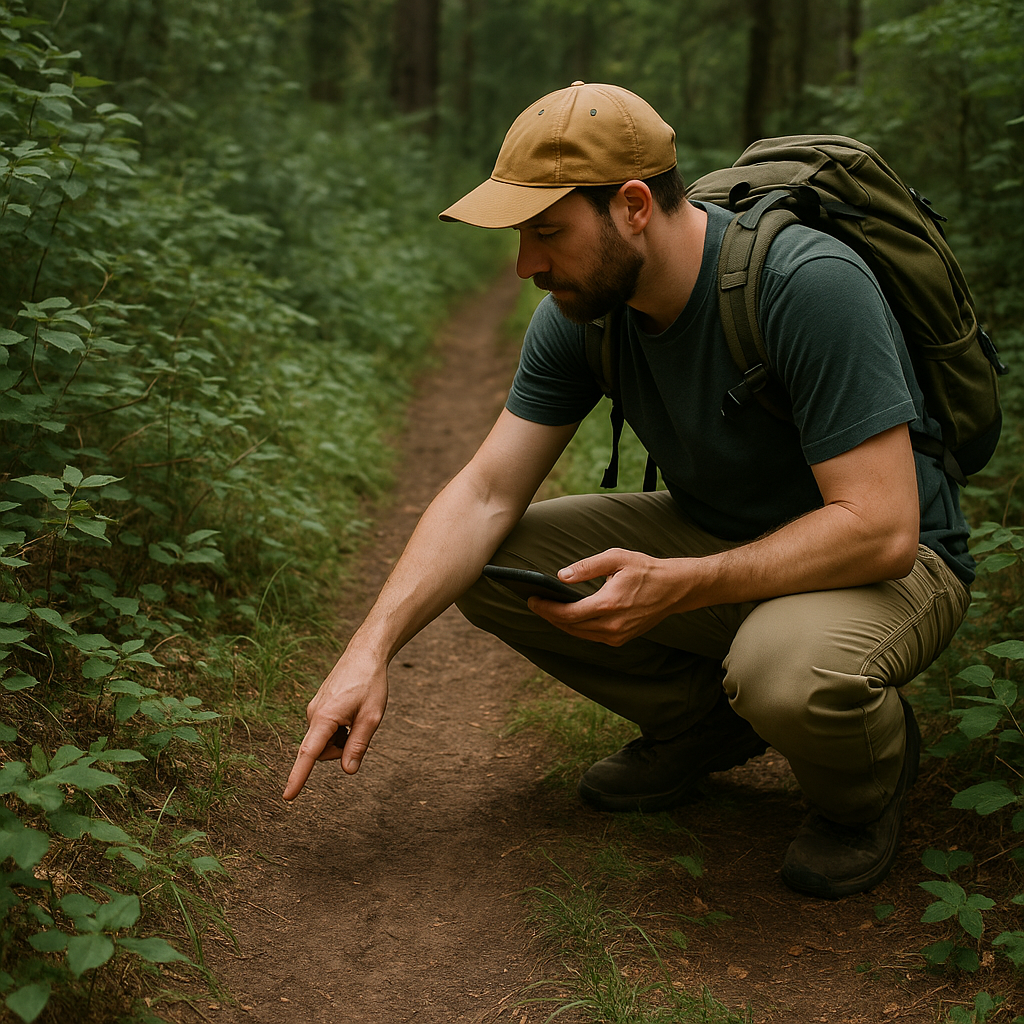
When I say I explore unmarked trails, I don't mean I chase every inviting gap in the brush. The trick is staying loyal to the thing that made you turn off in the first place: the tread. Real foot tread has a specific look and feel. It has a slightly lower center, tiny broken stems that all lean the same direction, and corners where the dirt is polished a shade darker from repeated steps. Animal tracks don't do corners the same way. They meander, they funnel into one perfect game trail for 50 yards, then they explode into five options the moment the terrain changes.
Here's my rule in the field: if I can't point to three consecutive signs of human travel, I stop calling it a trail. The three I'm looking for are (1) consistent width, even if it's narrow, (2) repeated scuffing on rock or roots at ankle height, and (3) a line that holds through obstacles, like it goes around a blowdown the way a person would choose to go around it. When the "trail" turns into a vibe, I don't push forward to see if it comes back. I back up to the last spot where the evidence was obvious, then I decide from there.
And yes, I use my phone. In Gaia GPS or OnX Backcountry, I'll drop a waypoint the moment I step off the maintained trail, not because I'm afraid of getting lost but because I want a clean return line if this turns into a dead end. I also screenshot the map tile when I'm in service at the car, because the one time you assume you'll remember the junction is the time everything looks different in late-afternoon light.
The 60-second junction audit I do before committing
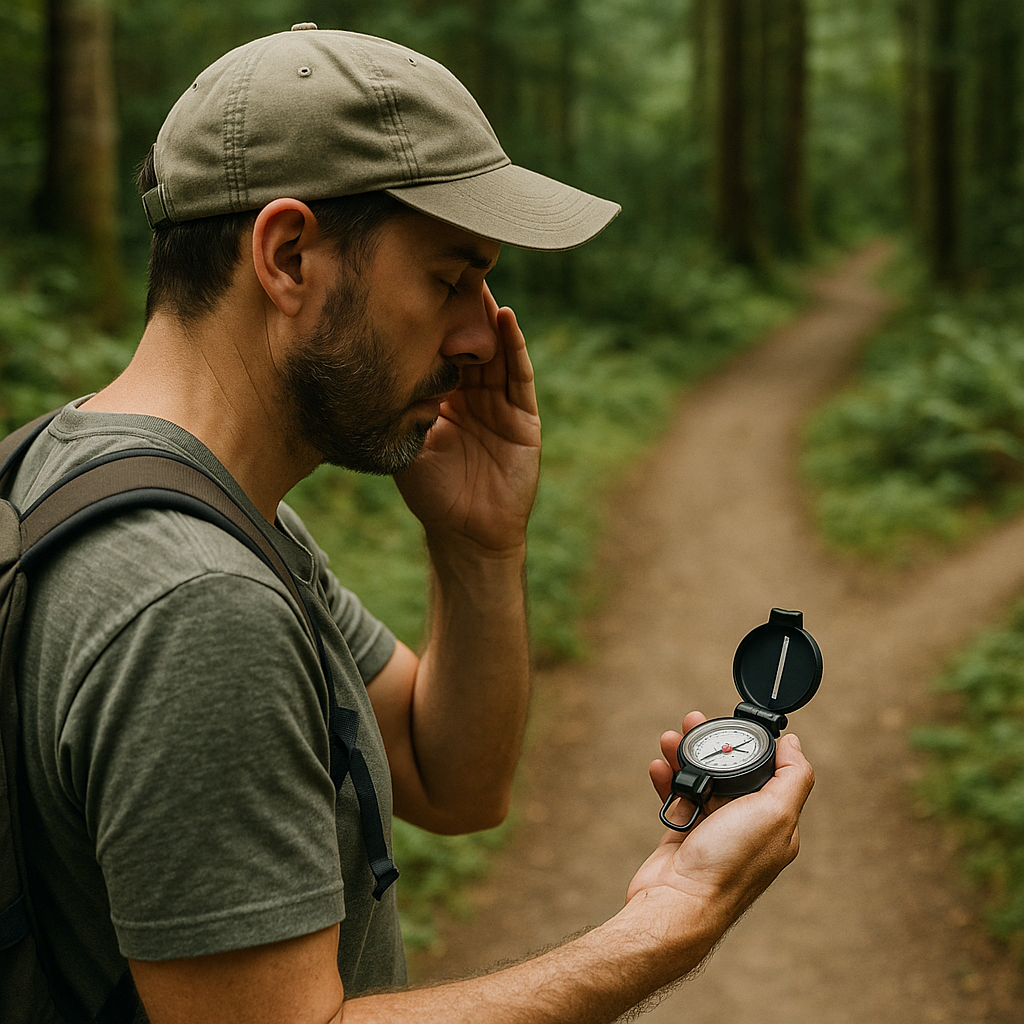
Unmarked trail exploration has one moment that keeps coming back: you hit a junction that isn't marked, and both options look like they've seen boots. If you just pick the one that feels right, you can walk a long time on someone else's shortcut before you realize you're no longer following your plan. So I do a quick junction audit, and I do it the same way every time because my brain gets optimistic when the day is going well.
- Stop moving and listen. I know that sounds dramatic, but it's practical. If I can hear the maintained trail (voices, a dog collar, even that faint tire-hum from a distant road), I note the direction before I walk deeper into quiet.
- Look for maintenance fingerprints. Even on unofficial routes, you sometimes see a lopper-cut branch end, a saw-cut blowdown, or a rock that has clearly been kicked into place as a step. I'm not looking for a perfect corridor. I'm looking for a human decision repeated over time.
- Check the grade and the water logic. People tend to build or adopt lines that avoid steep fall-line climbing when a sidehill traverse exists. Also, trails that dive straight into a drainage without a good reason are suspicious. Water wins; tread loses.
- Confirm with tools, briefly. Compass comes out for ten seconds to see if one option roughly matches the bearing of where I'm trying to go. Then I glance at the topo on my phone for the next obvious handrail: a ridge crest, a creek bend, a saddle.
If the audit doesn't clearly favor one branch, I don't pretend I'm being adventurous by guessing. I walk 30 to 60 yards down each option and look for which one stays coherent. A real line will keep being a line. A wrong one often fades into scattered footprints, social braids, or the kind of crushed fern patch that says, "people stand here and argue." Then I commit. Calmly. No theatrics. I just like knowing why I'm choosing what I'm choosing.
How I turn around without erasing the route behind me
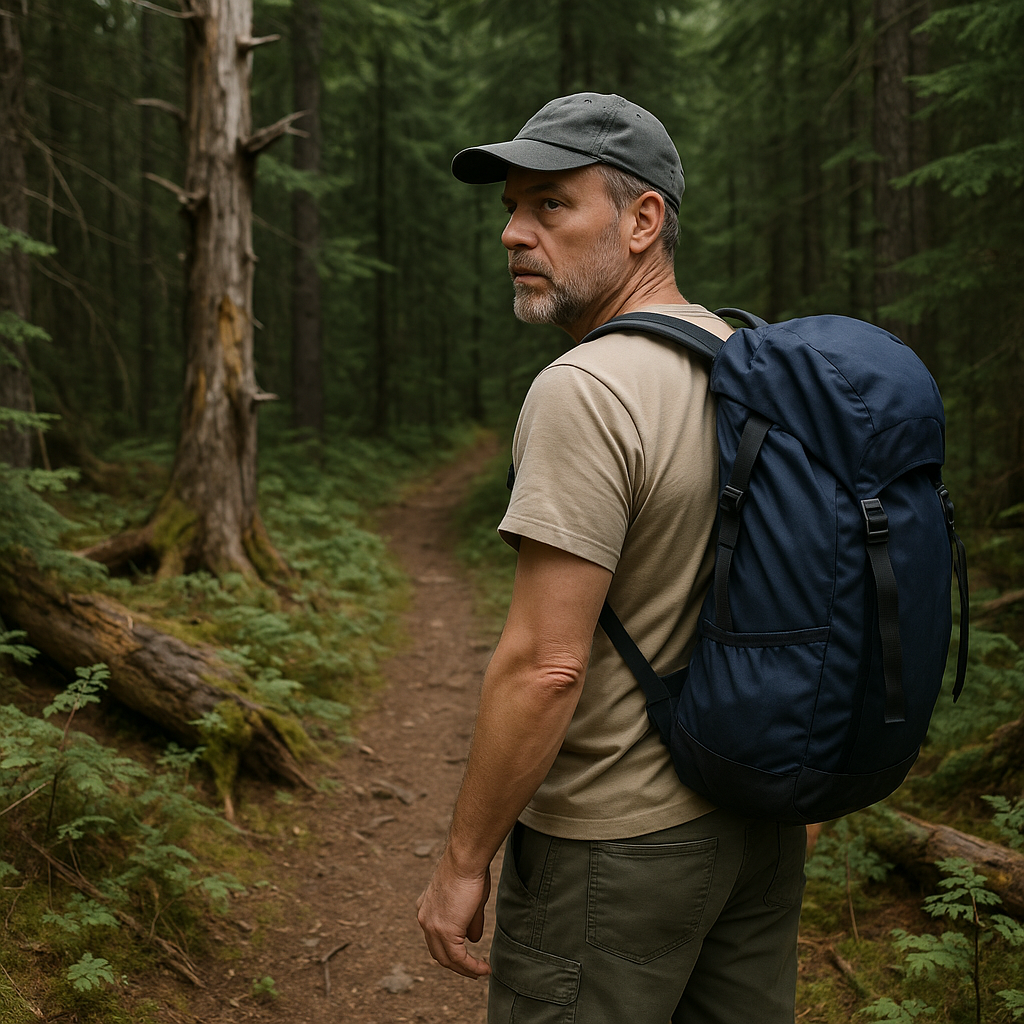
People talk about bushwhacking like it's all bravado, but most of my time on unmarked routes is spent doing the opposite: making sure I can leave cleanly. Not "leave no trace" in the slogan sense, but literally leave without having to thrash around recreating the last hour. If you're following faint tread, the return trip is where it can get weird. Landmarks flip. That little notch you noticed on the way in vanishes when you're looking at it from the other side. And the tempting line downhill is almost never the line you came up.
I do two things that feel almost silly until you need them. First, I practice the return view while I'm still going out. Every so often, I stop, turn around, and take in what the trail looks like backwards. Not a photo every time, just a quick scan: that dead snag on the left, the rock with a pale stripe, the way the tread sneaks behind a root instead of over it. If I hit a spot where the tread is fragile, like it runs through duff and disappears unless you're standing on it, I drop a waypoint and name it something blunt like tread fades so I'm not decoding my own poetry later.
Second, I refuse to improve the route with my body. When the line gets vague, it's tempting to stomp around until you rediscover it. That's how you create a wider, uglier social trail and still don't solve your navigation problem. I stop on the last obvious tread, check my track, and backtrack on purpose if I need to. If my phone battery is a concern, I put it in airplane mode and keep the screen time short. A small power bank helps, but honestly, discipline helps more.
And I turn around earlier than my ego wants. If I've been off-map long enough that I'm starting to negotiate with daylight, I call it. There's always another day to push further. The only souvenir I want from these side routes is a good line on my map and a clean walk back to the car.