The Ultimate Planning Guide to Exploring the Soaring Peaks and Wild Rivers of Grand Teton
At Grand Teton National Park, a short hike can end beside a lake, and a simple drive may quickly turn into a wildlife sighting when a moose appears near the road. Although the park is right next to Yellowstone National Park, the experience feels very different. Its sharp mountain peaks, calm rivers and lakes, and constantly changing light make the scenery stand out. Planning ahead and staying flexible can make the trip far more enjoyable.
Time Your Trip Wisely
Credit: Getty Images
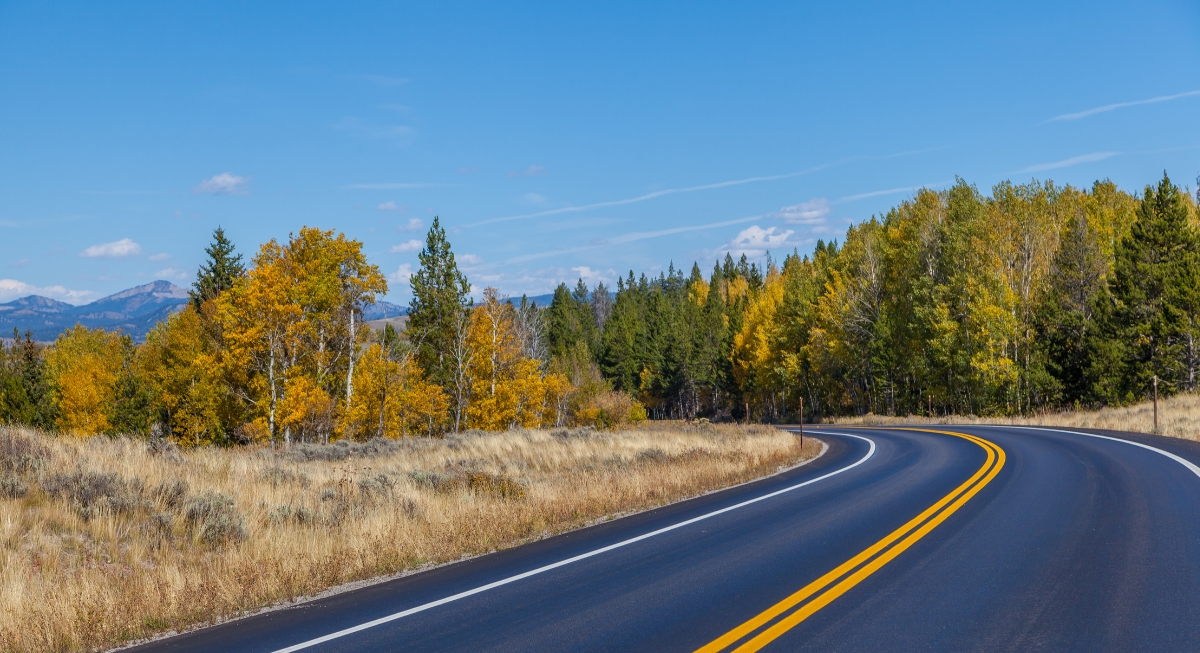
July and August offer the best trail access in Grand Teton, though parking lots fill up early. Visitors heading out in May, September, or October will find cooler weather and fewer crowds. The winter season requires extra preparation due to widespread road and service closures, but the area remains popular for snowshoeing and cross-country skiing. In spring, cyclists enjoy a short window on Teton Park Road before vehicle traffic resumes.
Check The Road Situation
Credit: Getty Images
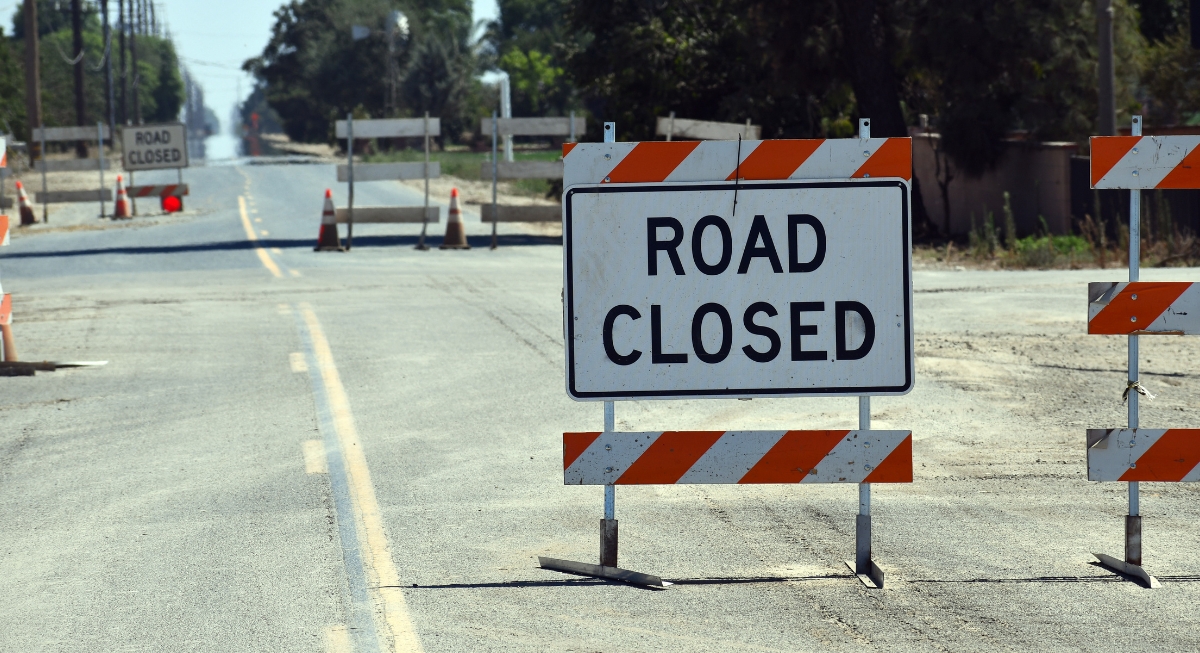
Check the park’s current conditions page before the mountain views distract you. Seasonal closures, sudden weather delays, and construction projects that impact trailheads are quite common at Grand Teton. In 2026, active work near the Moose Entrance Station and Death Canyon access points will likely alter planned routes. Taking five minutes to look online should prevent the frustration of being stuck in the car with a full trunk.
Understand The Mountains
Credit: Canva
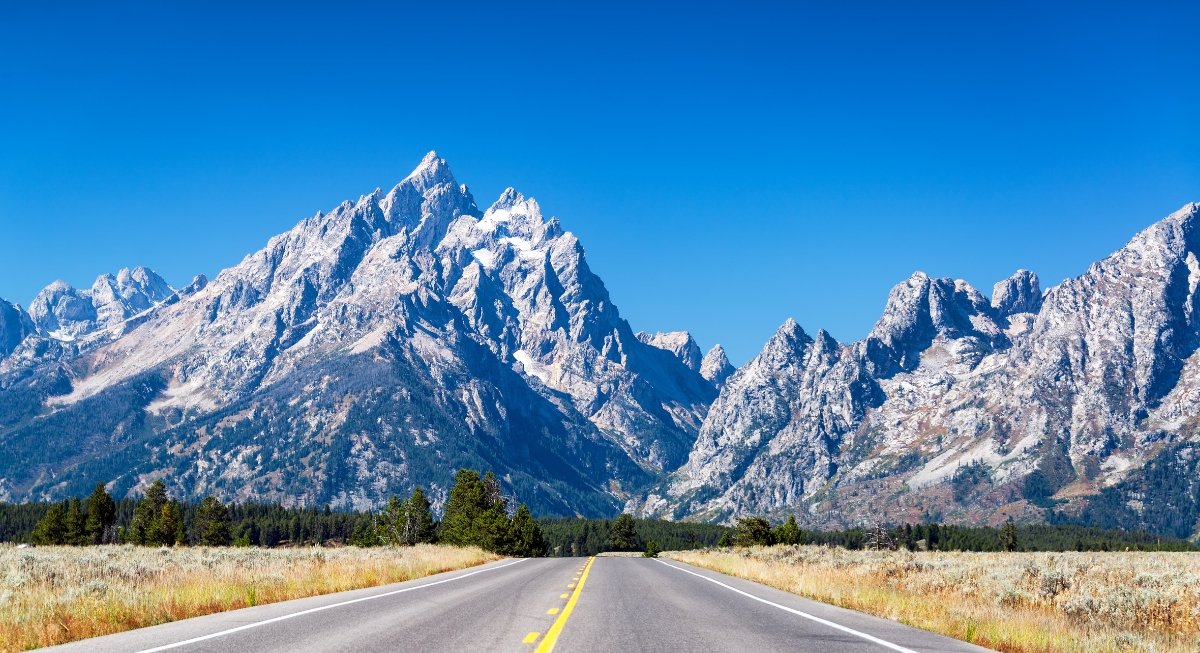
The Teton Mountains may look ancient, but their story is more complicated than most visitors expect. The rocks themselves formed nearly 2.7 billion years ago, while the mountain range only began rising around 10 million years ago. Glaciers later carved through the landscape and shaped the sharp ridges and dramatic peaks seen today. This has resulted in a mountain range that rises suddenly from the valley floor and creates the striking views that make entering Jackson Hole unforgettable.
Aim For A Sunrise Stop
Credit: Wikimedia Commons
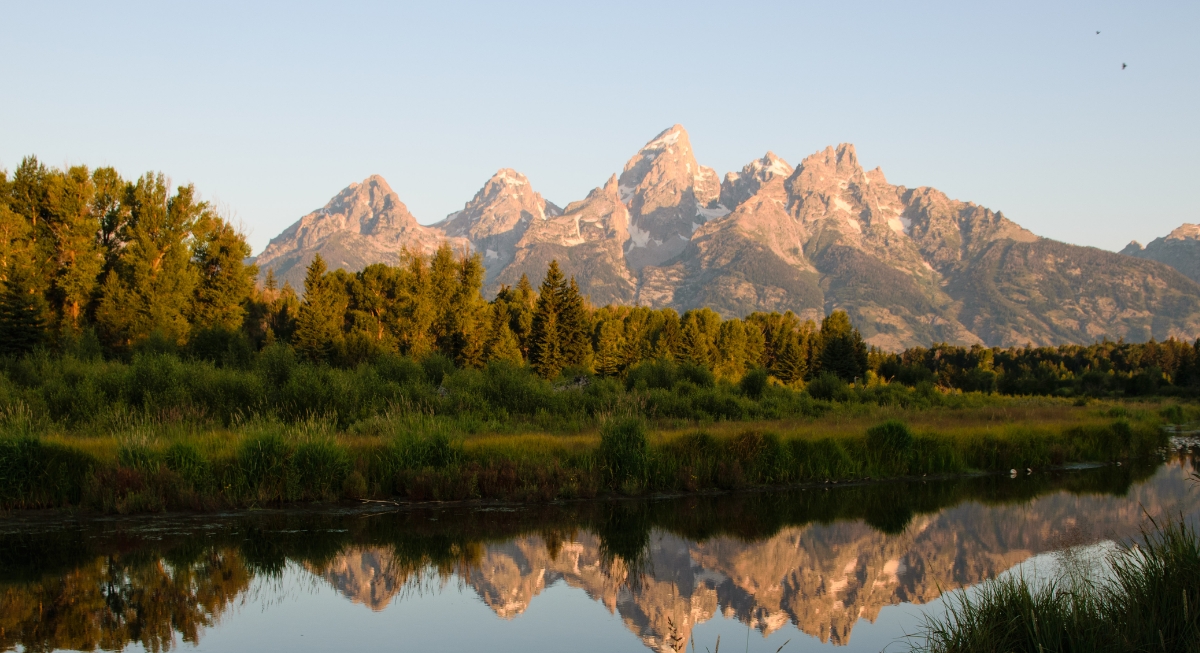
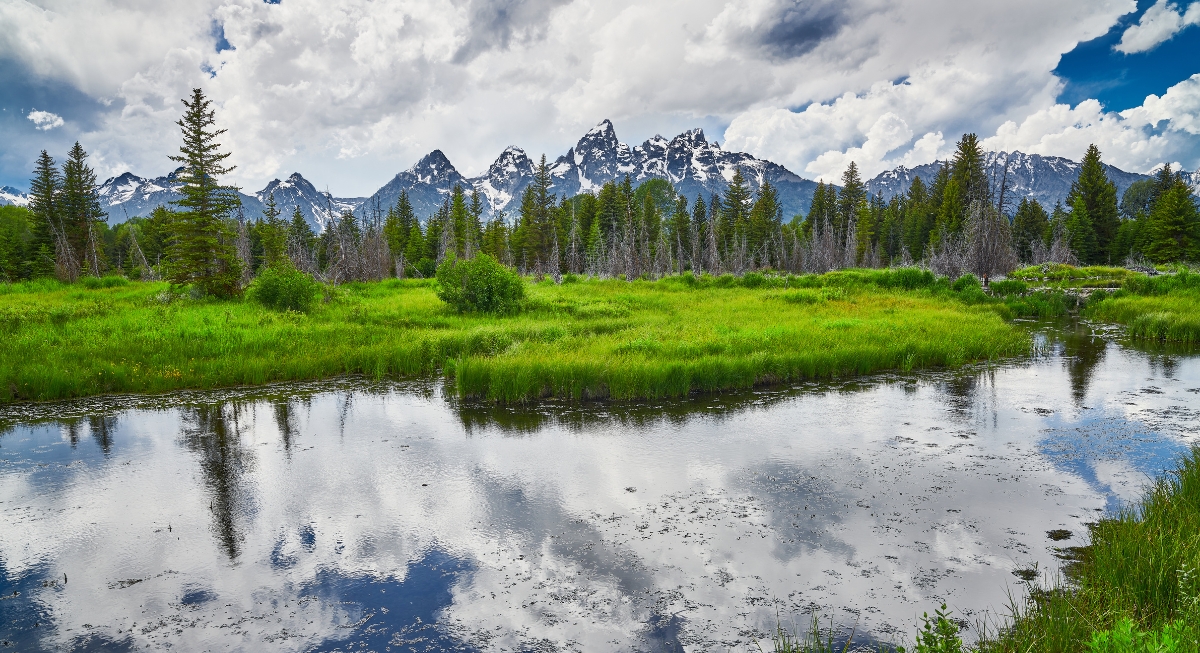
Schwabacher Landing provides a massive payoff with almost zero effort. The viewpoint is located just steps from the parking area, where ponds along the Snake River create a perfect mirror for the Teton Range. Morning light hits the peaks beautifully. Even a tired traveler with a phone camera can take a stunning photo of the view before heading off to breakfast.
Try Taggart Lake First
Credit: Canva
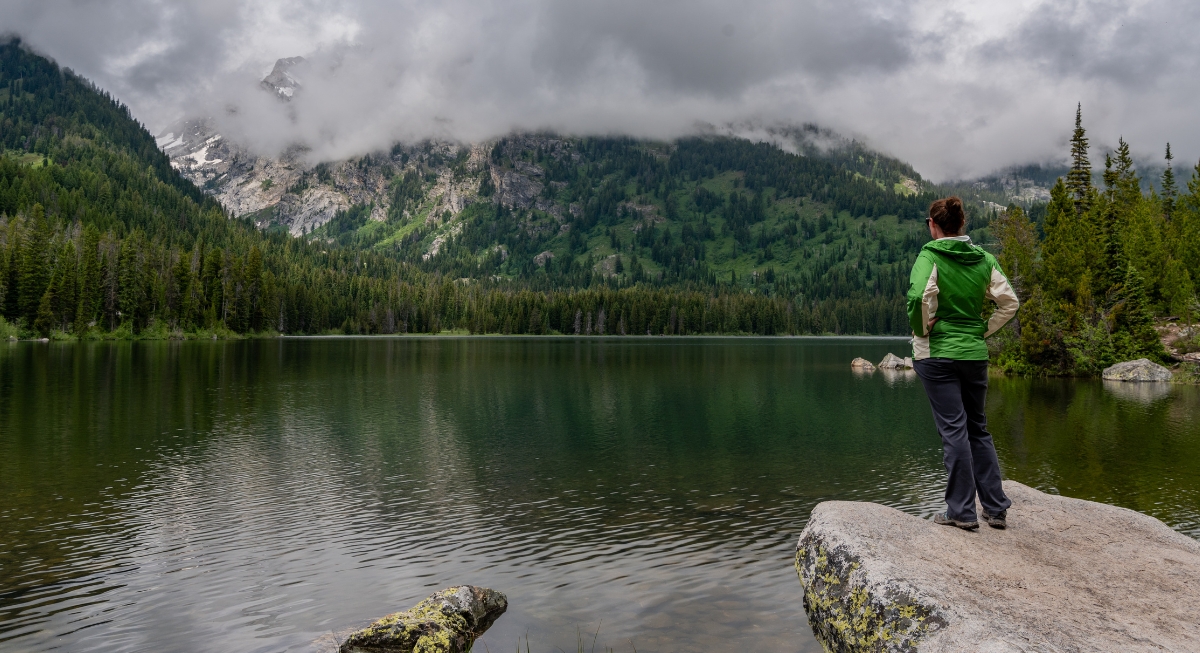
Taggart Lake is one of the park’s most approachable hikes, though 2026 construction closures have forced visitors to use longer alternate access routes. In a typical season, the trail is about 3 miles round trip with just over 300 feet of elevation gain. The route passes footbridges, aspen groves, and wide mountain views before reaching the lake. Visitors looking for a longer outing can usually connect the trail to Bradley Lake to create a scenic 5.6-mile loop.
Make Time for Jenny Lake
Credit: Wikimedia Commons
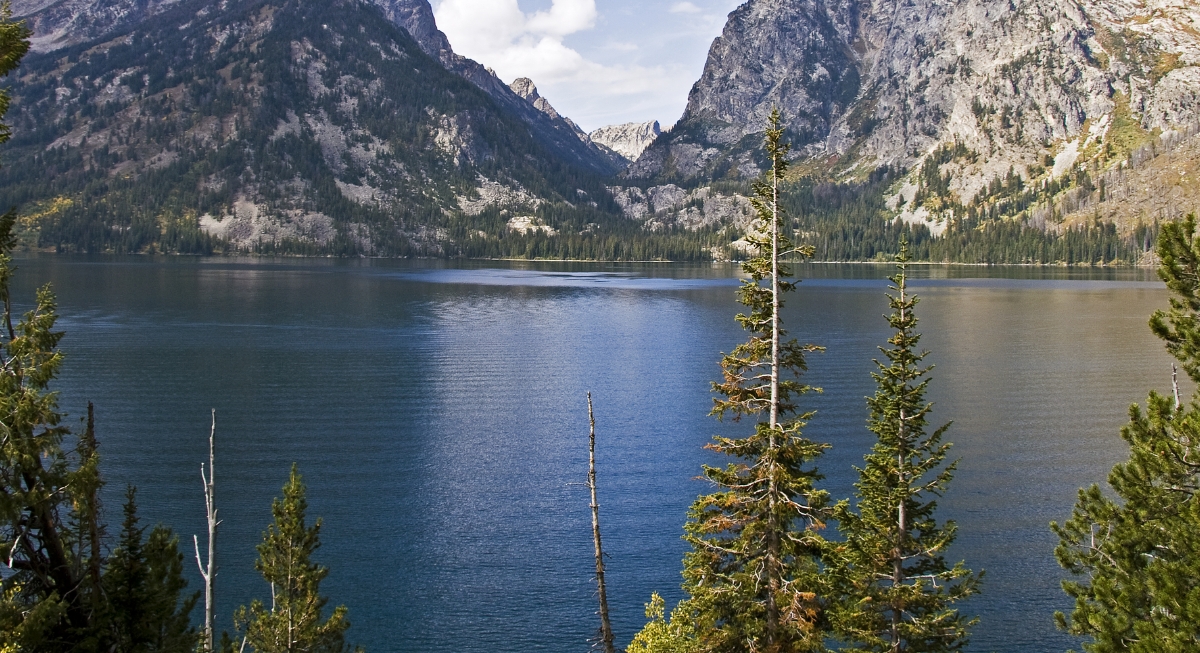
Jenny Lake may look small on a map, but it deserves more than a quick stop. Taking the shuttle boat saves time and makes it easier to reach popular spots like Hidden Falls, Inspiration Point, and Cascade Canyon without a long hike. The area gets crowded fast during peak season, so arriving early gives visitors a better chance to enjoy the shoreline before the busiest hours begin.
Respect The Wildlife
Credit: pexels
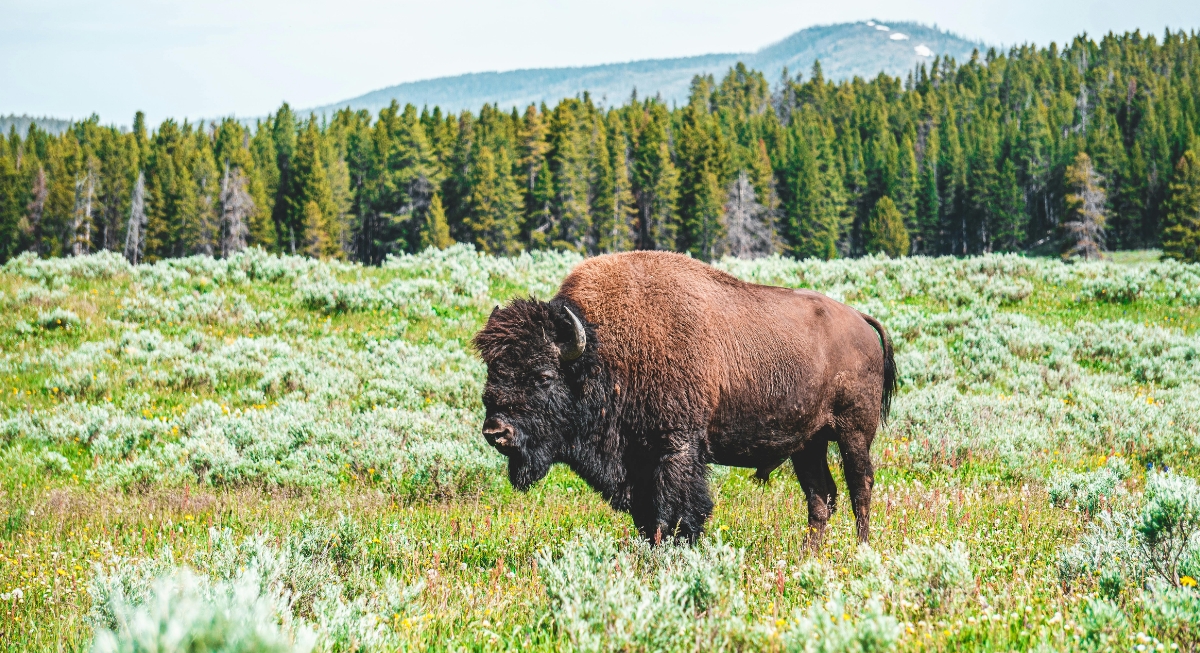
A drive through Grand Teton offers sudden, thrilling wildlife encounters. The valleys and rivers are home to large populations of elk, bison, moose, and eagles. Safety rules require staying 100 yards away from bears or wolves, and 25 yards from all other animals. Drivers should slow down during dawn and dusk, since animals cross frequently during these hours, and it’s hard to see them in the dim lighting.
Float The Snake River
Credit: Getty Images
Try a peaceful float down the Snake River for a more relaxed outing. One of the most popular guided routes runs about 10 miles from Deadman’s Bar to Moose Landing and usually takes two to three hours. Along the way, guides point out wildlife, explain the park’s history, and take visitors through scenery that is difficult to see from the main roads. Morning trips are typically smoother and calmer, while afternoon winds can make the river noticeably rougher.
Plan For Serious Backpacking
Credit: pexels
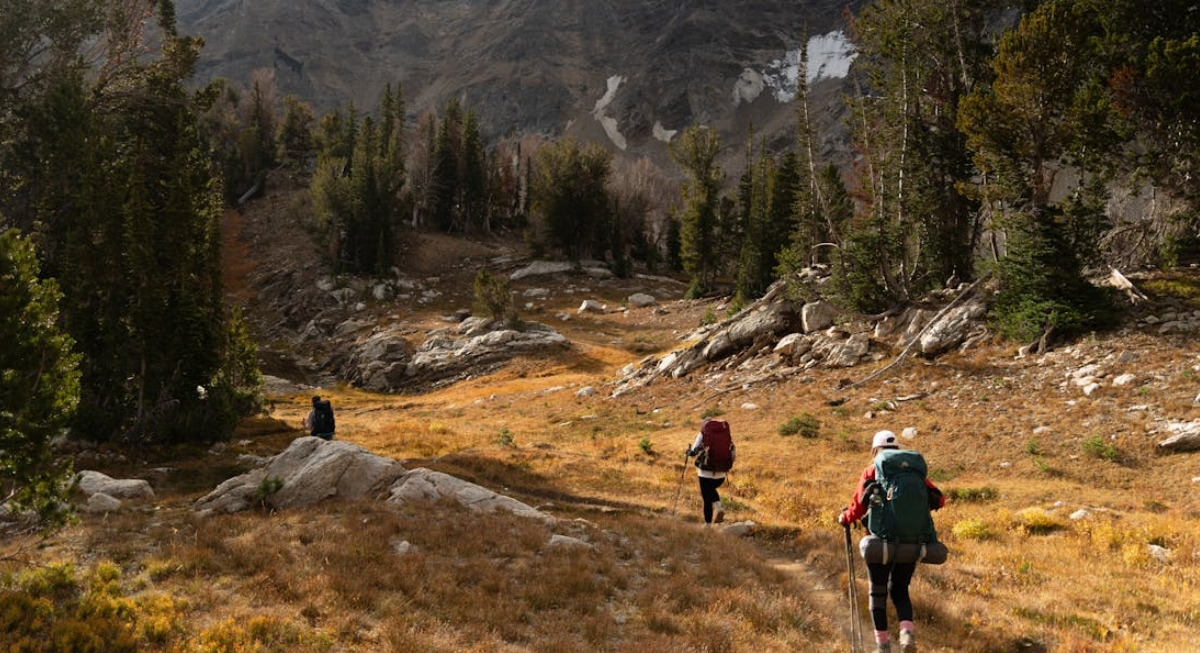
The Teton Crest Trail is built for serious backpackers. This rugged 40-mile path cuts through high-altitude terrain and takes three to five days of trekking to reach. Securing the mandatory backcountry permits requires planning, especially during peak summer months. Prepared hikers get an intimate look at the mountain range, complete with long climbs and remote camps miles away from the tourist crowds.
Sort Out Lodging Early
Credit: Tripadvisor
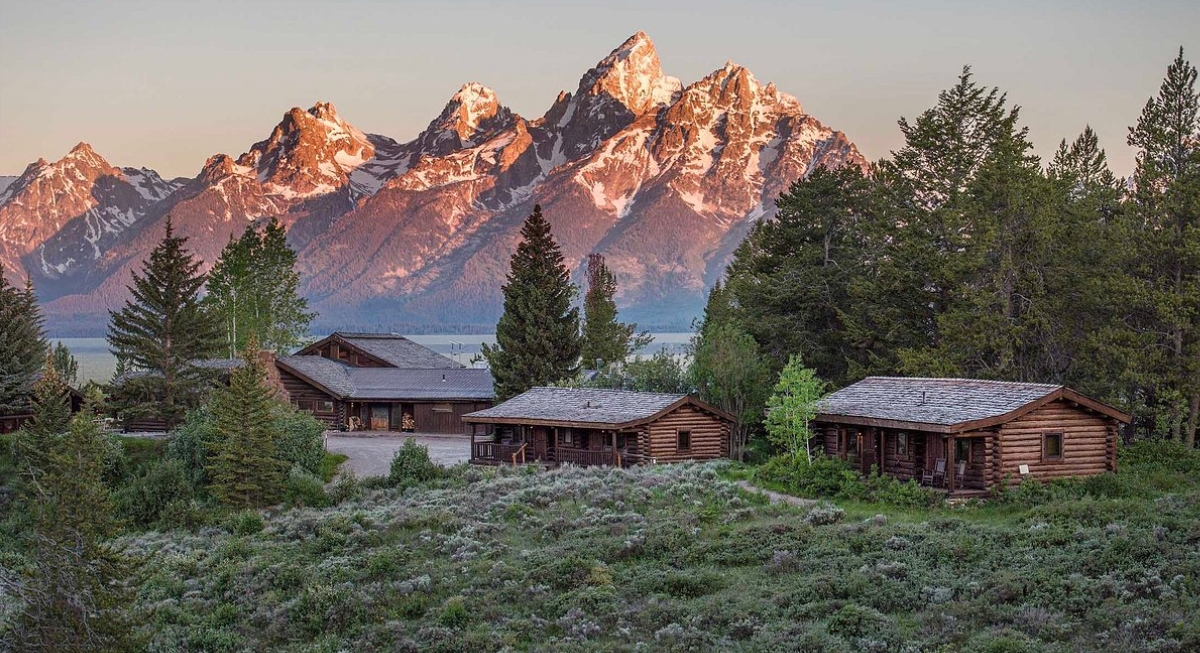
Lodging and campsites fill up fast during the peak season at Grand Teton. Visitors can reserve park campgrounds and cabins directly on Recreation.gov. For more options, Jackson is about 20 miles south of Moose Junction, with the Moose Entrance Station roughly another mile west. There, you’ll find plenty of hotels and restaurants. Teton Village provides another great base camp near the Granite Canyon gate.
Know The Access Rules
Credit: Tripadvisor
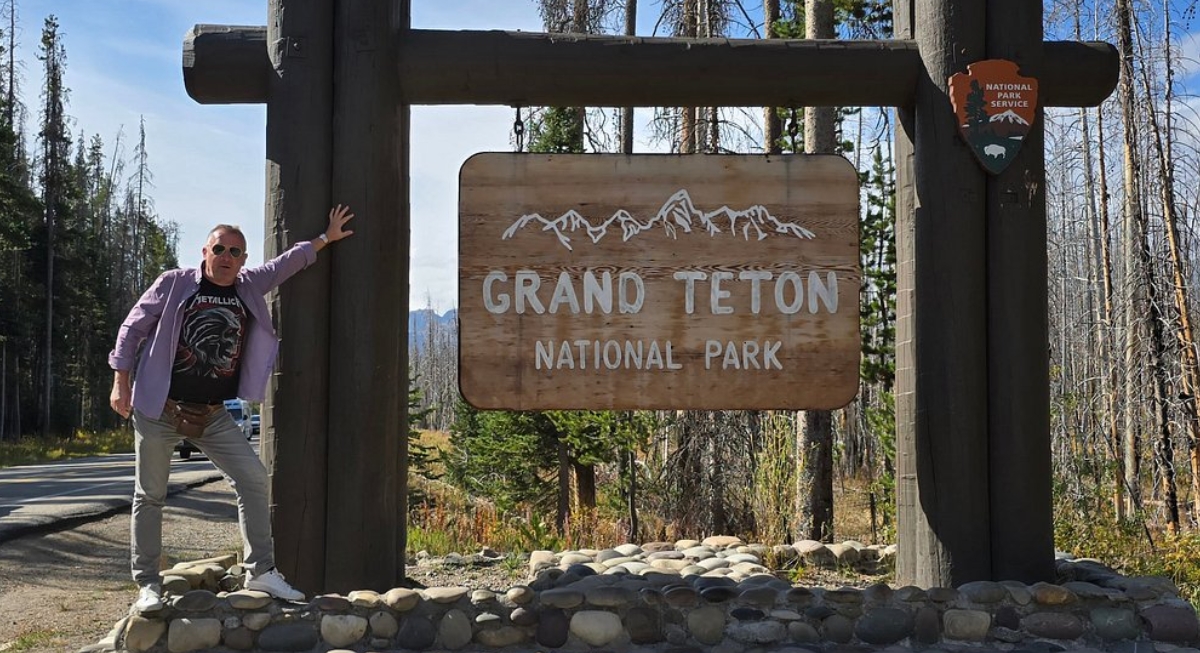
Grand Teton National Park has accessible visitor centers, lodges, and campgrounds, but rugged terrain limits wheelchair options on standard trails. The paved multi-use pathway connecting Jackson to South Jenny Lake provides an excellent accessible route. However, pets are subject to strict rules and must stay on a leash. Animals cannot join you on trails, inside facilities, on swimming beaches, or in backcountry areas. Pets are allowed on boats on Jackson Lake, but are prohibited on other park waters.