Two Cities Were Just Named Top Spots For Remote Work This Year
Remote work has changed what people expect from a city. It is no longer just about tourism or business districts. What matters now is whether a place can actually support everyday work on the move, from stable internet and affordable workspaces to easy transport and comfortable stays.
A new 2026 ranking highlights the cities that best manage this balance. With the World Cup about to bring massive crowds to North American cities, remote workers need more than just a great stadium and a lively downtown. They need places where they can actually answer emails, jump on video calls, find a desk, and get a good night’s sleep without draining their savings before the match even starts.
Why Houston And Philadelphia Stood Out
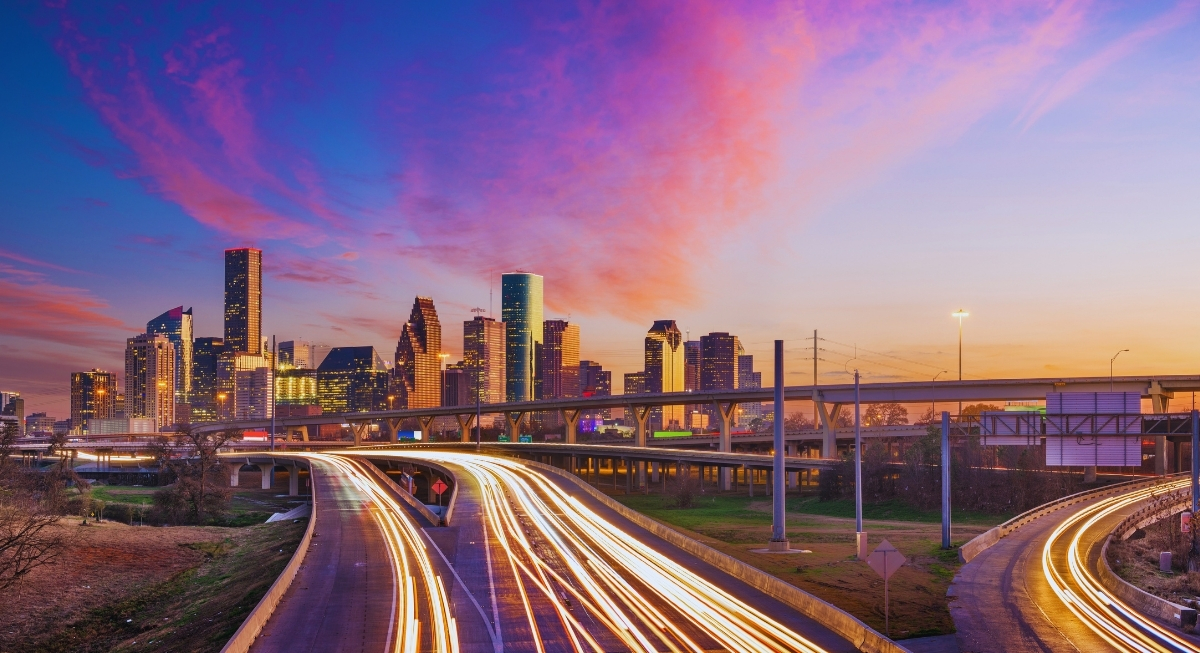
Image via Getty Images/Sean Pavone
A 2026 remote-work study by 20i looked at all 16 FIFA World Cup host cities across the U.S., Canada, and Mexico. They measured 10 key factors for working travelers, including internet speed, coworking spaces, lodging, safety, healthcare, and cybersecurity. Toronto and Vancouver took the top two spots overall, but Houston placed third and Philadelphia fourth, with both scoring 146.7 out of 250. That made them the highest-ranked U.S. cities on the list.
This is a big deal because the U.S. has plenty of flashier World Cup stops. Cities such as Los Angeles, Seattle, and the San Francisco Bay Area may seem like obvious picks, but 20i ranked them near the bottom for this specific remote-work-and-World-Cup index. Yet Houston and Philadelphia won out because the ranking focused on practical balance rather than hype.
Remote Workers Need A City That Works Before It Entertains
Remote work is no longer just about the idea of working from anywhere. It depends on whether a city can actually handle the basics of daily work, including legal requirements, visas, taxes, housing, and access to reliable coworking spaces, as noted in Skuad’s remote-work travel guide.
This is where Houston and Philadelphia stand out. The 20i report highlights strong performance in connectivity, accommodation, and digital security. Across the U.S., cities like Boston, New York, Dallas, and Houston also record internet speeds above 175 Mbps. For people on constant video calls, that level of speed matters more than a well-known skyline.
This ranking comes at a perfect time because big sporting events create a unique kind of traveler. Some fans will take total time off and unplug completely. Others have to keep working between matches, fan festivals, and hotel check-ins. That second group needs a city that can handle both sides of the coin.
Houston and Philadelphia offer traveling professionals just that.