The Top Screen-Inspired Travel Destinations for 2026
Screen travel works best when recognition gives way to reality. A location might draw attention because of a film or series, but what keeps people there is how it behaves once the cameras are gone. Here are 10 places worth traveling to in 2026, shaped in part by what people have seen on screen.
Tuscany, Italy
Credit: Getty Images
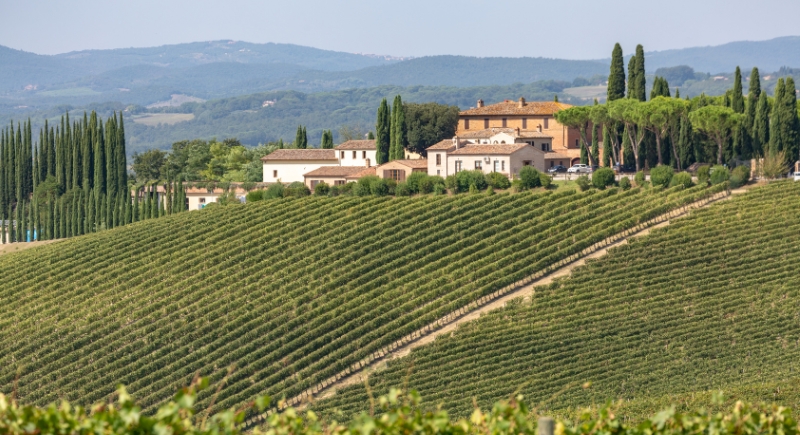
People don’t go looking for Tuscany because of one specific scene. Movies like Jay Kelly simply remind viewers of places that already exist exactly as shown. Towns such as Montecatini Terme and San Quirico d’Orcia weren’t altered for filming, which is why visitors don’t need a map of locations to recognize what they saw on screen.
Dalmatian Coast, Croatia
Credit: Wikimedia Commons
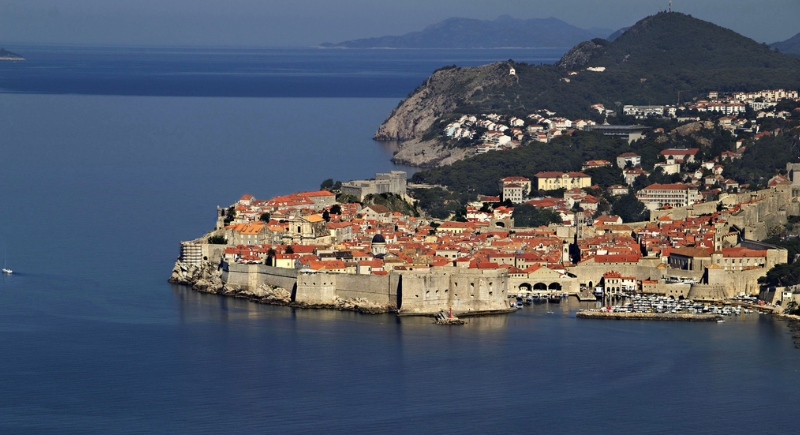
Dubrovnik still pulls in fans of Game of Thrones, but the surprise usually comes after arrival. King’s Landing looked vast on television. The Old City is not. It’s compact, busy, and easy to cross on foot. Once tourists leave the walls, daily life quickly shifts toward ferries, marinas, and residential streets.
Los Angeles, California
Credit: pexels
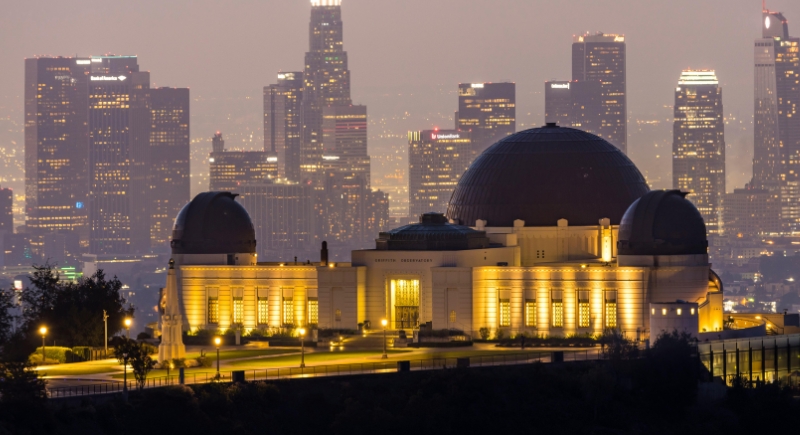
Instead of chasing a single famous scene, many visitors notice Los Angeles through accumulation. A corner looks familiar because it showed up in La La Land, then again in Heat, then somewhere else on television. The overlap makes Los Angeles easy to recognize without ever turning it into a checklist destination.
Wellington, New Zealand
Credit: pexels
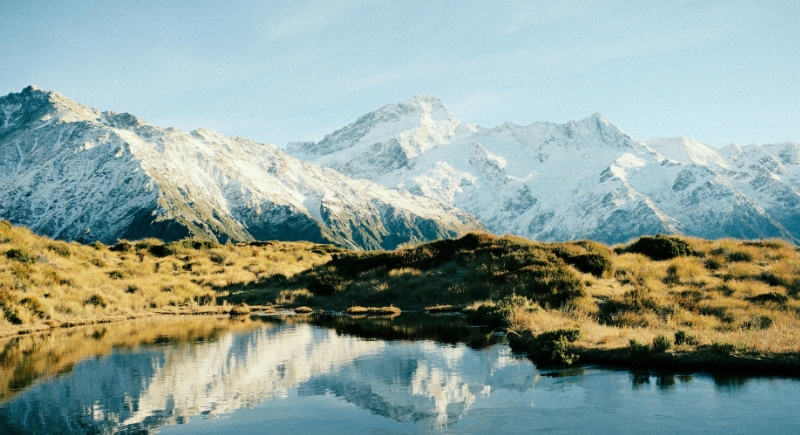
Wellington’s connection to film shows in its daily routine. Since Wētā FX became central to projects like The Lord of the Rings, film work settled into the city. Studios, offices, ferries, and cafés all operate on the same schedule.
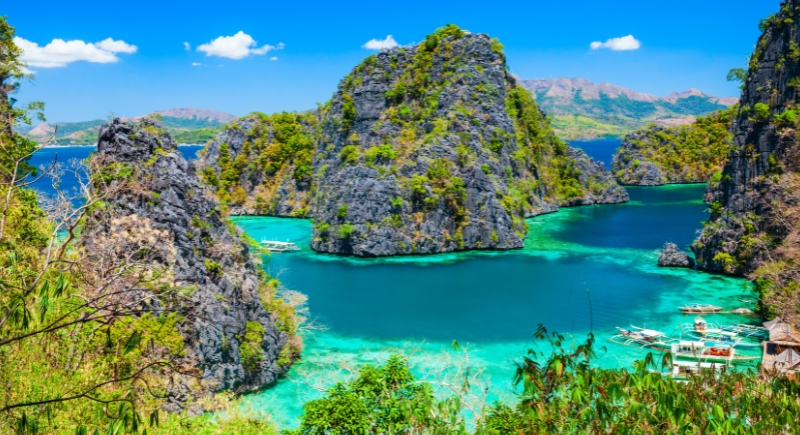
Palawan, Philippines
Credit: Canva
Interest in Palawan spiked after appearances in shows like The Last Resort, but the draw fades quickly once travel logistics take over. Moving between islands takes time, patience, and flexibility. Visitors tend to stop thinking in terms of scenes and start thinking in terms of access, weather windows, and how far they’re willing to go.
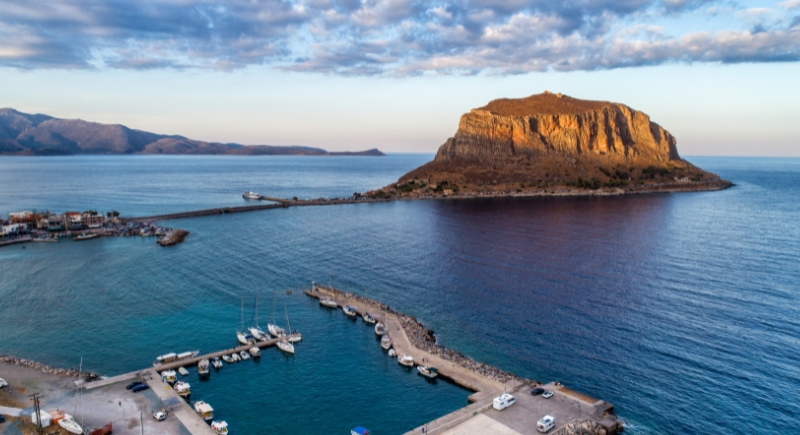
Peloponnese, Greece
Credit: Getty Images
Filming for Christopher Nolan’s The Odyssey brought temporary attention to the Peloponnese, but the shoot relied on what was already there. Ports, coastal roads, and archaeological sites doubled as sets without major alteration. Locations were chosen for access and scale, not because they needed to be transformed for the camera.
Yorkshire, England

Credit: Getty Images
Yorkshire keeps ending up in period dramas for a practical reason: it hasn’t been modernized evenly. Stone housing stock, rail lines, and town layouts from the 19th century are still intact across large areas. Productions reuse the same villages to represent entirely different eras.
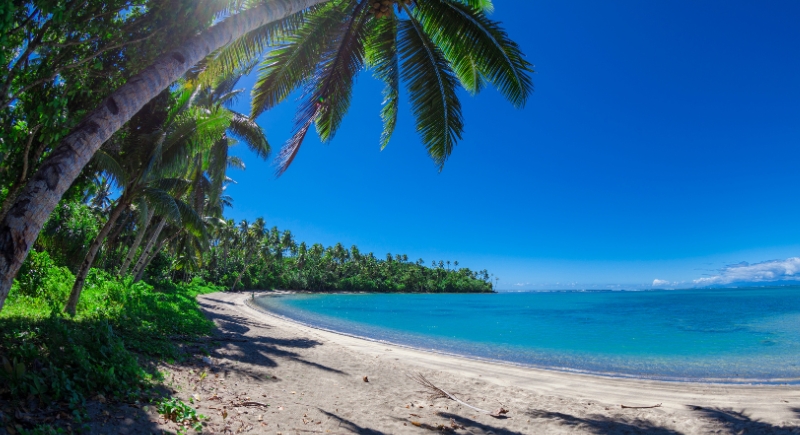
Samoa
Credit: Getty Images
Disney’s Moana pulled heavily from Polynesian culture, which is why Samoa often gets mentioned alongside it. The filmmakers worked with cultural advisors and studied village design, seafaring traditions, and oral history. What connects Samoa to the film is reference and research, not specific places visitors can trace back to a scene.
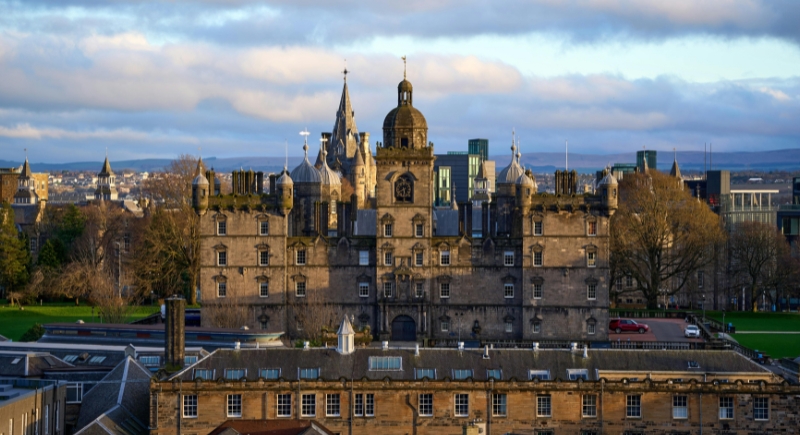
Edinburgh, Scotland
Credit: pexels
Interest in Edinburgh often gets traced back to Harry Potter, even though the films weren’t shot there. J.K. Rowling wrote early chapters while living in the city, borrowing its visual density. The influence shows in street scale and vertical layering.
Salzburg, Austria
Credit: Getty Images
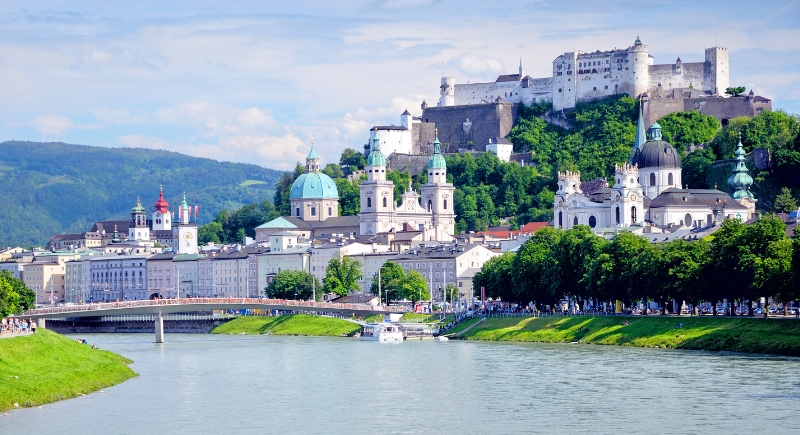
Salzburg keeps getting tied to The Sound of Music mostly because of how compact it is. The meadows, lakes, and palace grounds used in the film are close to the historic center, so crews didn’t have to travel far. That same layout makes those locations easy to stumble across without planning around tours.