9 Disturbing Facts About Unknown Tree Intelligence
Trees, or forests for that matter, hardly seem like they’ve got anything interesting going on, given that they mostly stay still. However, underground, forests run a full-time operation that can involve sharing food, sending warnings, waging chemical wars, and passing down inheritances. Scientists have spent years figuring out what trees do when nobody’s paying attention, and these 10 findings prove that it’s a lot.
The Underground Internet Nobody Knew About
Credit: pexels
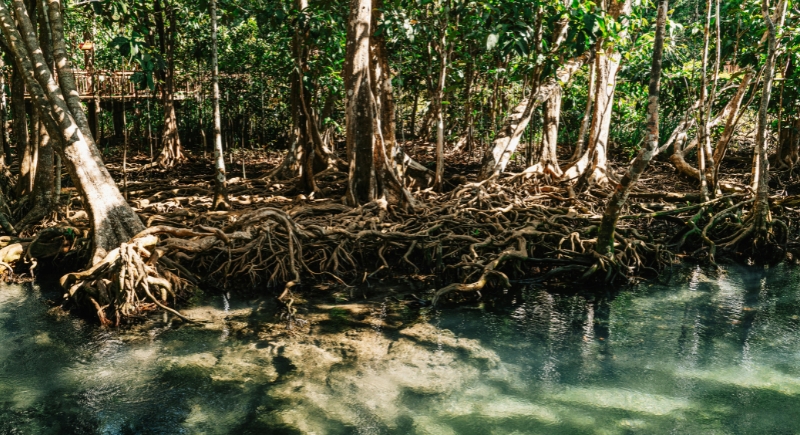
Forests have had their own network system for millions of years. A massive web of fungal threads known as mycelium lives in the soil, physically linking tree roots across the forest floor. Trees pump sugars into this network, and the fungi ship back minerals such as phosphorus and nitrogen. Ecologist Suzanne Simard, who first described this system in the 1990s, implied that the forest is an interconnected community.
Mothers Who Feed Their Kids Underground
Credit: pixabay
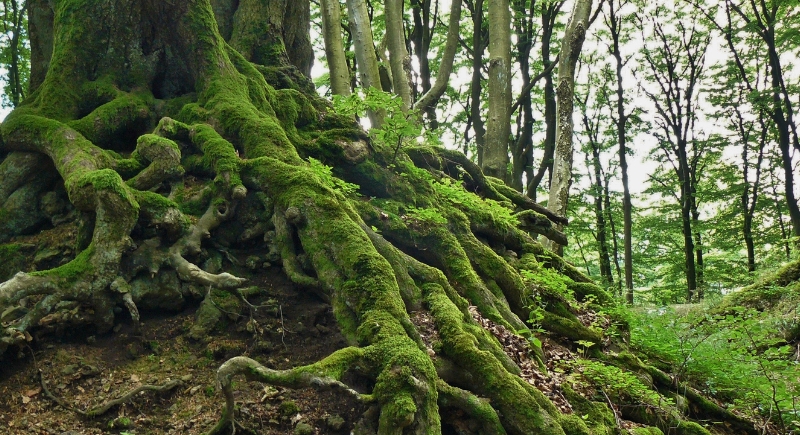
Big trees, called mother trees, play favorites, and science has caught them in the act. Some teams tracked radioactive carbon moving through fungal networks and found that some mother trees send more nutrients to their own seedlings than to nearby unrelated seedlings. Although the amount of nutrients shared varies by species and other factors, it gives an interesting perspective into these seemingly inactive plants.
The Forest Alarm System
Credit: Getty Images
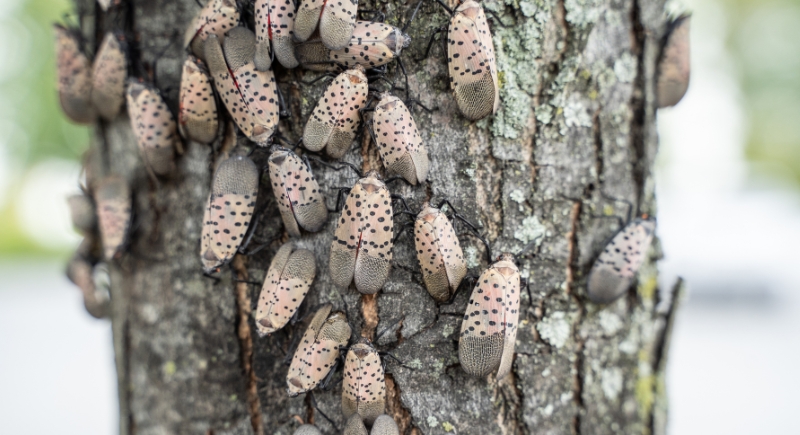
Trees have an impressive early warning system. Trees under insect attack can release airborne chemicals that may trigger defensive responses in nearby plants. These distress signals also travel through underground fungal networks. A 2015 study found that when budworms attacked Douglas-firs, connected ponderosa pines that hadn’t been affected bolstered their defensive enzymes.
Trees Run an Electrical Signaling System

Credit: Canva
A researcher at the University of Lausanne found that trees generate slow electrical pulses in response to stress, physical damage, and insect attacks. These signals travel through the same tissue that moves sugar through the tree and appear to trigger responses in distant parts of the plant. Trees have neither a brain nor a nervous system, but they’ve figured out a remarkable way to send urgent messages.
The Dying Tree Farewell
Credit: pexels
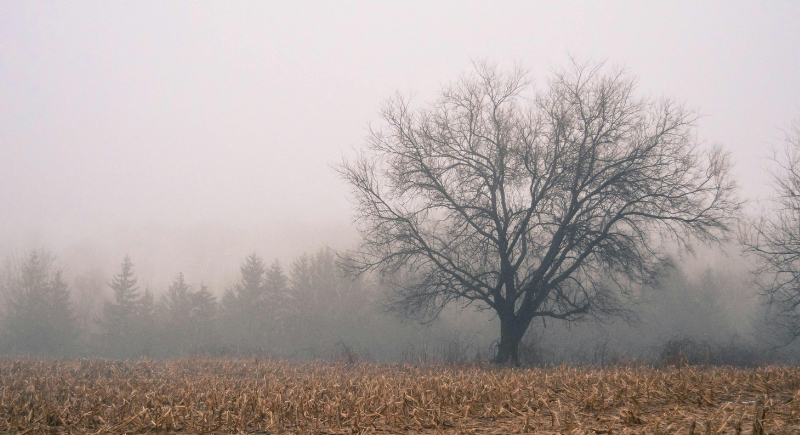
Stressed or dying trees can transfer carbon and nutrients through shared fungal networks, although this process does not occur in all cases. Nearby plants may receive transferred resources through shared fungal networks, depending on ecological conditions. Forest ranger and author Peter Wohlleben once found a beech stump that had been cut down roughly 400 years ago, kept alive thanks to neighboring trees that fed it sugar through the network.
The Underground Poison Campaign
Credit: Getty Images
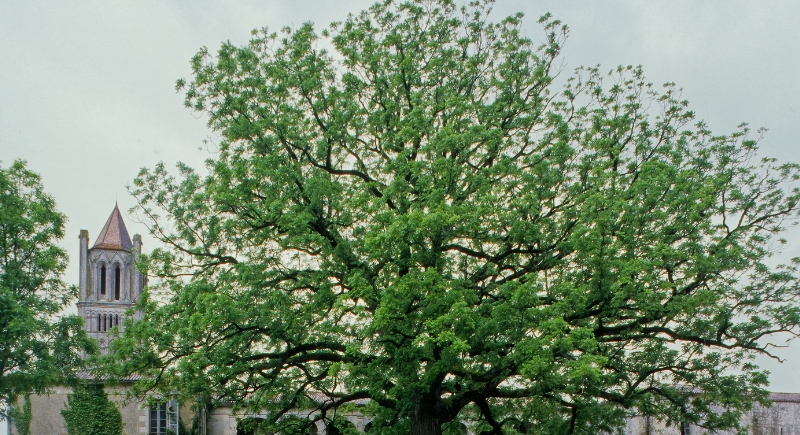
Black walnut trees produce a chemical called juglone that leaks from their roots, husks, and leaves into the surrounding soil. Juglone can inhibit growth or damage sensitive nearby plants, including tomatoes and some tree species, depending on some factors. This kind of chemical sabotage, called allelopathy, is more common than most people realize. The tree of heaven also releases chemicals that can suppress the growth of nearby plants.
Trees Remember Hard Times and Use That Memory
Credit: Canva
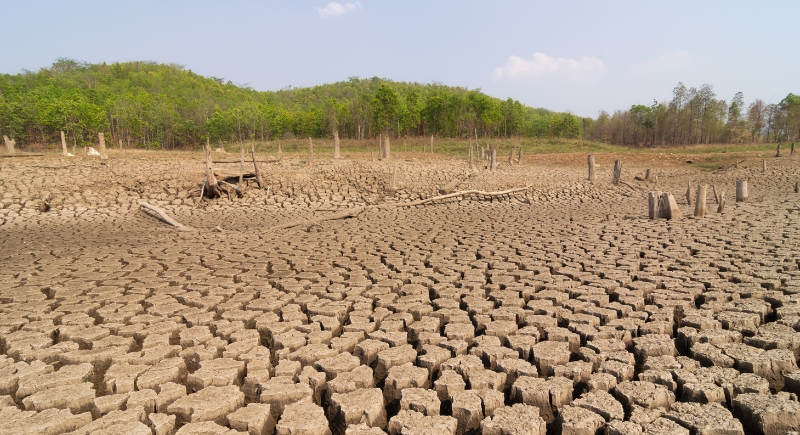
Trees can’t think, but they can remember. Research across multiple plant studies has shown that trees exposed to drought develop a biochemical stress memory. Exposure to drought can alter gene activity and physiological responses in plants, sometimes allowing improved responses during subsequent drought conditions. Multiple peer-reviewed studies have documented forms of stress memory in plants. Experiencing tough conditions indirectly prepares trees for the next one.
Plants Make Noise When They’re Stressed

Credit: Getty Images
A 2023 study by researchers at Tel Aviv University found that tomato and tobacco plants emit ultrasonic clicking sounds when stressed, producing up to 30-50 clicks per hour. The sounds occur at ultrasonic frequencies that humans cannot hear, and some animals may be able to detect them. Some researchers have speculated that the sound is due to cavitation, where air bubbles form and collapse within the plant.
Logging Takes Out More Than Trees
Credit: Getty Images
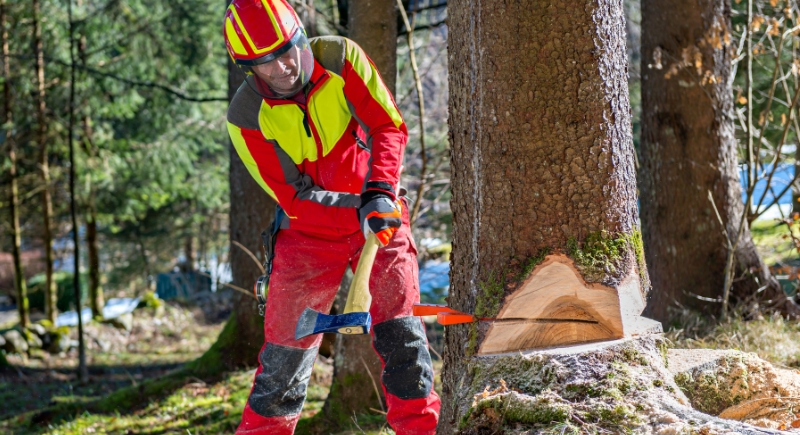
When the oldest trees in a forest are cut down, the damage is severe. Large trees can play important roles in forest fungal networks, and removing them may disrupt local underground connections. Forest harvesting can alter seedling survival rates, though outcomes vary depending on ecosystem conditions and management practices. Clear-cutting can significantly alter the underground system, and the recovery timeframe can vary.