Why Traveling With Friends Is a Terrible Idea
Group trips look simple on the surface, but the moment travel begins, friends discover how differently they handle schedules, routines, and unfamiliar places. Even the closest bunch could feel a bit stretched when normal habits disappear. None of this ruins the experience, but it explains why returning home often feels like finally stepping out of a crowded elevator.
Budgets Drift Apart Quickly

Credit: Dragon Images
Spending styles reveal themselves almost immediately, and the differences shape the atmosphere more than anyone expects. Some travelers order without hesitation, while others mentally calculate the costs before making a choice. These financial gaps lead to trip tension, especially when group hesitation sneaks into daily expenses. The moment someone jokes about needing a calculator, everyone knows the budget gap has arrived.
Planning Turns Into Slow Coordination

Credit: Getty Images
Group planning moves at the pace of a glacier because every decision waits for replies, confirmations, and revised suggestions. This stage stretches far longer than solo planning. The excitement fades as messages pile up, yet no one wants to rush the process.
Travel Pacing Never Quite Syncs
Credit: Getty Images
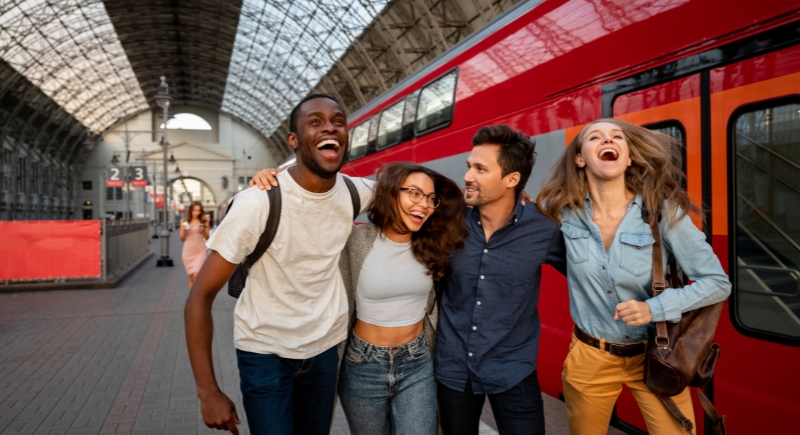
Some travelers feel energized from the moment the day starts, while others prefer easing into things, and the difference sets the tone without anyone intending it. Mismatched pacing reshapes enjoyment, especially when the group keeps adjusting.
Decisions Gather in the Background
Credit: Getty Images
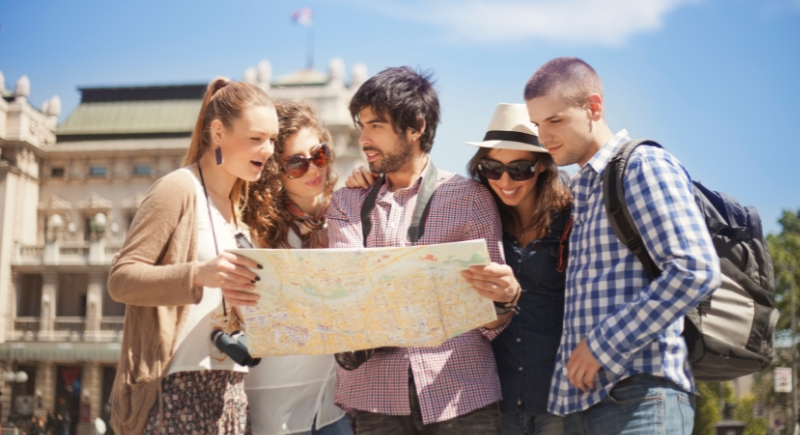
Small choices appear constantly, from where to walk next to how long to stay at a sight. That decision fatigue builds quickly when several voices contribute. The group continues to participate, but clarity slowly fades as the days pass.
Hidden Habits Step Into View

Credit: Canva
Routines that felt invisible at home become surprisingly obvious while traveling. Unfamiliar settings heighten personal tendencies, and the shift catches people off guard. One friend might suddenly cling to structure, while another drifts freely.
Fatigue Softens Everyone’s Patience
Credit: Getty Images
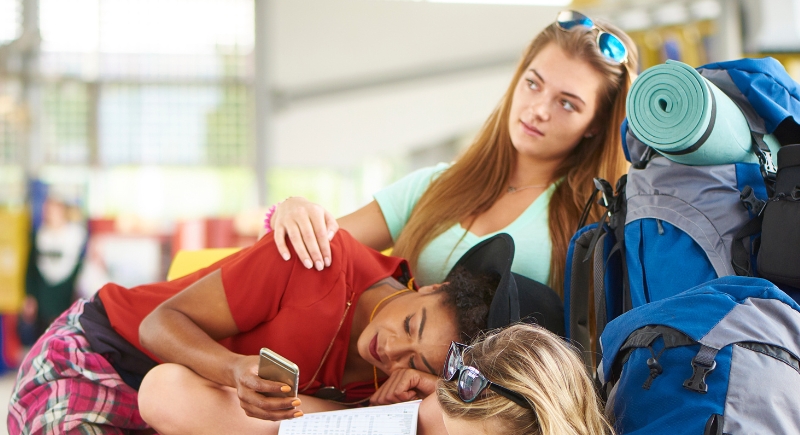
Tired travelers respond differently, and research in social psychology supports this connection. A crowded line or slow service feels worse once energy dips. The frustration isn’t dramatic, but it leaves a lasting impression that influences the rest of the day.
Mealtime Becomes a Daily Puzzle

Credit: Getty Images
Mealtime changes raise stress, especially when hunger builds. The group circles options, hoping to land on a place that satisfies everyone. When someone admits they would settle for anything with chairs, only then does the group finally stop debating.
Sleep Patterns Tilt the Day

Credit: pexels
Different sleep styles push the schedule in competing directions. Some travelers rise early with full energy, while others feel alert only after sunset. Health research links irregular sleep to lowered patience, which becomes noticeable throughout the trip.
Comfort Means Different Things to Different People

Credit: pexels
Travel exposes comfort expectations that rarely appear at home. Satisfaction rises when environments match personal preferences, and that reality becomes obvious once lodging and transport enter the conversation.
Activity Goals Shape the Experience
Credit: pexels
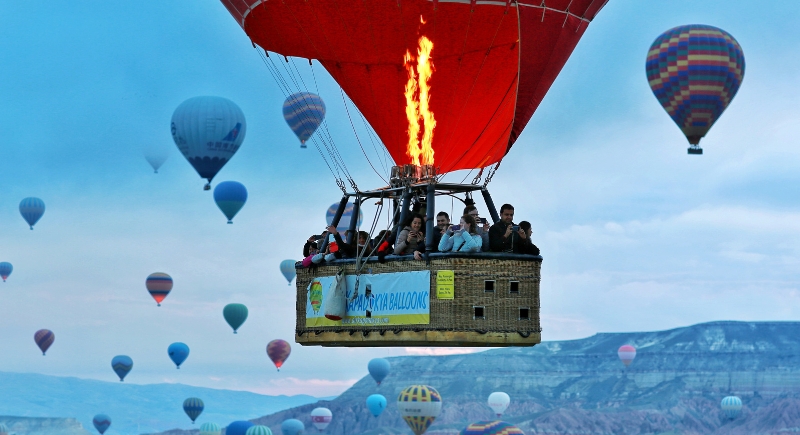
Each traveler imagines a different ideal day, and those expectations influence the group more than planned itineraries. Mismatched interests create steady friction over time, especially when choices repeat.
Spontaneity Slips Out of Reach
Credit: Getty Images
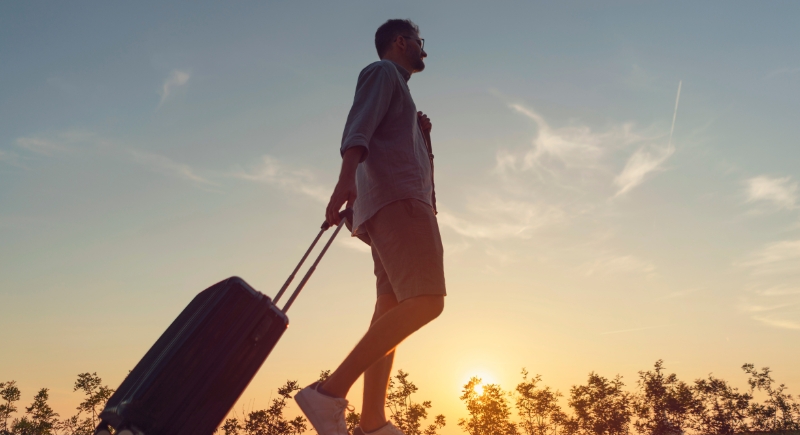
Acting on impulse feels harder when the group stays tightly connected. Social studies show that people resist stepping away, even when they want something different, and that hesitation reduces the variety in the trip.
Transportation Turns Into Extended Negotiation

Credit: Canva
Finding the best way to move through a city reveals more opinions than expected. Mobility research links unfamiliar systems to rising stress, and the group feels those effects while weighing options. Each route becomes a debate that slowly repeats.
Communication Feels Slightly Distorted
Credit: Canva
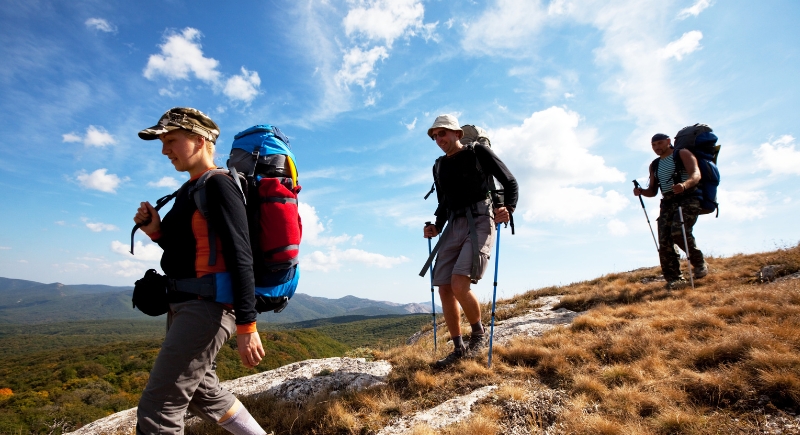
Stress, excitement, and exhaustion shift how people express themselves. Tone and clarity often change during travel, and misunderstandings appear without warning. These moments aren’t dramatic but leave the group slightly off balance.
Personal Space Becomes Limited
Credit: Getty Images
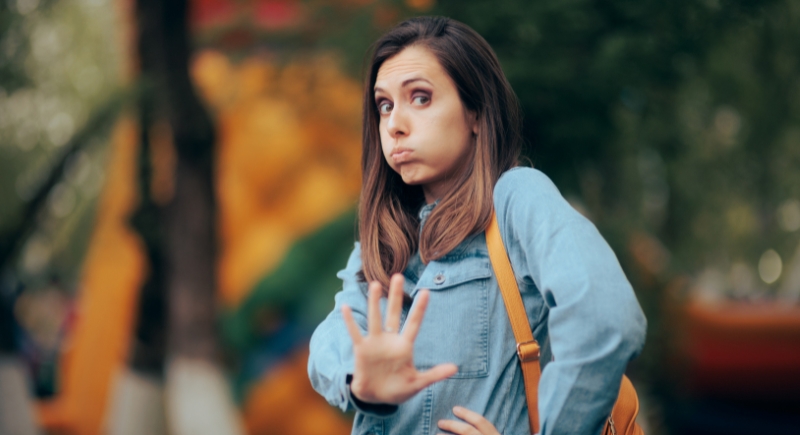
Constant closeness creates a steady strain, even when everyone gets along. Environmental psychology suggests that small spaces and busy schedules can reduce patience, with the effects becoming apparent over time. The group continues functioning well, but subtle irritations surface.
The Dynamic Feels Different After Returning

Credit: Getty Images
Shared stress temporarily lowers empathy, which explains why trips leave friendships feeling slightly altered. Normal interactions return once everyone has time to settle back into routines. The group often laughs about the experience later.