People Are Traveling to the Middle of Nowhere Just to Find True Darkness
For a long time, darkness was something people avoided. Now, it’s becoming the reason for a trip. Across deserts, mountains, and remote coastlines, travelers are seeking places where artificial light fades and the night sky takes over. This shift reflects a growing curiosity about what disappears in modern life when nights are never fully dark.
DarkSky-Certified Stays Are Drawing Curious Travelers
Credit: Wikimedia Commons
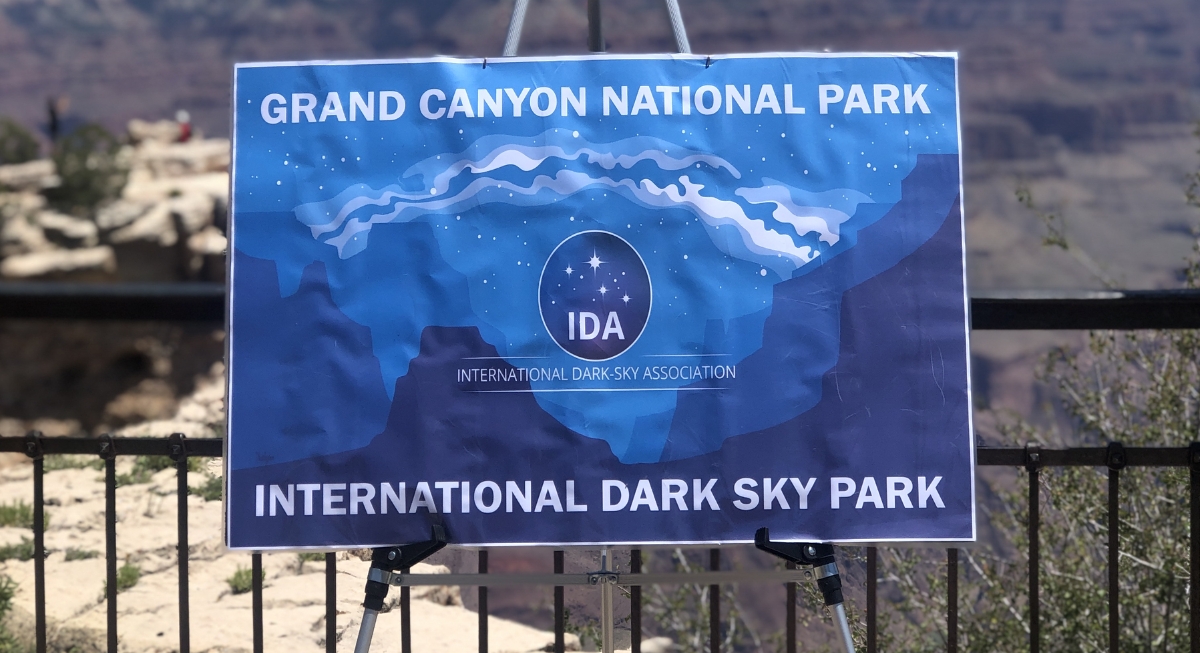
Hotels and camps with DarkSky certification have turned low light into a selling point. These properties follow strict lighting rules to preserve visibility of the night sky. Guests often arrive expecting a quiet evening and end up spotting the Milky Way without equipment.
National Parks Are Becoming Nighttime Destinations
Credit: pexels
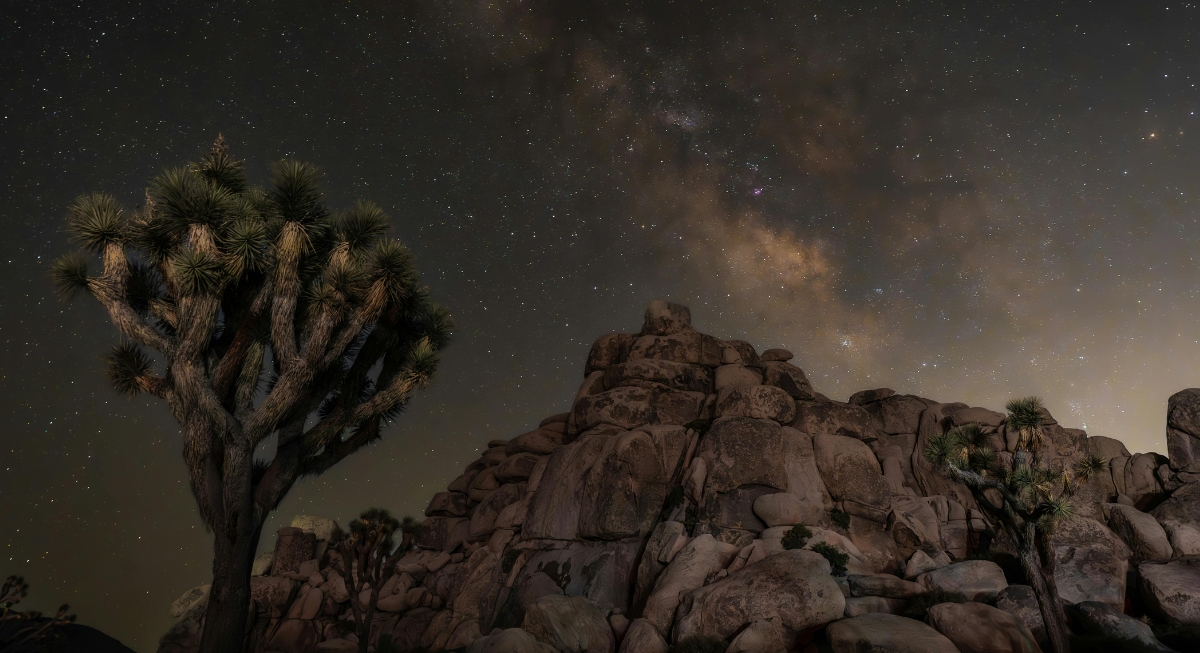
Many parks that once focused on daytime views now highlight after-dark programs. Ranger-led stargazing events and telescope sessions attract visitors who plan entire trips around night skies. Grand Canyon National Park reports strong attendance for its astronomy programming.
Solar Eclipses Are Driving Long-Term Travel Plans
Credit: Wikimedia Commons
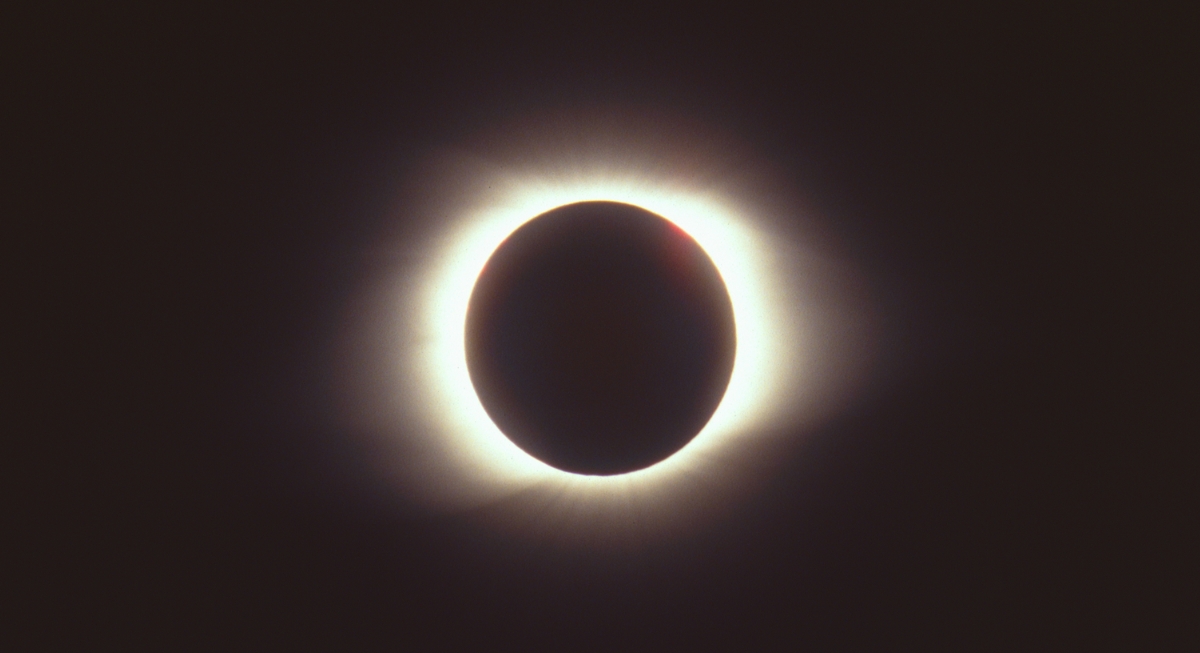
The surge in eclipse tourism has pushed travelers to book years ahead. Tours for the 2027 total solar eclipse in Egypt filled quickly after interest spiked following the 2024 event. Travel companies report waiting lists forming almost immediately. A total eclipse lasts minutes, but requires precise positioning.
Aurora Hunting Has Turned Into a Seasonal Travel Trend
Credit: pexels
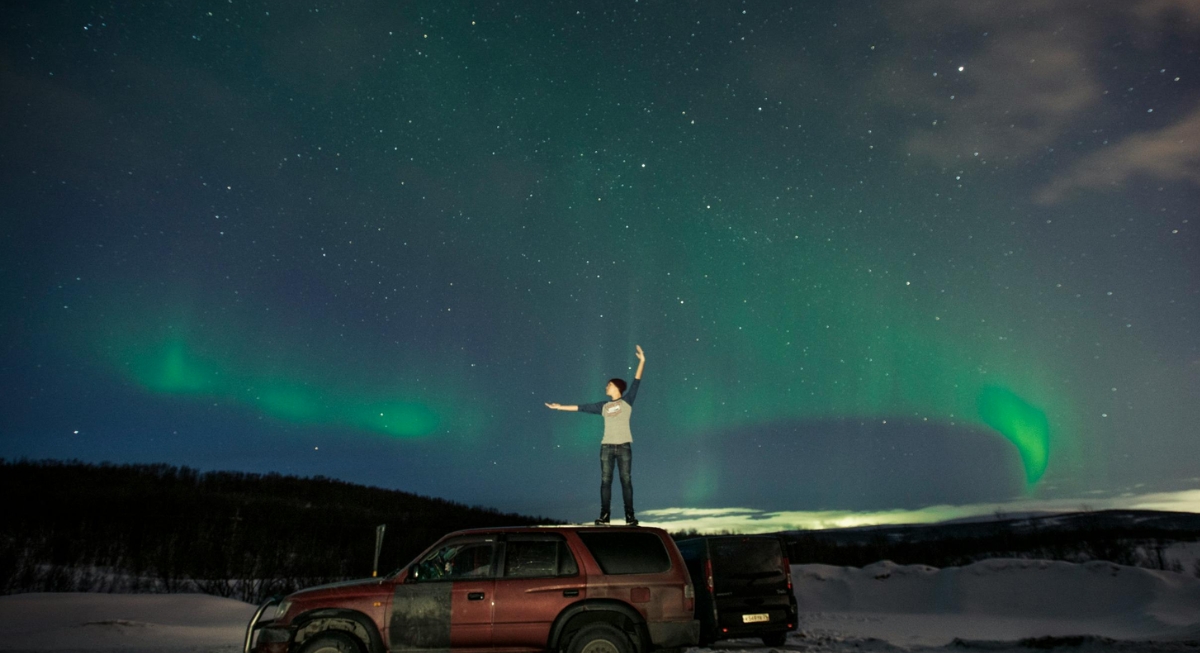
Trips focused on the northern lights continue to grow in popularity, especially during periods of high solar activity. Locations like Alaska, Iceland, and northern Canada see steady winter traffic tied to aurora forecasts. Tour operators now include photography lessons and science briefings. Travelers are also learning how to capture it and understand what creates those shifting bands of color.
Remote Deserts Offer the Clearest Night Skies
Credit: pexels
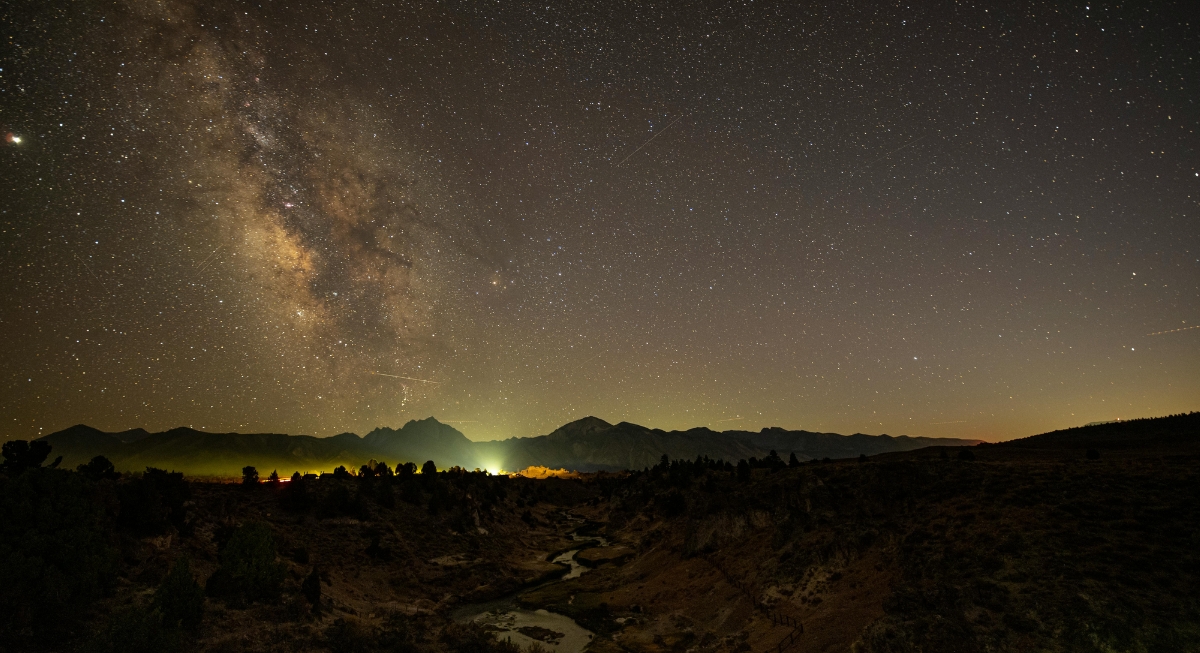
Deserts have become prime destinations for those chasing deep darkness. Dry air, minimal cloud cover, and distance from cities create ideal viewing conditions. Places like the Sahara or the American Southwest reveal stars rarely visible in urban environments. Travelers often describe seeing far more than expected.
Glass Domes and Transparent Lodging Change the Experience
Credit: pexels
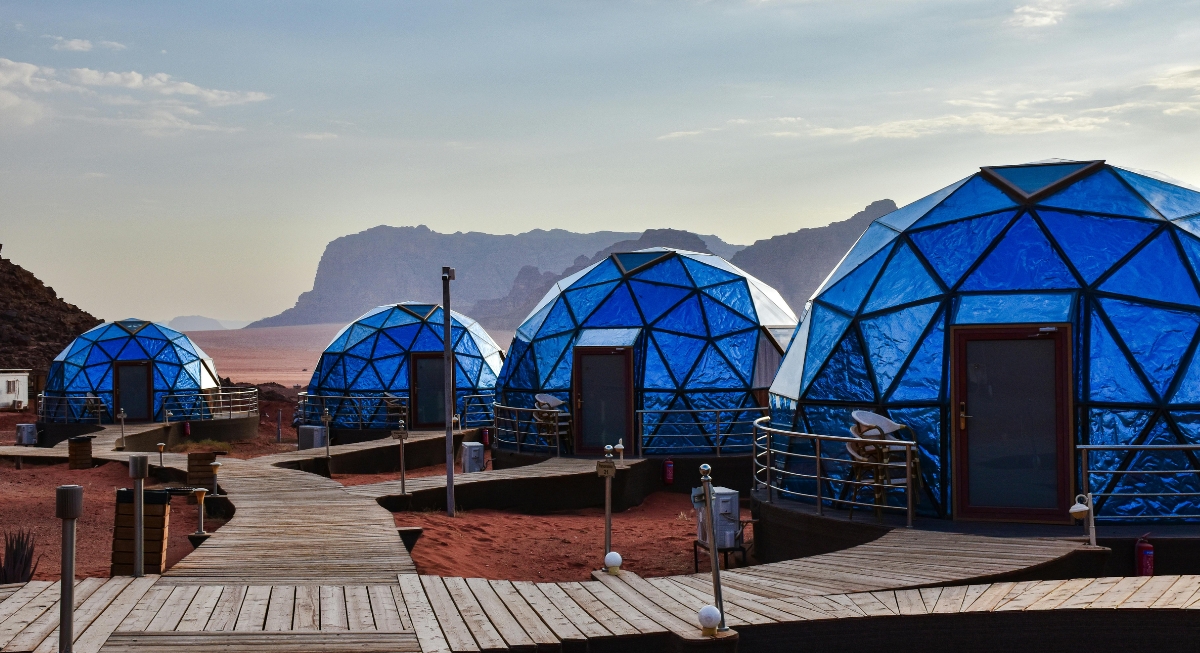
A growing number of accommodations now incorporate the night sky into the room itself. Glass domes, igloos, and tents with ceiling panels let guests watch stars from bed. These setups remove the need for late-night outings while still delivering full views. The design adds comfort without losing the sense of exposure.
Astrophotography Is Inspiring New Trips
Credit: pexels
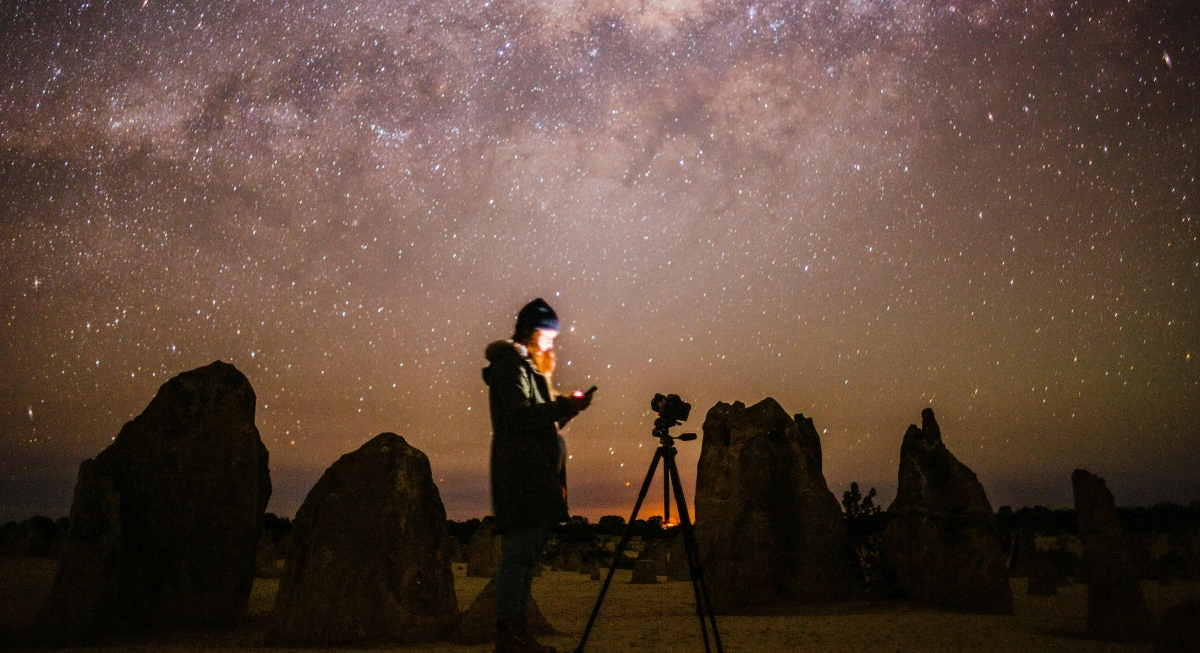
Images of the Milky Way or meteor showers often spark curiosity about where those shots were taken. Travelers now plan trips with photography in mind and bring specialized gear and learning techniques in advance. The goal is not only to see the sky but to recreate those images.
Light Pollution Is Pushing People Out of Cities
Credit: Wikimedia Commons
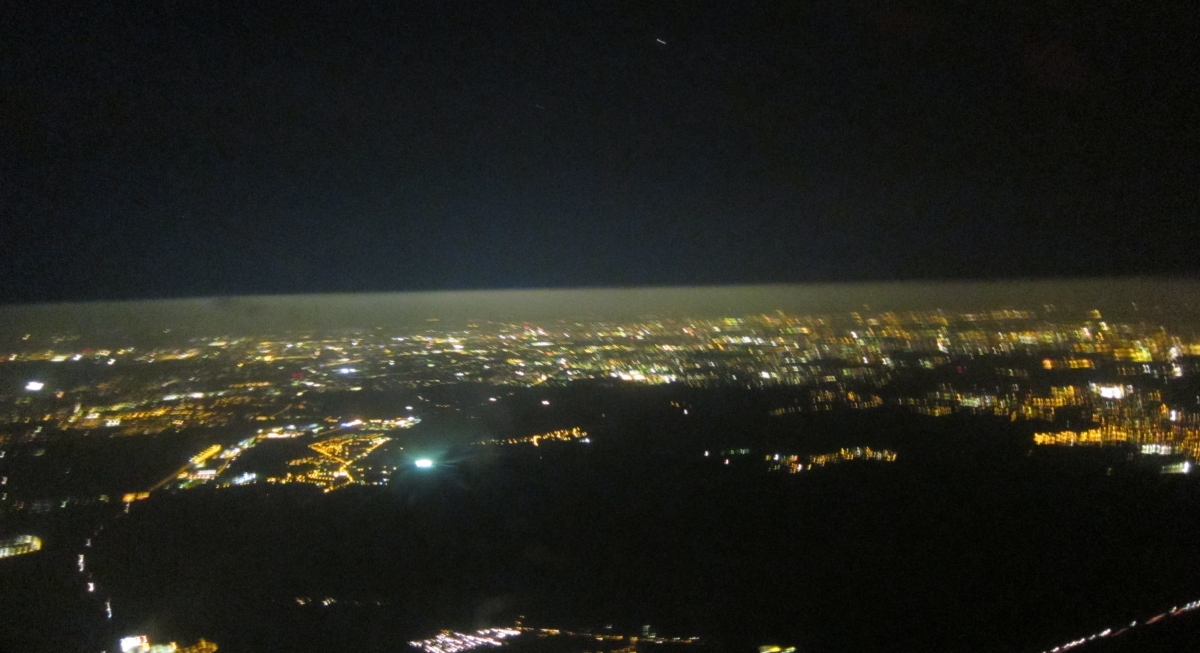
In many urban areas, only a handful of stars remain visible due to artificial lighting. Studies suggest a large portion of the population cannot see the Milky Way from home. That loss has created demand for darker destinations.
Guided Night Tours Add Context to the Experience
Credit: Tripadvisor
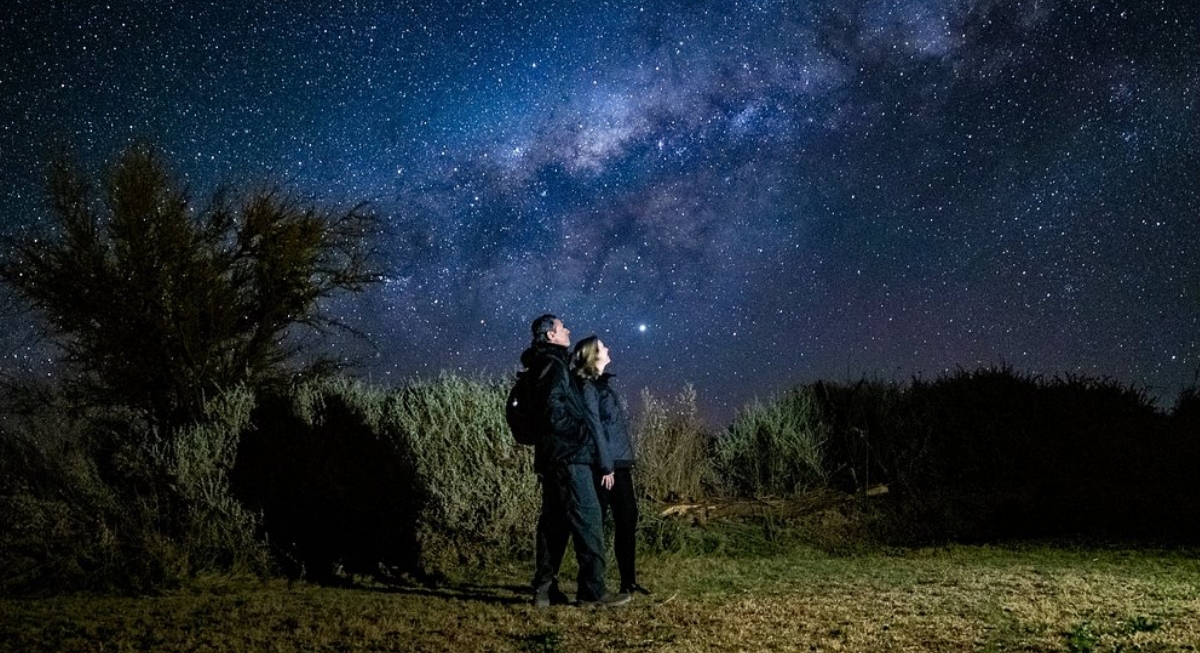
Professional guides and astronomers now lead many stargazing outings. These tours go beyond pointing out constellations. They often include cultural stories, scientific explanations, and help with telescopes or cameras. The added context changes how people engage with the sky. Instead of passive observation, travelers gain a clearer sense of what they are looking at.
Wellness Travel Is Expanding Into the Night
Credit: Wikimedia Commons
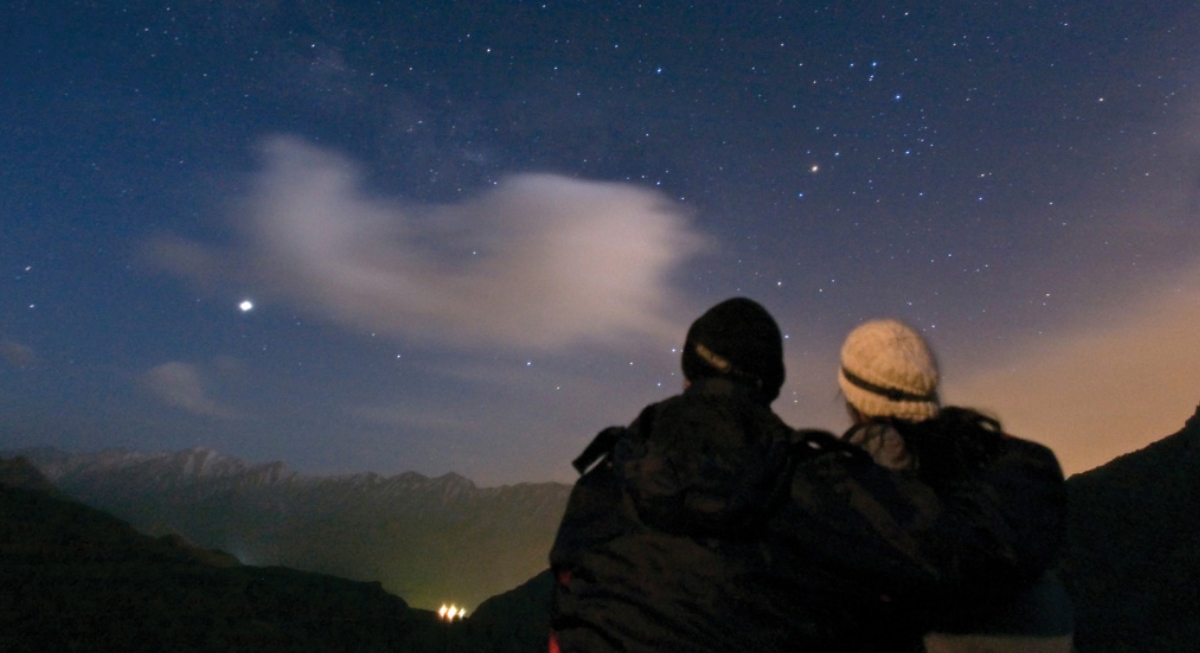
Dark-sky experiences are increasingly linked to relaxation and mental clarity. Spending time under a clear night sky can feel grounding in a way that daytime activities do not always achieve. Resorts have started incorporating stargazing into wellness programs. Guests might pair evening skywatching with reflection or simple rest.