10 Savvy Hacks to Beat Rising Travel Costs in 2026
Travel costs in 2026 are not rising blindly. Prices are being shaped by demand spikes, booking behavior, route choices, and how platforms bundle fees behind the scenes. The people who spend less are making small decisions that line up with how the system works. The difference comes down to knowing where the system bends, where it does not, and how to move within it.
Pick Destinations Where Your Money Does More

Credit: Canva
A flight might cost the same whether you land in Paris or Vietnam, but everything after arrival changes the total spend. Countries with lower daily costs for food, transport, and accommodation can reduce overall trip expenses by a huge margin. Data trends consistently show places like Southeast Asia and parts of Eastern Europe offering far better value than traditional hotspots, even during busy travel periods.
Use One-Stop Routes to Lower Airfare

Credit: Getty Images
Nonstop flights come with convenience pricing built in. Routes that connect through hubs like Dubai or Doha can reduce ticket prices by around 10–15%. That trade-off often makes sense, especially on long-haul trips where the time difference is manageable but the savings are significant. It is one of the easiest pricing gaps to exploit.
Stay Just Outside Tourist Hotspots

Credit: Getty Images
Hotel pricing changes sharply within the same city. Moving even a short distance away from major attractions can cut accommodation costs by 30–45%. Business districts add another advantage, since demand drops during holidays, which leads to discounts of up to 50% in some cases. The location shift barely affects the experience but has a clear impact on the budget.
Treat Travel Timing Like a Pricing Window
Credit: Canva
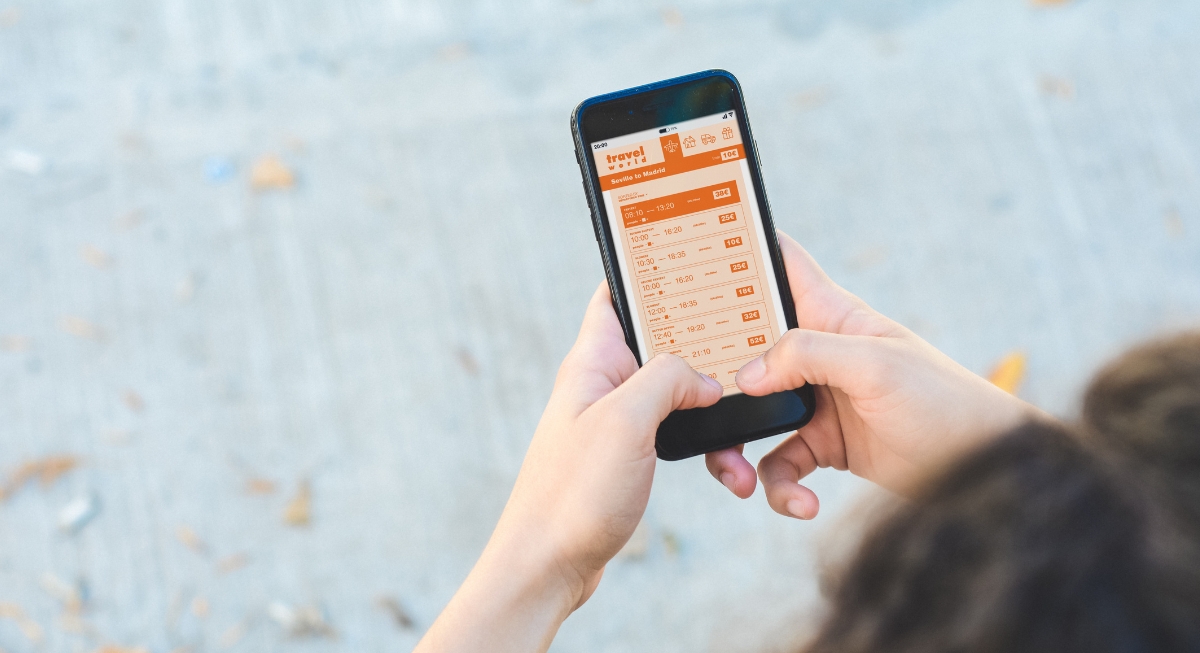
Airfare does not fluctuate randomly. Booking international flights before peak demand periods can save 20–25%, while traveling after major holiday windows leads to noticeable price drops. For example, prices typically surge in December and fall again after early January. Travelers who align with these patterns consistently pay less than those who book based solely on convenience.
Turn Credit Cards Into a Cost-Reduction Tool

Credit: Canva
Travel cards, when used strategically, reduce expenses through discounts, reward redemptions, and fee savings. Some booking portals offer up to 33% off hotels and around 17% off flights, while zero-forex-fee cards remove an extra 3–5% from international spending. Over an entire trip, that difference adds up quickly.
Use Rewards When Prices Are at Their Highest
Credit: Canva
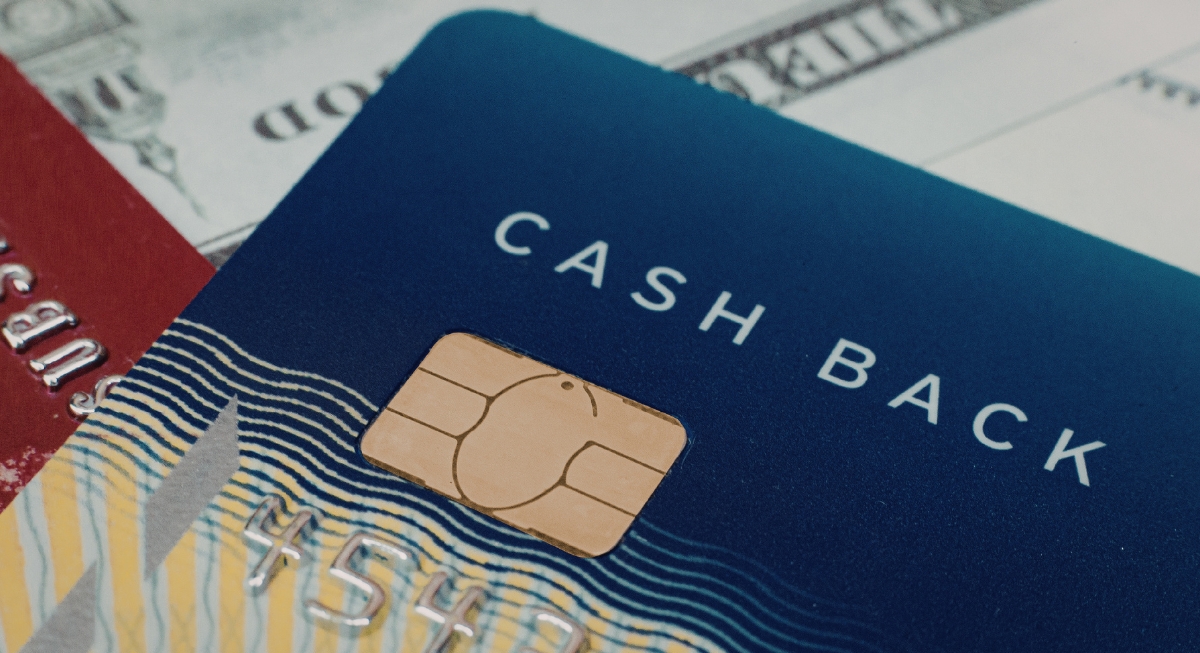
Points and miles deliver the most value when cash prices are inflated. During peak seasons, flights and hotels rarely drop in price, which makes rewards more powerful. Redeeming points in these periods can offset 10–25% of total costs. Using them during already cheap periods does not produce the same impact.
Watch the Hidden Costs That Add Up Fast
Credit: Getty Images
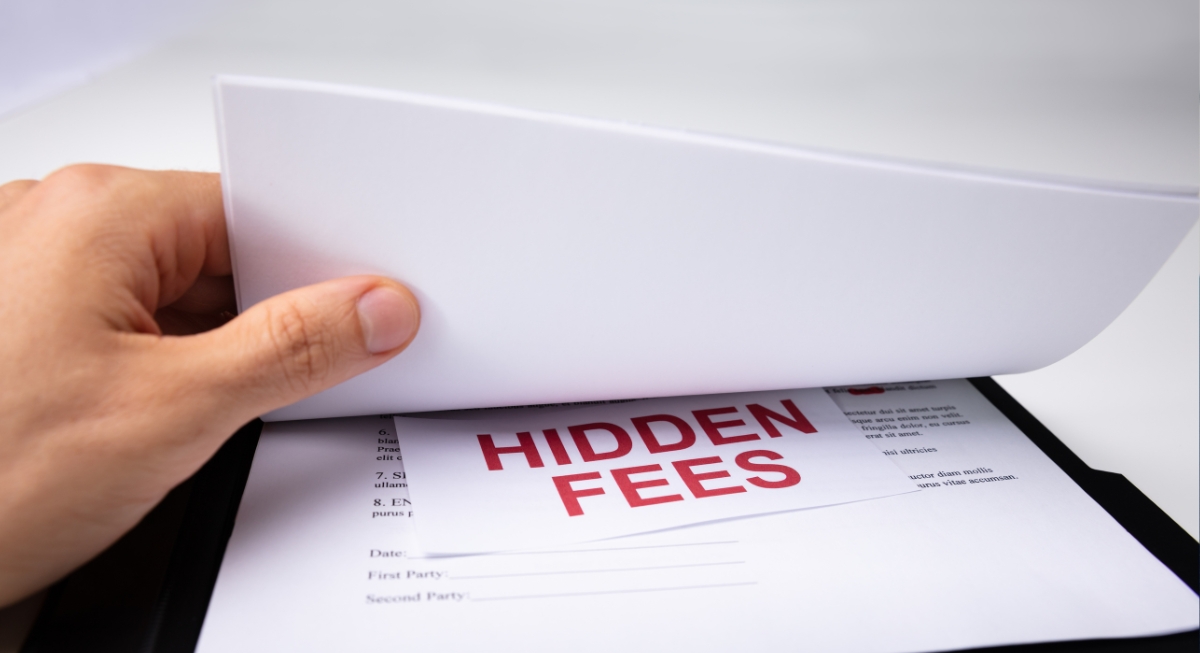
The listed price is rarely the final price. Taxes, visa fees, baggage charges, and local levies can add another 10–15% to a trip. Budget airlines often separate costs that full-service carriers include, which can make a cheap ticket more expensive in practice. Paying in local currency instead of letting foreign transaction systems convert it can also prevent unnecessary markups.
Split Your Booking Across Platforms to Exploit Pricing Gaps
Credit: Getty Images
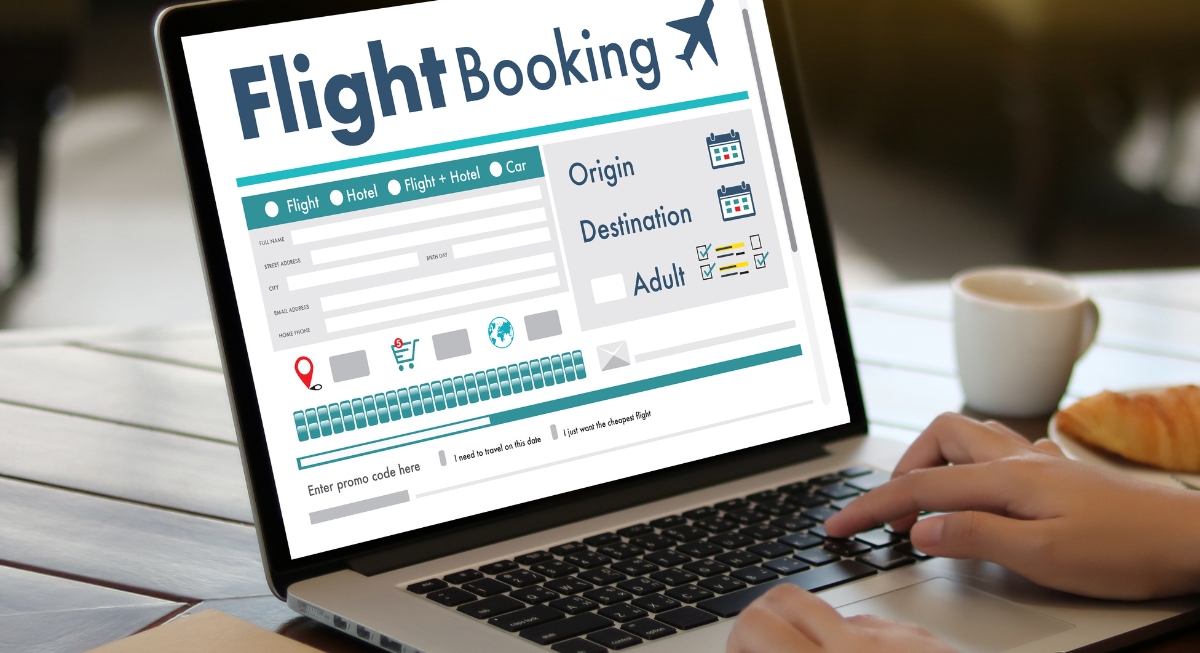
Airlines and hotels do not price inventory uniformly across platforms. The same flight or room can appear at different prices depending on where you book because of commissions, partnerships, and regional pricing rules. Savvy travelers check airline sites, aggregators, and credit card portals before committing. Booking flights directly while securing hotels through discounted portals can create combined savings that a single platform cannot match.
Book Accommodation With Built-In Savings

Credit: Canva
In serviced apartments and rentals, the savings come from how the stay changes daily habits. They lower food costs by providing kitchens, which cuts down on dining expenses across the trip. Families often save a good amount this way, especially in destinations where eating out frequently drives up spending.
Plan Early Enough to Lock in Value, Not Just Availability

Credit: Getty Images
Waiting too long often means paying whatever price remains. Booking months ahead secures lower rates before demand pushes them up, especially for year-end travel. Early planning also creates room to compare options, stack rewards, and track deals.