9 Travel Apps That Will Replace Your Guidebook in 2026
Planning a trip in 2026 means relying more on your phone than on a printed guide. Flight schedules shift, hotel prices change by the hour, transit routes get updated, and restaurants come and go quickly. A book simply cannot keep up.
Travelers now depend on apps that adjust in real time. The right combination helps you compare flights and hotels, store reservations, navigate new cities, and track spending across different currencies without juggling paperwork.
Hopper

Credit: Facebook
Hopper analyzes historical data and predicts when airfares are likely to rise or fall. It sends notifications tied to specific booking windows instead of vague suggestions. Users can complete reservations inside Hopper and add paid features such as price freeze protection or flexible cancellation.
Booking.com

Credit: iStockphoto
Founded in 1996 in Amsterdam, Booking.com began as a small Dutch startup focused on hotel reservations and later grew into one of the largest digital travel marketplaces in the world. Today, Booking.com lists hotels, apartments, vacation homes, airport taxis, and attractions in thousands of destinations.
Airbnb

Credit: iStockphoto
If you are looking for a setting that reminds you of home, Airbnb makes more sense than a standard hotel. The platform focuses on private rooms, homes, and longer-term rentals with kitchens and additional living areas. It also features tours, workshops, and bookable experiences hosted by local residents.
Kayak

Credit: Instagram
Budget-conscious tourists and frequent flyers often turn to Kayak at the very start of their planning process. They use it to compare flight prices, hotel rates, rental cars, trains, buses, and even travel experiences through multiple providers. However, Kayak does not complete bookings directly. Instead, it redirects users to airlines or third-party sites to finalize transactions.
Google Maps
Credit: unsplash
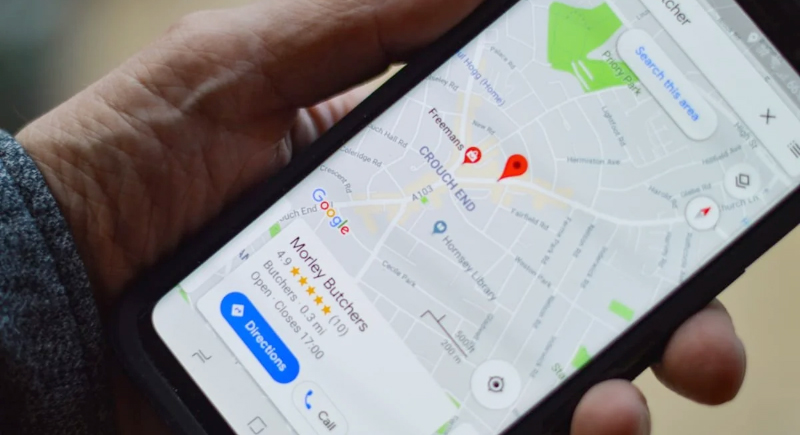
Most people have opened Google Maps at some point to check directions across town or find a nearby restaurant. During travel, the app supports driving, walking, cycling, and public transit journeys in most countries. You can also save locations and download maps before departure, which helps in areas with limited service.
Wanderu
Credit: Wanderu
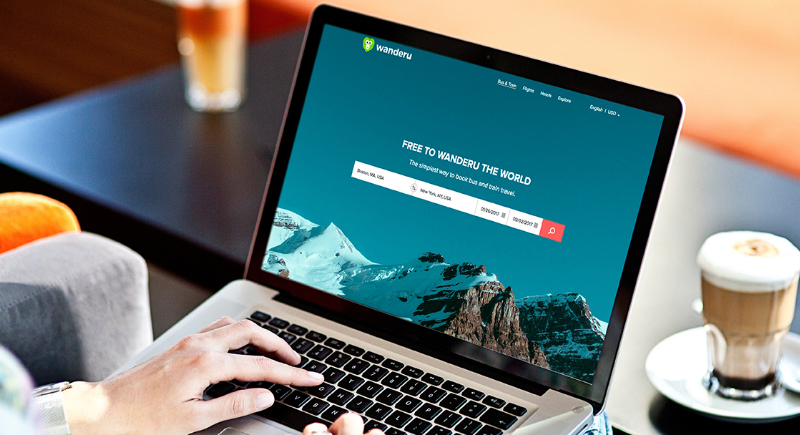
People who rely on trains and long-distance buses benefit most from this app, especially those planning multi-city routes. This is why Wanderu centralizes ground transportation options that would otherwise require checking several carrier websites. You can search, compare, and purchase tickets for buses and trains, all in one interface.
Google Translate
Credit: flickr
Language barriers create friction, especially during meals or transit connections. Google Translate supports more than 200 languages and offers text, voice, and camera translation. Consequently, travelers can download language packs before departure for offline access. There is also a camera function that translates menus and signs in real time.
AllTrails
Credit: That Adventurer
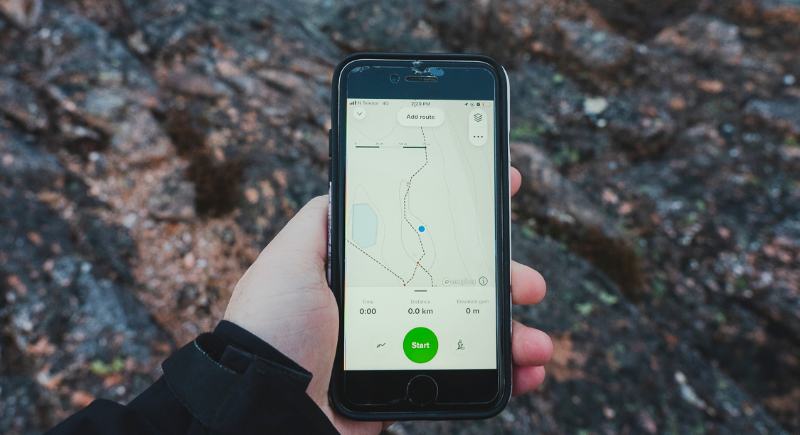
Outdoor travel demands accurate trail information and route awareness so that you do not lose your way. All of that is easily accessible on AllTrails along with maps, elevation profiles, user photos, and written reviews for hiking and walking paths worldwide. The paid Plus tier adds offline map downloads, which help in remote areas.
TripIt
Credit: Instagram
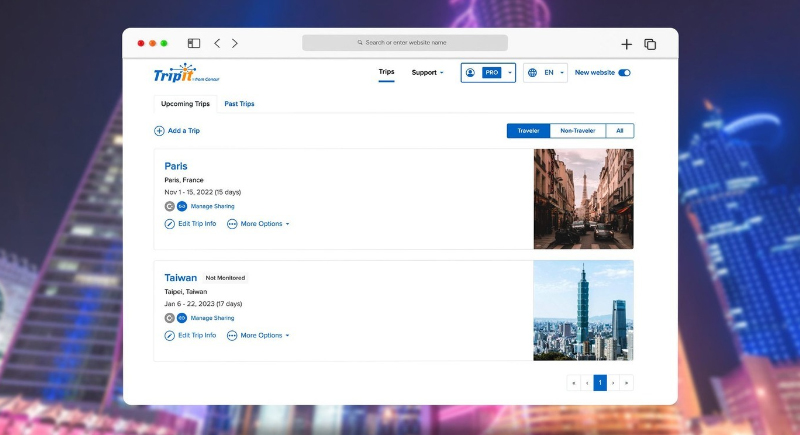
It may be difficult for you to find a hotel address or flight time when you are standing in a crowded airport line. That is where TripIt becomes useful. The app scans confirmation emails and builds a chronological itinerary automatically. It pulls in details such as flight numbers, hotel addresses, and rental car reservations.