10 Places Where the Water is Too Toxic to Swim (But People Do Anyway)
Some water bodies look like they belong in an Instagram tourism reel, until you discover why you don’t see social media posts of families there. Around the world, gorgeous rivers and beaches contain chemical soup, sewage, and bacteria that can wreck skin, stomachs, and lungs. The wild part is that people still jump in for the weirdest reasons. Here are 10 real places where the water is famously toxic, and people show up ready for a swim.
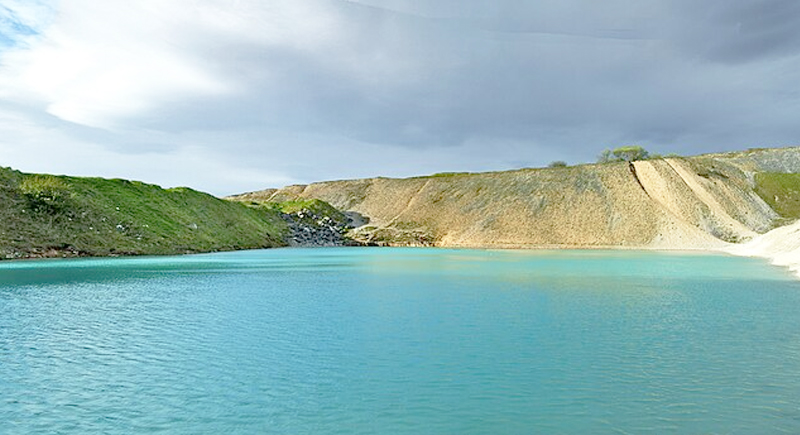
Harpur Hill Blue Lagoon, England
Credit: Wikimedia Commons
The water at this lagoon resembles a Caribbean filter, but this Derbyshire quarry lake is a diluted cleaning product. The vivid color comes from lime waste, while the water body is alkaline with a pH of 11.3. Even with warning signs, it became a popular local swimming spot, so officials famously dyed it black to make it less tempting.
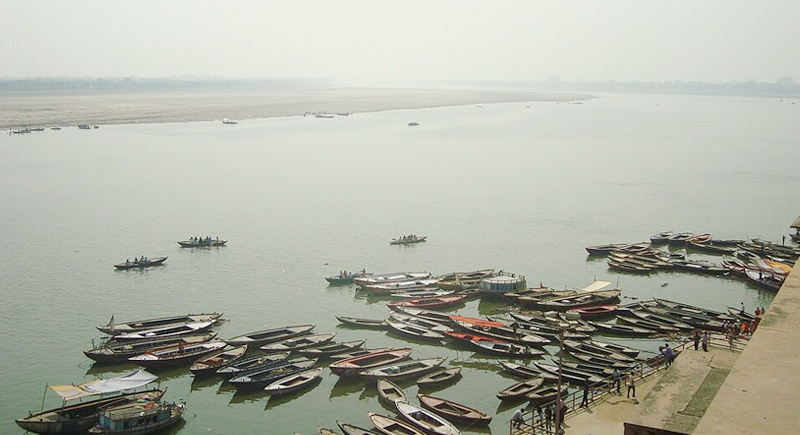
Ganges River, India
Credit: Wikimedia Commons
Millions depend on the Ganges, and some of them take daily ritual baths in water that contains antibiotic-resistant bacteria. Untreated waste from several industrial units flows into this sacred river, which is far from safe for even bathing. Still, religious devotees continue their daily immersions.
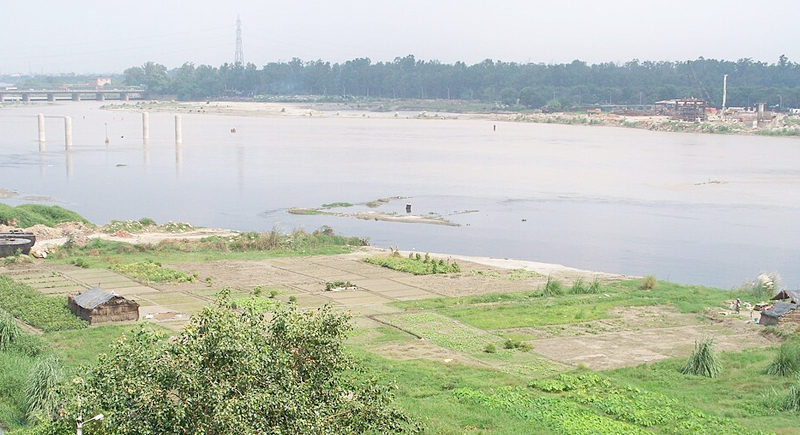
Yamuna River, Delhi, India
Credit: Wikimedia Commons
Every year, devotees step into the Yamuna for Chhath Puja, even when the surface looks like someone poured bubble bath into a river. The signature foam white froth is attributed to untreated sewage and industrial pollution, and officials routinely warn about health risks. Still, people continue to use the bath and offer sunlight rituals while standing in toxic foam.
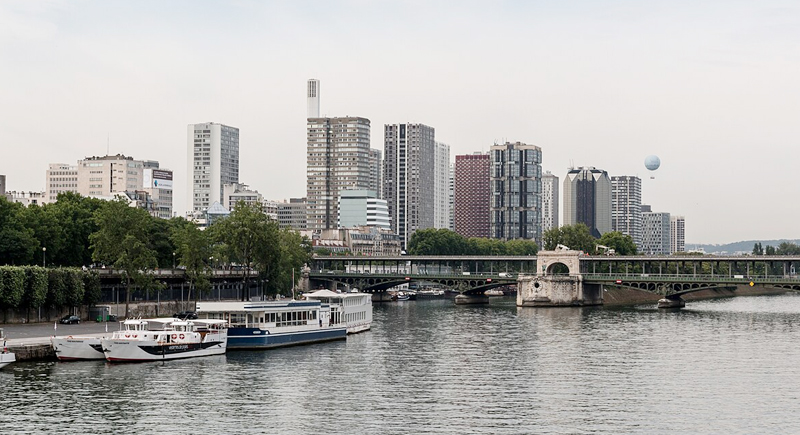
River Seine, Paris, France
Credit: Wikimedia Commons
For decades, swimming in the Seine was banned due to pollution, yet locals dreamt of the plunge. Following a cleanup push tied to the Olympics, Paris reopened designated public swimming areas in 2025, with daily testing and closures implemented after heavy rainfall. The reopening drew crowds, because Parisians love a good summer swim. The irony is that “open” still doesn’t mean the river is suddenly clean.
Imperial Beach, California
Credit: Wikimedia Commons
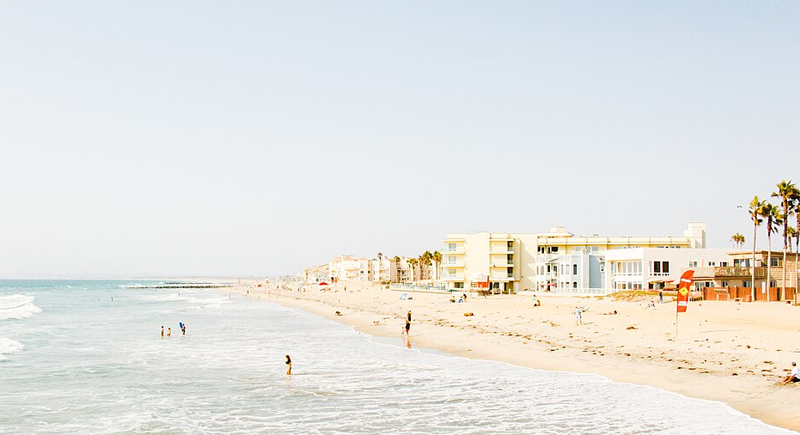
This surf town has a sewage problem as it flows down the Tijuana River and can spike bacteria levels along the shoreline. Warnings and closures are usually displayed, but beach culture is stubborn, and videos show people swimming anyway. Health agencies advise avoiding contact with the water, seeing as it contains pathogens that can cause stomach illness and skin rashes.
Santa Monica Pier, California
Credit: Wikimedia Commons
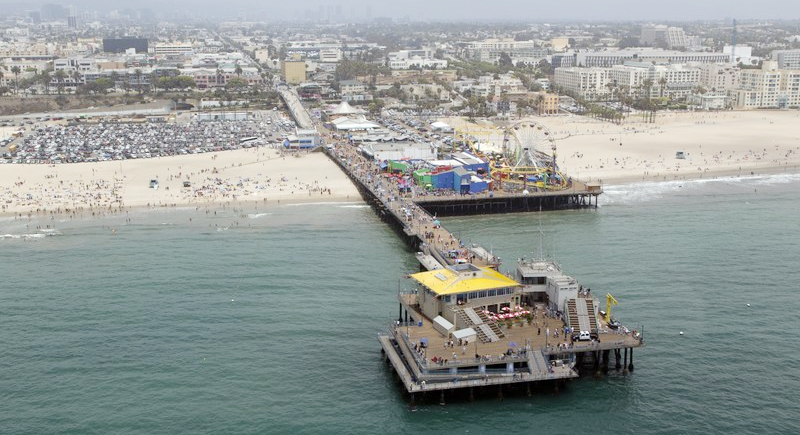
During summer, this iconic beach fills with swimmers and boogie boarders who might not realize they’re at one of the worst beaches for water quality in California. For years, it has ranked high on the “Heal the Bay’s Beach Bummer List” and topped the list in the April 2024 to March 2025 report. The high activity in the area, along with runoff, has significantly contributed to the poor water quality.
Citarum River, Indonesia
Credit: Wikimedia Commons
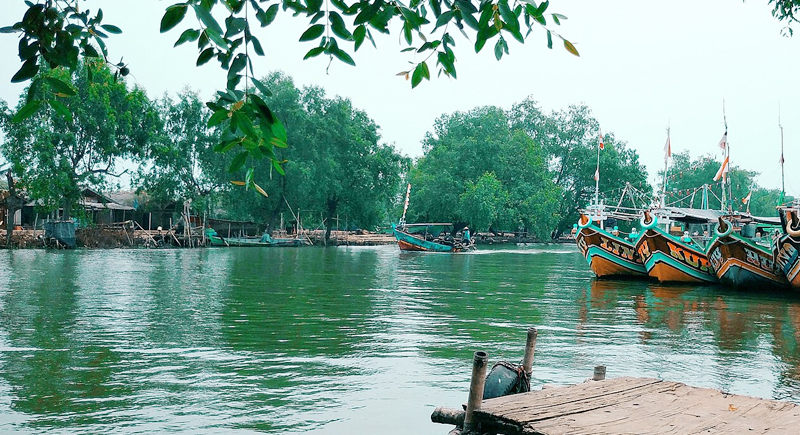
The Citarum is one of the world’s foulest rivers, thanks to industrial waste, household sewage, and trash. Still, reporters have documented people washing and bathing in sections of the river. For locals, this water body isn’t a means to thrill-seek. When clean water is scarce, this river becomes the only option for cooking and laundry, even when it’s covered in garbage and emits a foul smell.
South Platte River, Colorado
Credit: Wikimedia Commons
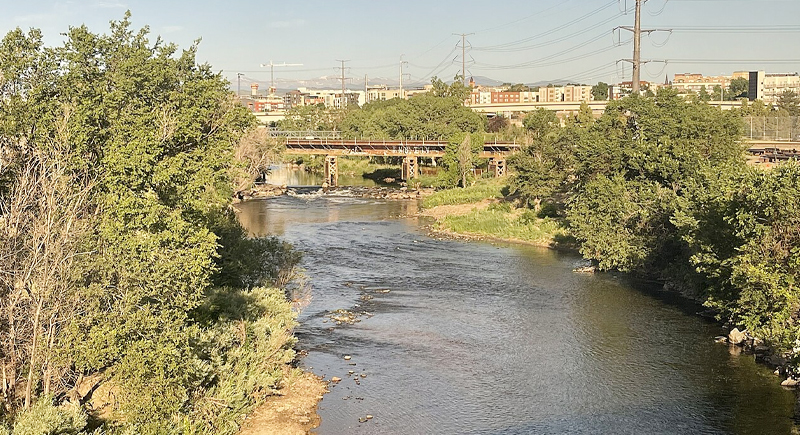
More Denver residents discover this river each summer, even when E. coli warnings are posted. Kayakers, rafters, and swimmers flock to the waterway running through the Mile High City. During peak summer months, city officials warn against contact when bacterial levels rise. Still, on a hot July afternoon, that cool water flowing right through downtown looks pretty good, and several locals decide the bacteria count is tomorrow’s problem.
Western Lake Erie During Algal Blooms
Credit: Wikimedia Commons
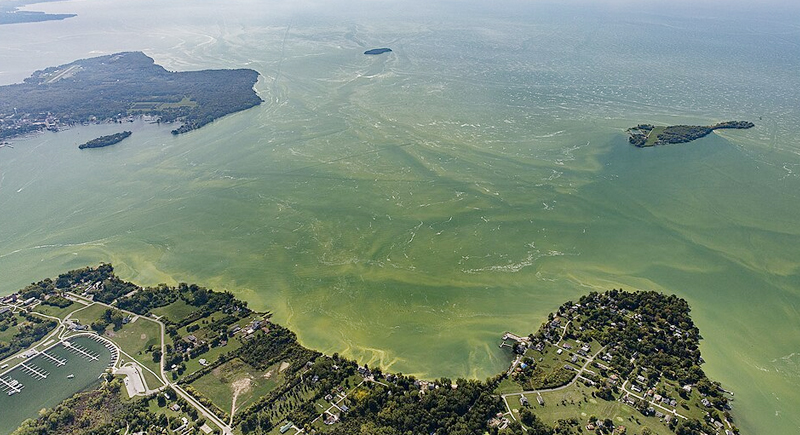
Lake Erie can flip from fun to ‘do not touch’ when harmful algal blooms show up. Those blue-green algae can produce toxins that irritate the skin and cause sickness for anyone who swallows them. The National Oceanic and Atmospheric Administration once released a forecast for the area to protect those who insisted on recreation.
Hudson River, New York
Credit: Wikimedia Commons
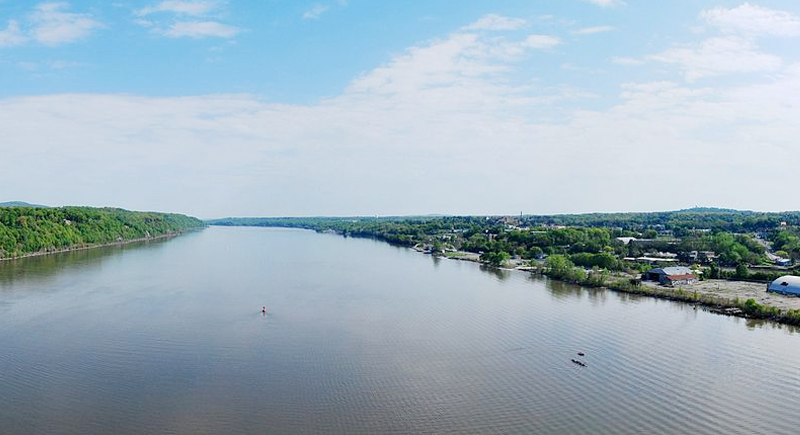
In 2025, scientists documented a large toxic cyanobacteria bloom in the Hudson River, with officials warning people and pets to avoid contact. Beaches like Kingston Point posted advisories because microcystin can cause rashes and illness. But riverside summers don’t pause for microscopes. People continued kayaking, wading, and cooling off when the heat became unbearable, especially as the water looked fine from the shore.