These Stunning Lakes Are Actually Toxic to Swimmers
Some lakes appear calm, clear, and inviting, yet they carry risks that make entering the water hazardous. Visitors continue to photograph them, hike nearby, and, in some cases, swim, unaware of what lies beneath the surface. The lakes on this list have been flagged through environmental studies, long-term monitoring, and documented incidents. Their hazards come from chemical conditions, biological toxins, or natural processes that are easy to miss until it is too late.
Lake Natron, Tanzania
Credit: Getty Images
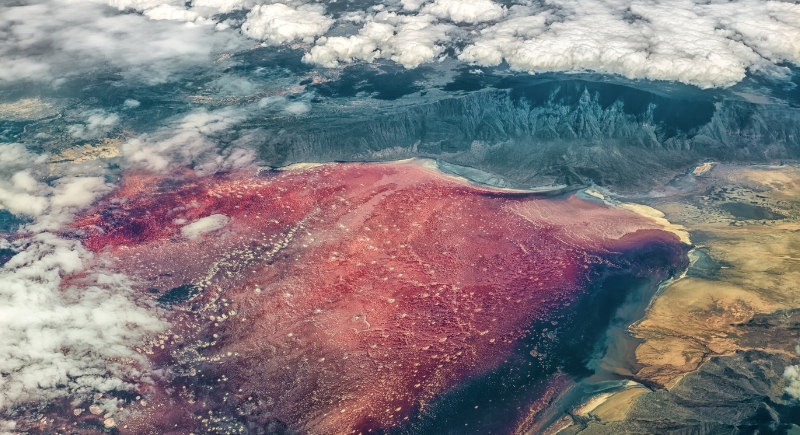
Lake Natron’s water chemistry pushes beyond what most lakes can tolerate. Its striking red and orange tones originate from heavy mineral saturation and microorganisms that thrive in extremely alkaline conditions. With pH levels reaching around 12 and surface temperatures often exceeding 100°F, even brief contact can irritate the skin and cause severe eye damage.
Lake Karachay, Russia
Credit: Wikimedia Commons
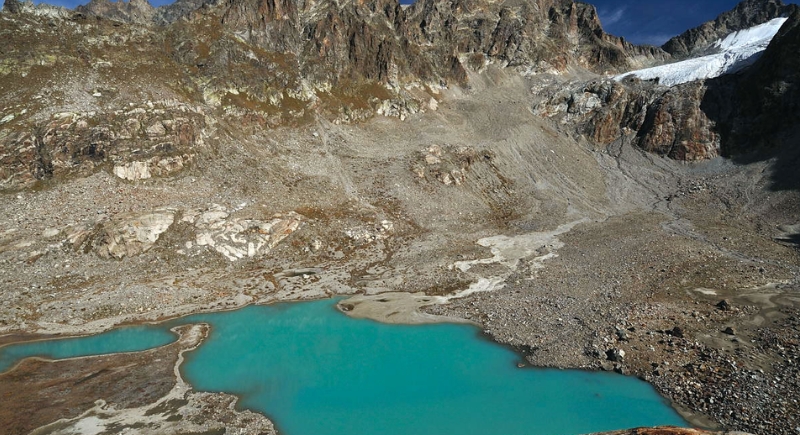
Lake Karachay primarily exists as an industrial byproduct. For decades, radioactive waste from the Mayak nuclear complex was dumped here. This created one of the most contaminated locations on the planet. Historical measurements recorded radiation levels high enough to cause fatal exposure in under an hour. The lake has since been partially filled, but access remains restricted.
Boiling Lake, Dominica
Credit: Getty Images
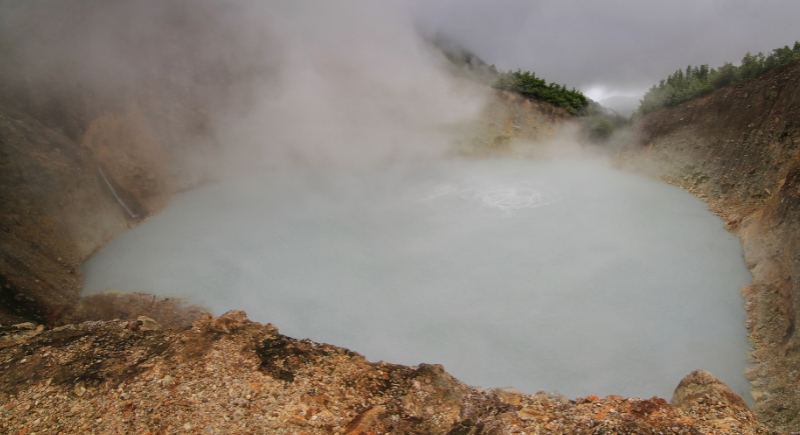
As the name suggests, this lake does not cool, settle, or stabilize. Boiling Lake is located within a volcanic zone. It stays near the boiling point year-round due to geothermal activity below, and the constant churning releases steam and acidic spray. Authorities require guided access because accidental exposure can cause severe burns long before anyone considers entering the water.
Lake Nyos, Cameroon
Credit: Canva
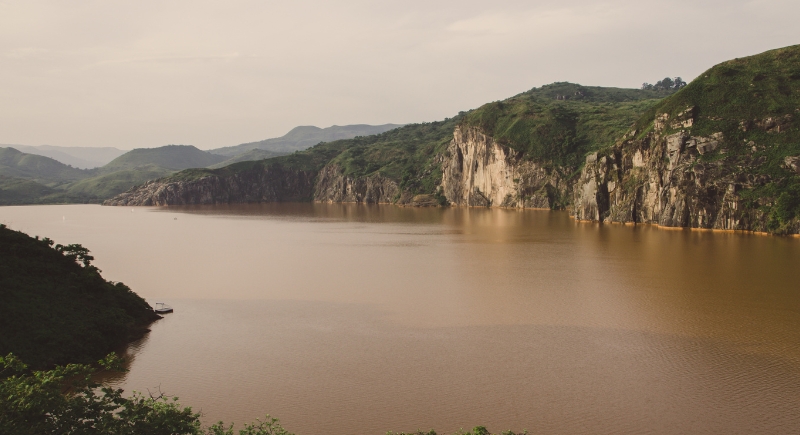
Lake Nyos is dangerous because of what builds beneath it. Carbon dioxide accumulates in deep layers under pressure. In 1986, a sudden release displaced oxygen across nearby valleys, killing about 1,700 people. Degassing systems now vent gas gradually, but the underlying risk still defines how the lake is managed.
Laguna Caliente, Costa Rica
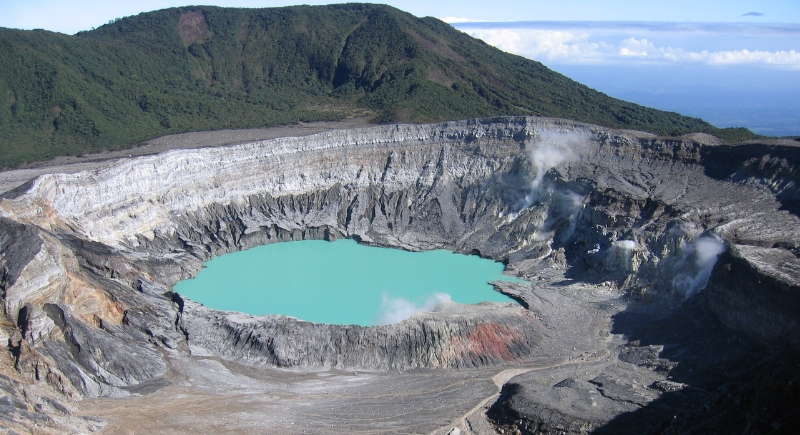
Credit: Wikimedia Commons
Laguna Caliente, situated within an active volcanic crater, undergoes rapid changes in response to volcanic conditions. Its acidity can approach battery-acid levels during active phases, and sulfur dioxide gas frequently drifts across the surface. Temperature spikes occur without warning during eruptions. The lake remains closely monitored, as chemical exposure and respiratory irritation pose immediate threats.
Lake Chagan, Kazakhstan
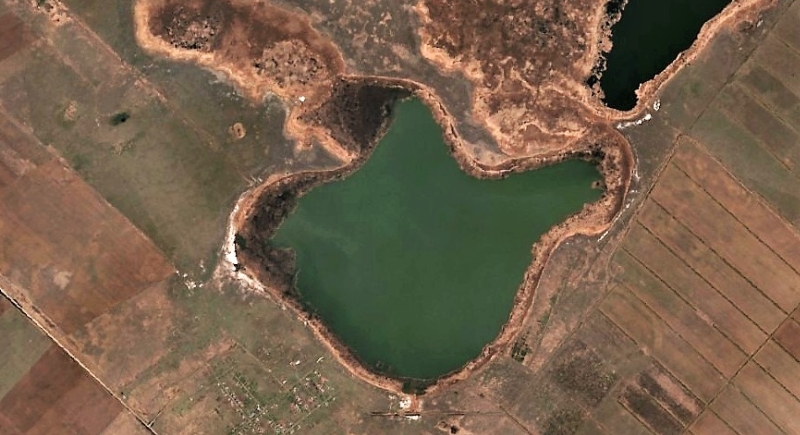
Credit: Wikimedia Commons
This lake exists because of a Cold War weapons test rather than natural processes. In 1965, a nuclear detonation created the basin, leaving radioactive sediment behind. According to International Atomic Energy Agency reports, contamination remains in both water and soil, which is why swimming is banned here.
Horseshoe Lake, California
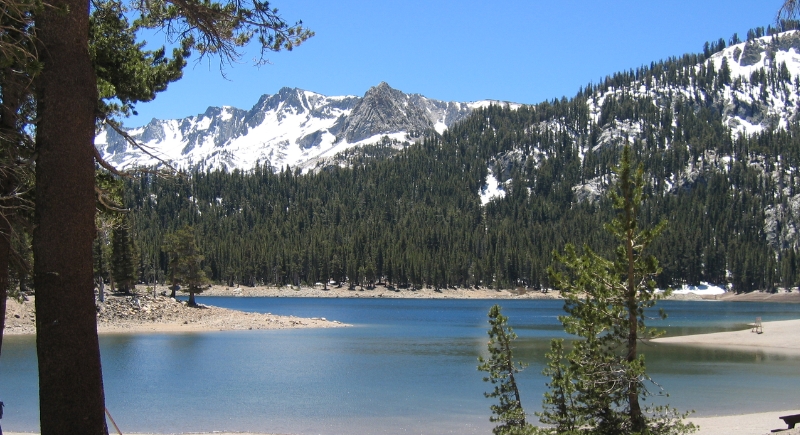
Credit: Wikimedia Commons
Volcanic gas poses the primary danger here. Carbon dioxide seeps from the ground and settles near the surface, displacing oxygen. The U.S. Forest Service has documented tree die-offs and animal fatalities in the area. Visitors are warned to stay on marked paths, as oxygen levels can drop without noticeable warning.
Monte Neme Quarry Lake, Spain
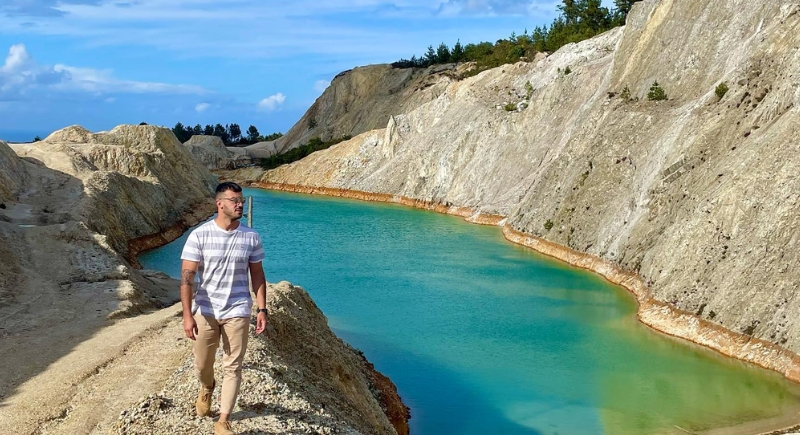
Credit: Instagram
The bright turquoise color is what pulls people in, especially online, but it comes from leftover mining materials rather than clean water. Local water authorities have flagged high aluminum levels and extreme acidity. Doctors have warned that contact can cause skin irritation, eye pain, and stomach issues, making swimming a bad idea despite appearances.
Onondaga Lake, New York
Credit: Getty Images
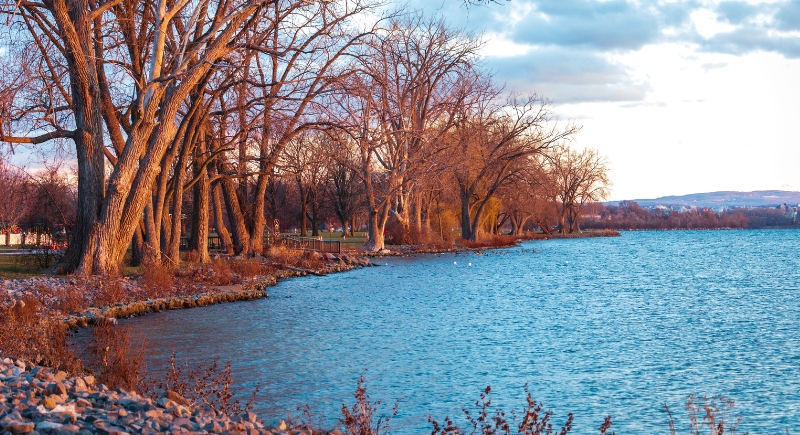
Decades of industrial discharge left a lasting impact on this body of water. Mercury, PCBs, and bacterial contamination built up over time, prompting a swimming ban as early as 1940. Although cleanup projects improved surface conditions, state advisories still warn against swimming and fish consumption due to lingering pollutants.
Lake Okeechobee, Florida
Credit: Getty Images
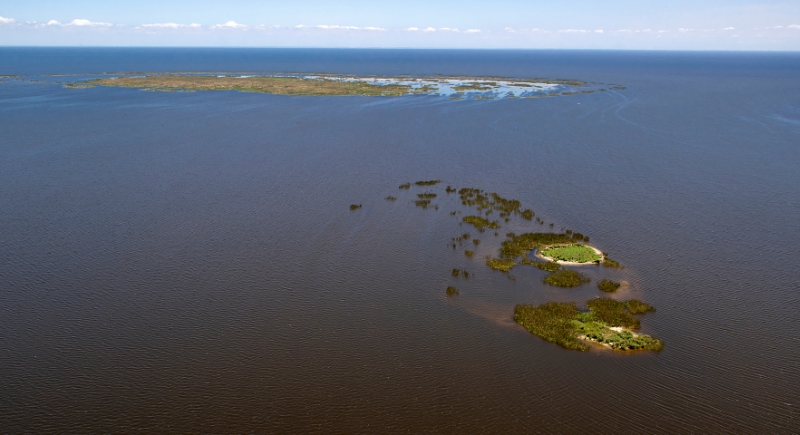
On many days, this lake looks calm and usable, which is part of the problem. During warmer months, toxic blue-green algae blooms can spread across the surface without much visual warning. The CDC links these blooms to liver and breathing problems, and people can be exposed simply by touching the water or breathing the air nearby.