Top 5 Cruise Lines For Customer Happiness In 2026 According To Consumer Reports
Cruise lines invest heavily in building larger ships, adding new attractions, and competing in an increasingly crowded industry. However, the features that draw attention are not always what passengers remember most after their trip. Even with water parks, multiple dining options, and nonstop entertainment, travelers usually evaluate their experience based on simpler factors: consistent service, worthwhile itineraries, quality of food, and overall value for money.
These are the same criteria used in Consumer Reports’ annual cruise rankings. Based on feedback from thousands of passengers, the 2026 results highlight five cruise lines that received especially strong satisfaction scores from travelers.
5. Azamara
Credit: Wikimedia Commons
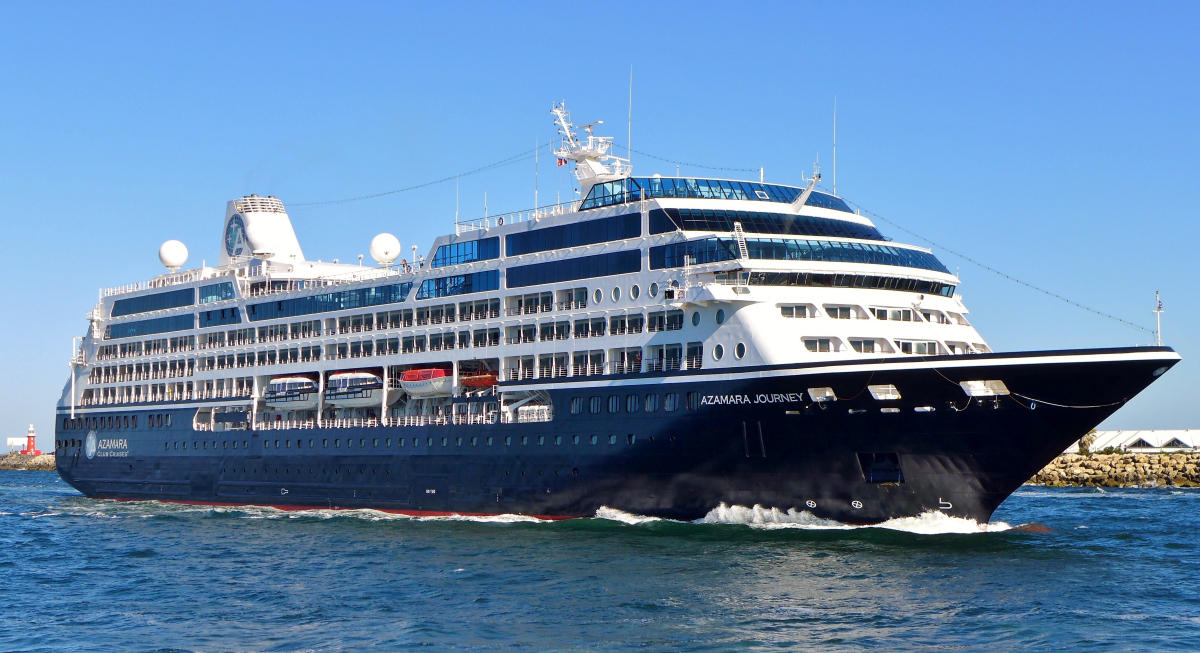
Many cruise itineraries are designed around maximizing the number of destinations passengers can check off during a voyage. Azamara built much of its reputation on giving travelers more time in each destination. The line is known for longer port stays and overnight visits. Its schedules allow guests to experience destinations beyond standard daytime sightseeing hours. Instead of rushing back to the ship before sunset, passengers can stay for dinner, attend evening events, or explore neighborhoods. The ships themselves are comfortable and refined, but they rarely compete with the destinations for attention.
4. Disney Cruise Line
Credit: Wikimedia Commons
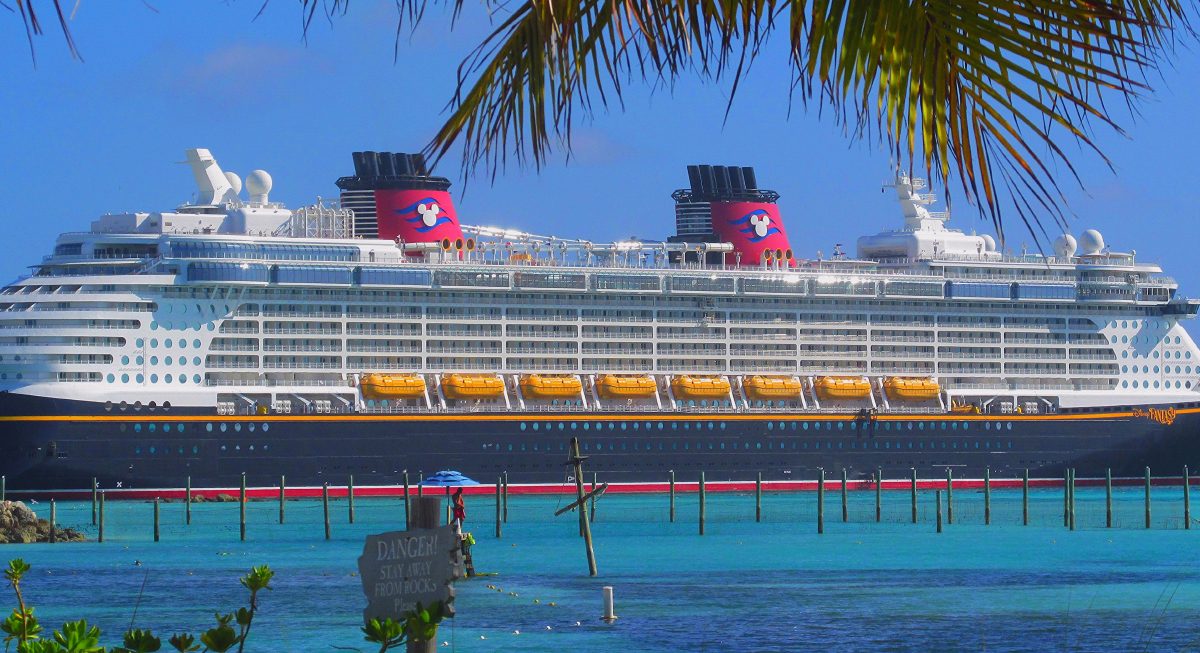
Disney Cruise Line has spent decades refining how to keep its diverse travelers entertained on vacation. Character meet-and-greets, themed dining experiences, and Broadway-style productions may attract headlines, but the company’s real strength is coordination. Children’s clubs, dining rotations, activity schedules, and adult-only spaces are designed to function together without creating constant friction for families. The vacation package is highly organized despite serving guests with very different interests and expectations.
3. Viking
Credit: Wikimedia Commons
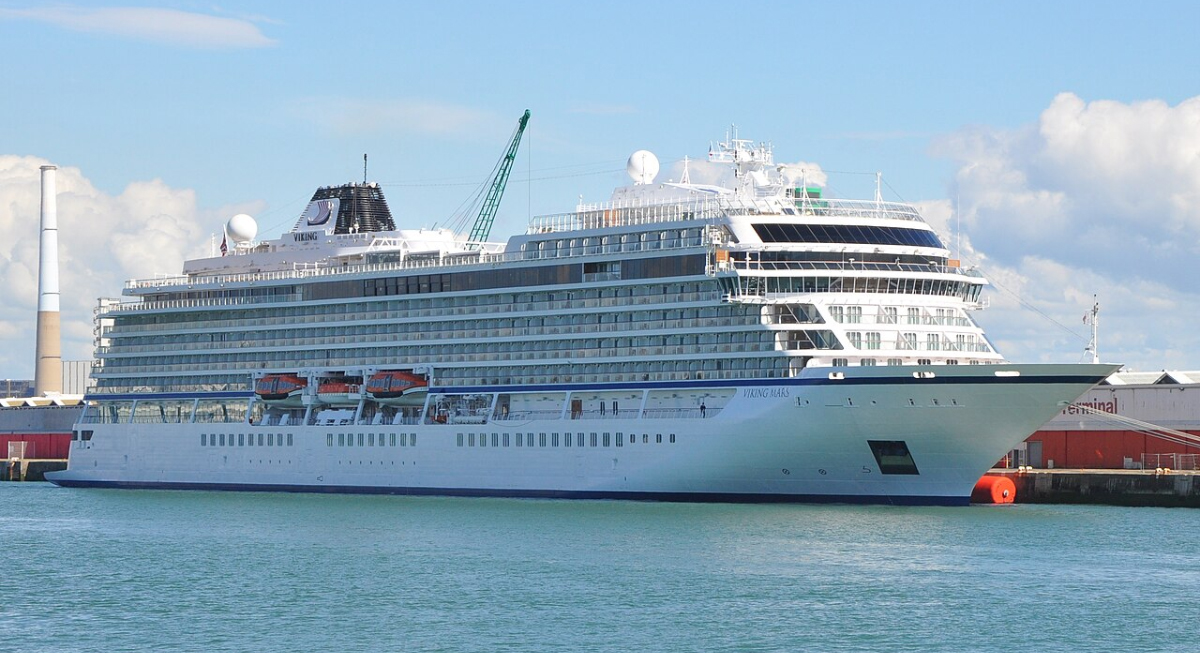
Specialization can be a powerful business strategy when the product consistently delivers on its promise. Instead of adding features to appeal to the broadest possible audience, Viking took a different path and became one of the industry’s most recognizable brands in the process. Its ocean ships exclude casinos, children’s programming, waterslides, and many of the attractions commonly associated with modern cruising. Instead, Viking invested in destination lectures, curated excursions, and libraries. The decision narrowed the company’s audience but strengthened its identity. Travelers boarding a Viking ship generally know exactly what kind of experience awaits them.
2. Windstar Cruises
Credit: Wikimedia Commons
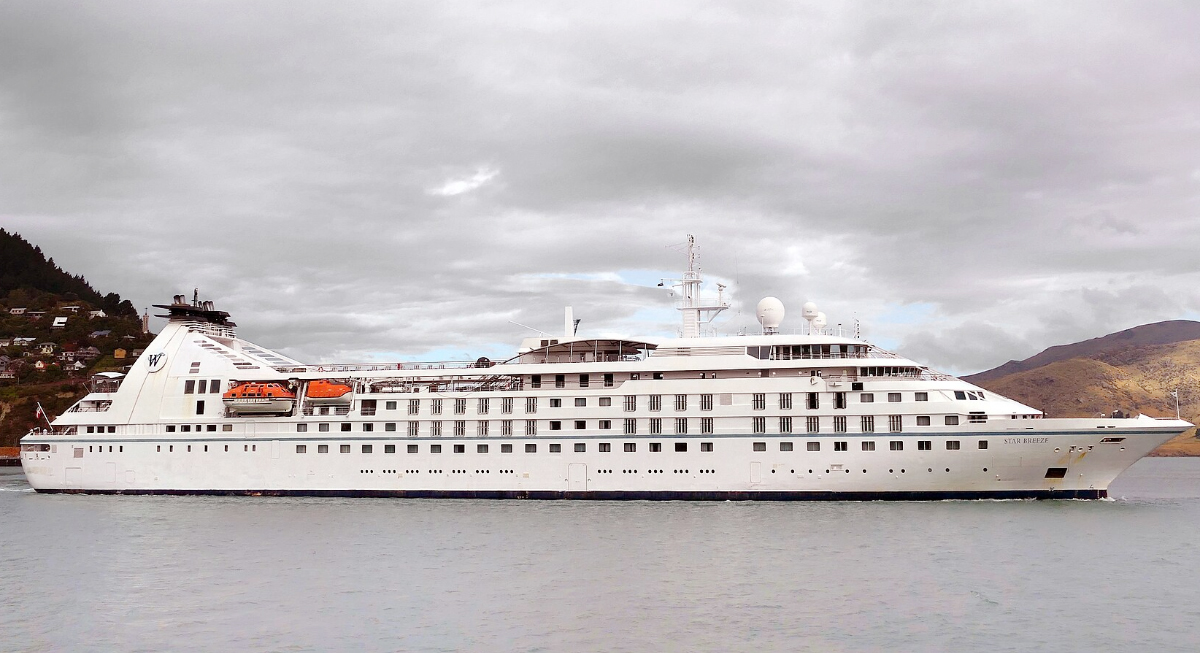
The difference between carrying 300 passengers and carrying 5,000 passengers goes beyond a simple headcount. It influences everything from service levels and dining experiences to the types of ports a ship can access. Windstar Cruises sailing yachts and all-suite motor yachts operate on a much smaller scale than mainstream cruise ships. Crew members interact with fewer guests, embarkation moves more efficiently, and itineraries can include ports that larger vessels must bypass.
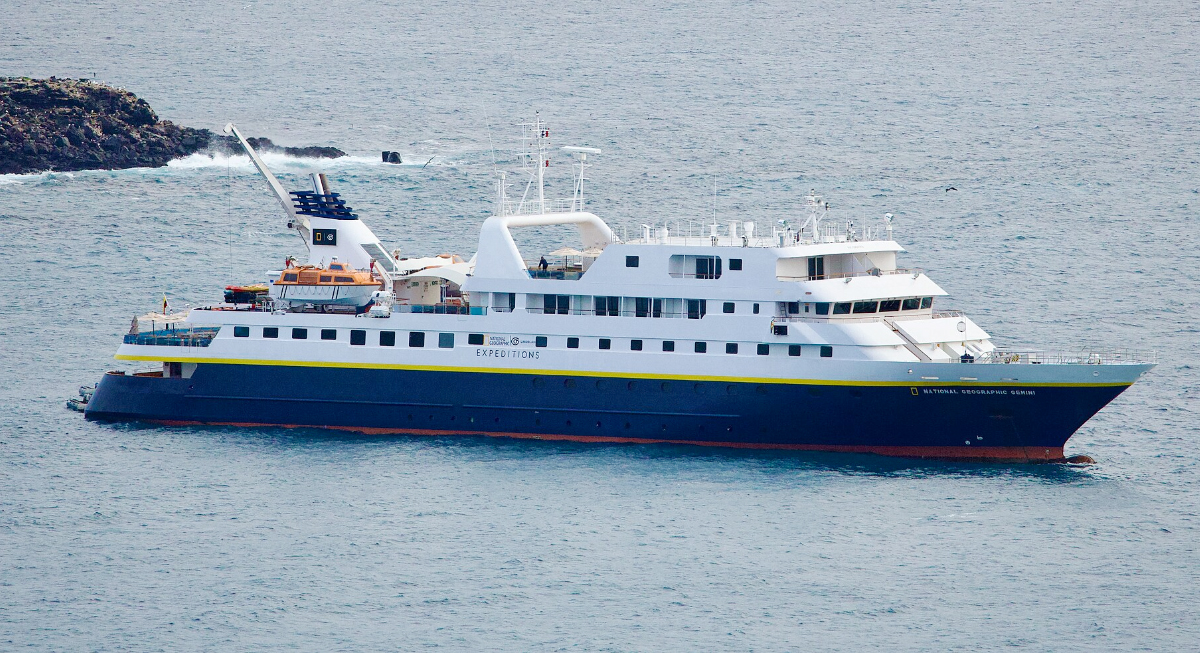
1. National Geographic-Lindblad Expeditions
Credit: Wikimedia Commons
For much of its history, expedition cruising occupied a relatively small corner of the travel industry. The audience largely consisted of wildlife enthusiasts, photographers, researchers, and adventurous travelers willing to trade onboard entertainment for access to remote regions. The success of National Geographic-Lindblad Expeditions tells us that this style of travel has become far more influential. The company specializes in destinations such as Antarctica, the Galápagos, Alaska, and the Arctic, where naturalists, scientists, and expedition leaders play central roles in the experience. Zodiac landings, wildlife encounters, and educational programming replace many of the attractions found on conventional cruise ships.