10 Tips for Your First Stargazing Adventure in Rural Wales
Going out to see the stars in rural Wales is all about making a few correct decisions before you arrive. There are a couple of great tips that, if followed, can actually improve a first-time visit. The country offers some of the darkest skies in the world, but visibility still depends on where you go, when you go, and how you set yourself up once you get there.
Choose Between Easy Access and True Darkness
Credit: pexels
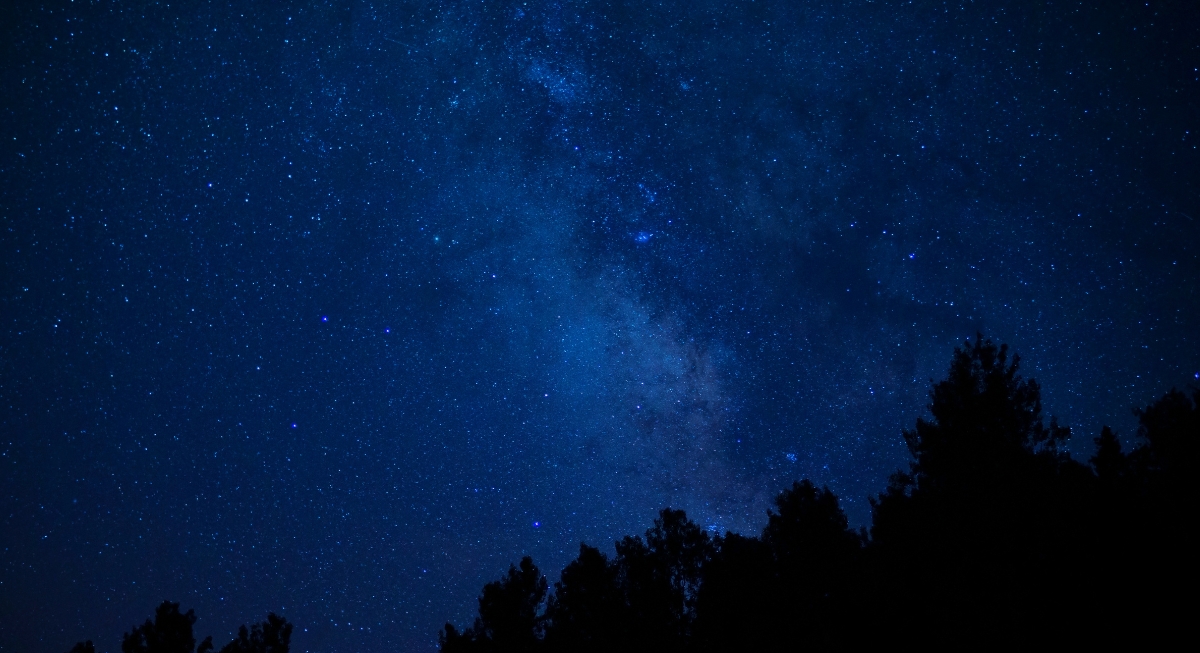
Not every dark sky location in Wales requires a hike. Designated Discovery Sites are easier to reach, often with parking and clear access paths. Deeper areas inside reserves or remote mountain regions offer darker skies but require more effort and planning. Deciding upfront whether you want convenience or maximum darkness prevents you from overcommitting or underpreparing.
Use Certified Dark Sky Areas as Your Baseline
Credit: Wikimedia Commons
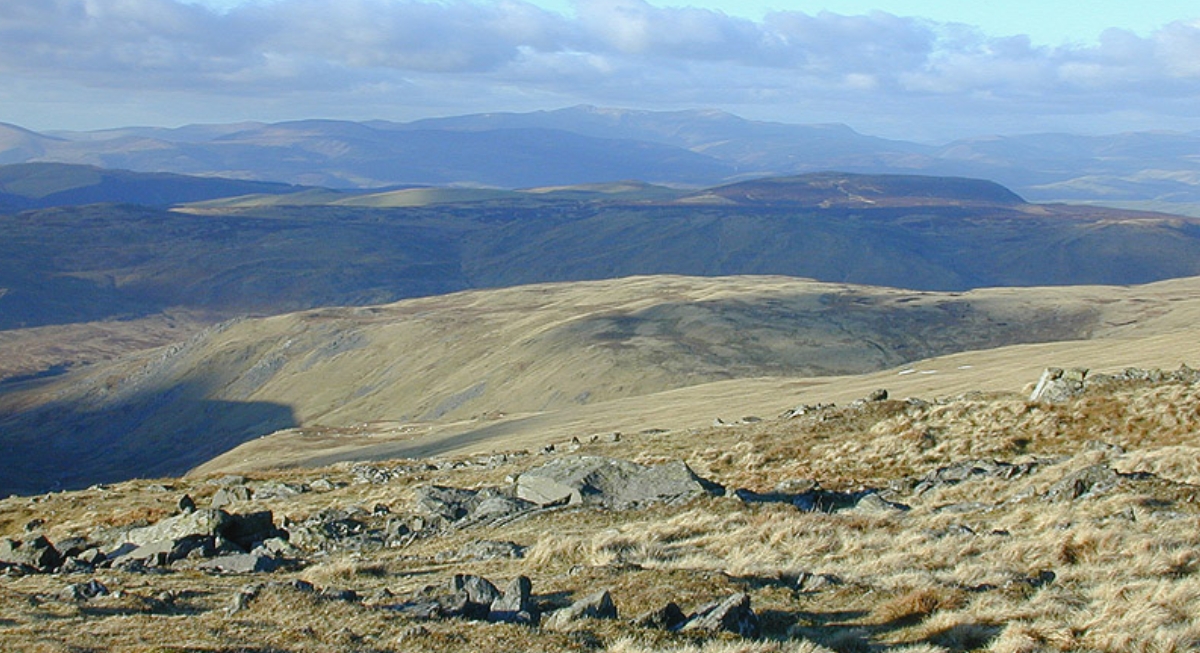
Wales has one of the highest proportions of protected night skies anywhere, with large areas officially designated and managed to limit light pollution. Locations like the Elan Valley, Snowdonia, and the Cambrian Mountains are not just dark by chance; they are deliberately kept that way. Starting in these areas increases your chances of consistent visibility.
Plan Around the New Moon, Not the Calendar
Credit: Wikimedia Commons
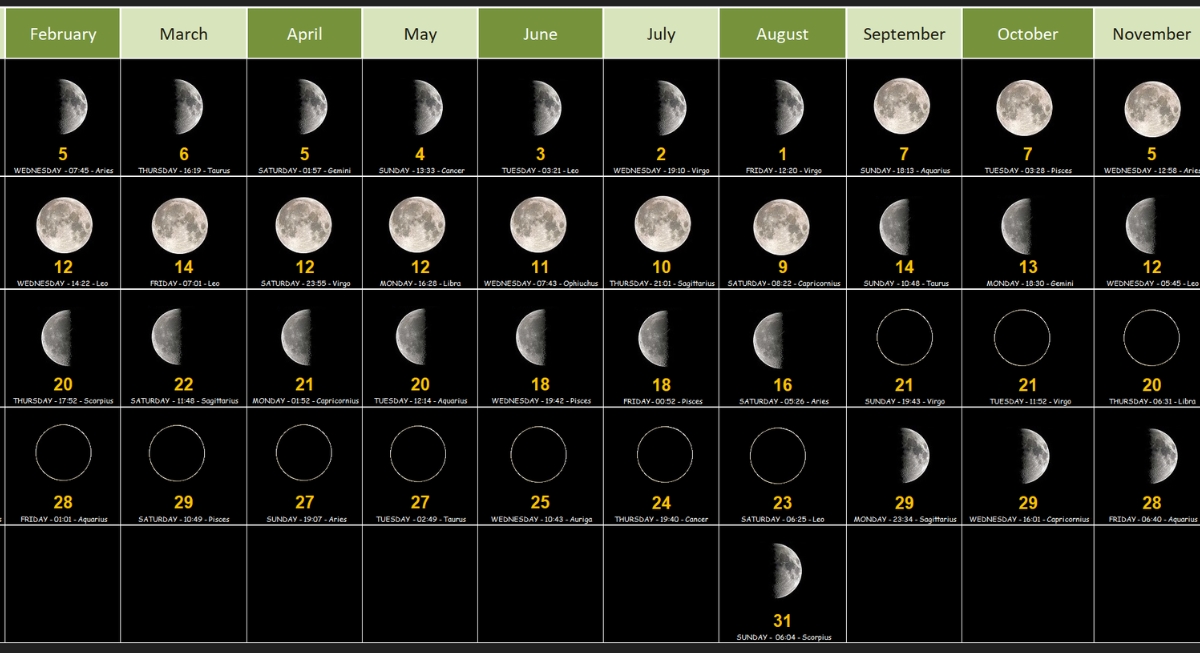
A clear night is not enough if the moon is bright. Light from a full or near-full moon washes out fainter stars and the Milky Way. The darkest skies occur in the days surrounding a new moon, when lunar light is minimal. Checking moon phases before planning your trip has a bigger impact on what you see than simply picking a random clear night.
Pick Seasons That Give You More Time Under Darkness
Credit: pexels
Autumn, winter, and early spring offer longer nights and extended viewing windows. Summer still allows stargazing, but shorter nights limit how long the sky stays fully dark. In rural Wales, where conditions can change quickly, having more hours of darkness increases your chances of catching clear skies at some point during the night.
Check Cloud Cover With Precision Before You Leave
Credit: pexels
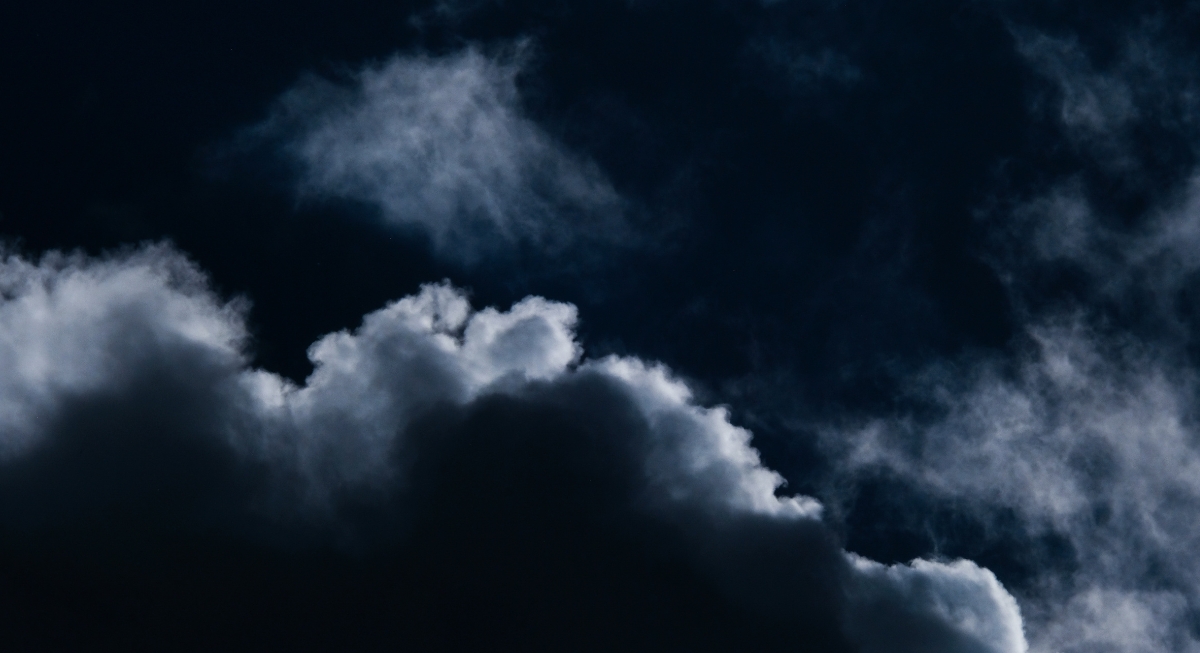
Clear skies are non-negotiable. Wales’ weather shifts quickly, especially in mountainous regions, so general forecasts are not enough. Look for detailed cloud cover predictions specific to your location and time. Even a thin layer of cloud will block most stars, making this one of the most important checks before committing to a drive.
Move Further Than You Think From Light Sources
Credit: pexels
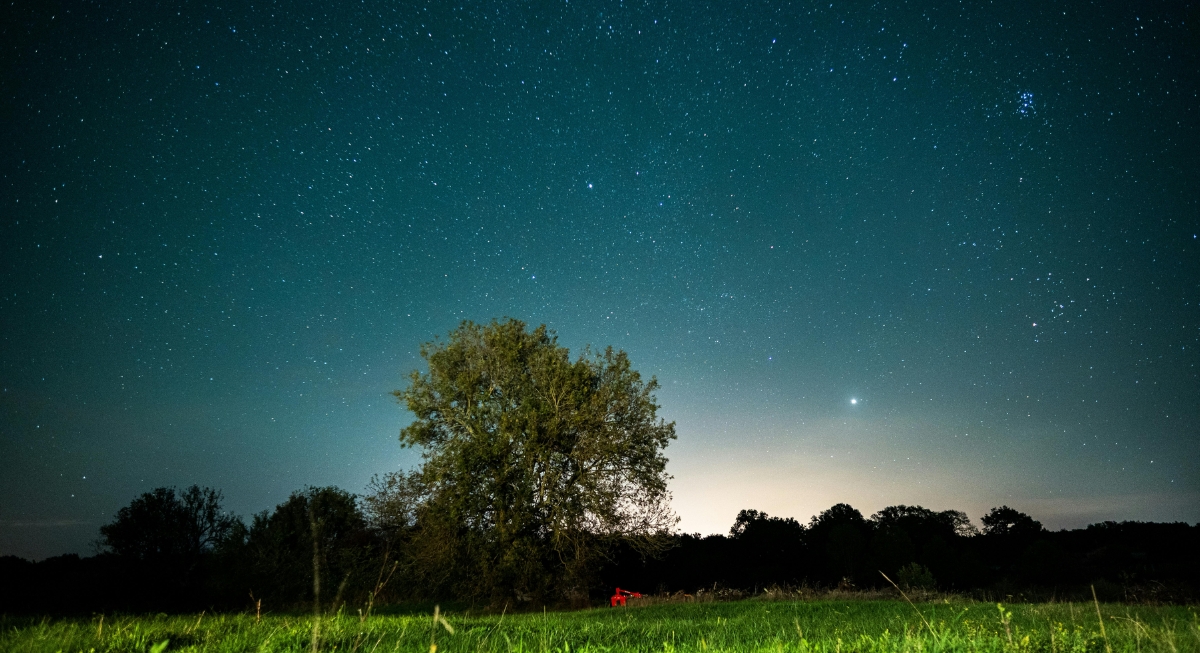
Being in the countryside is not always enough. Light from distant towns, roads, or isolated buildings can still affect visibility. Position yourself so that artificial light is behind you or blocked by terrain. Once in place, allow 20–30 minutes for your eyes to adjust fully, and avoid checking your phone, which can immediately undo that process.
Dress for Stillness, Not Just Temperature
Credit: pexels
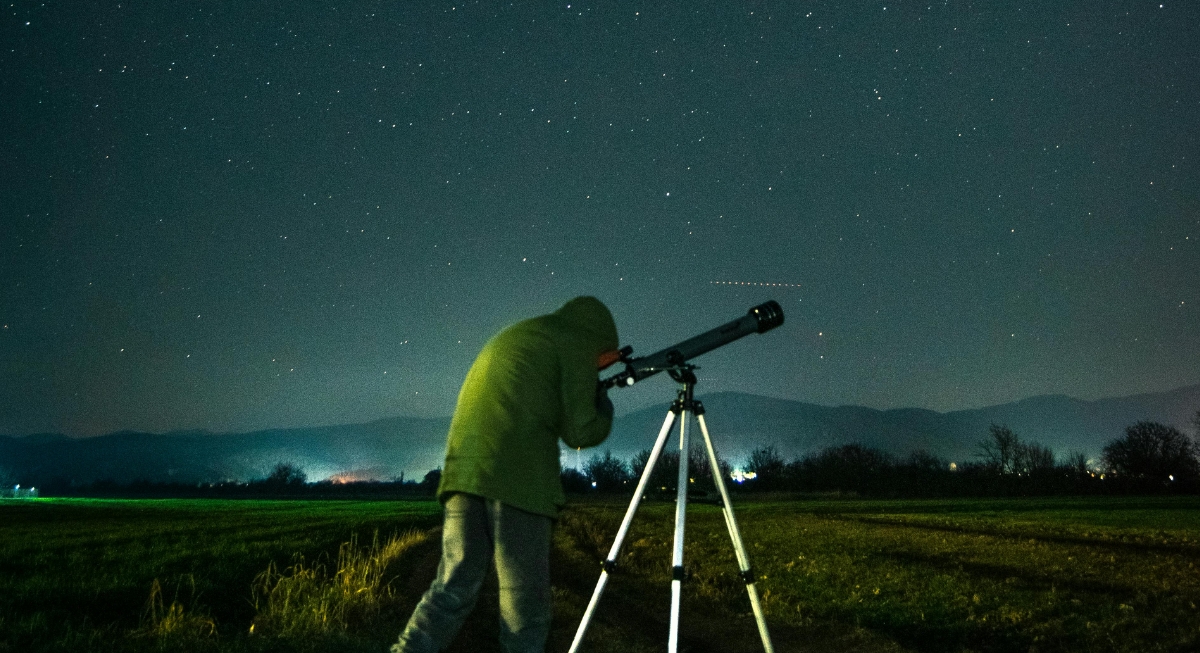
Standing or sitting in one place for long periods feels colder than walking. Even on mild days, nighttime temperatures in rural Wales drop quickly, especially at higher elevations. Layers, wind protection, and insulated clothing make a noticeable difference. Staying warm allows you to remain outside longer without distraction or discomfort.
Bring Something That Lets You Look Up Comfortably
Credit: pexels
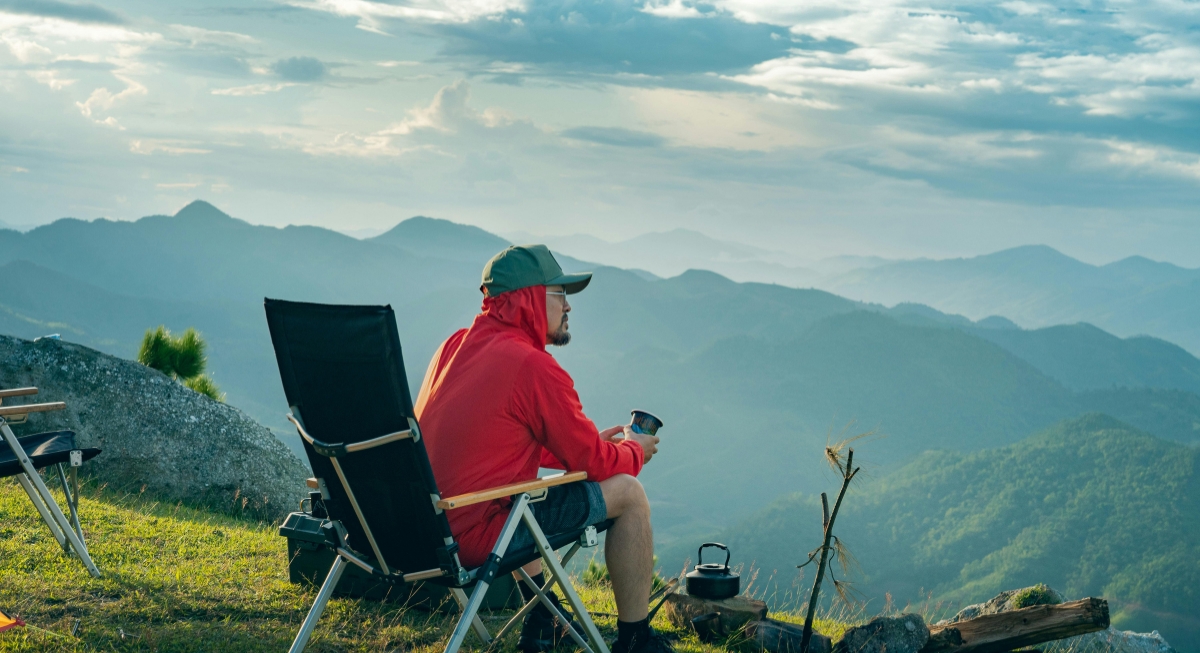
Looking upward for extended periods strains your neck and shortens your session. A reclining chair, blanket, or even lying flat on the ground allows you to hold a steady viewing position. Instead of shifting constantly, you can stay still long enough to notice faint stars, slow movement across the sky, and subtle changes in brightness.
Start With Your Eyes, Then Add Equipment
Credit: pixabay
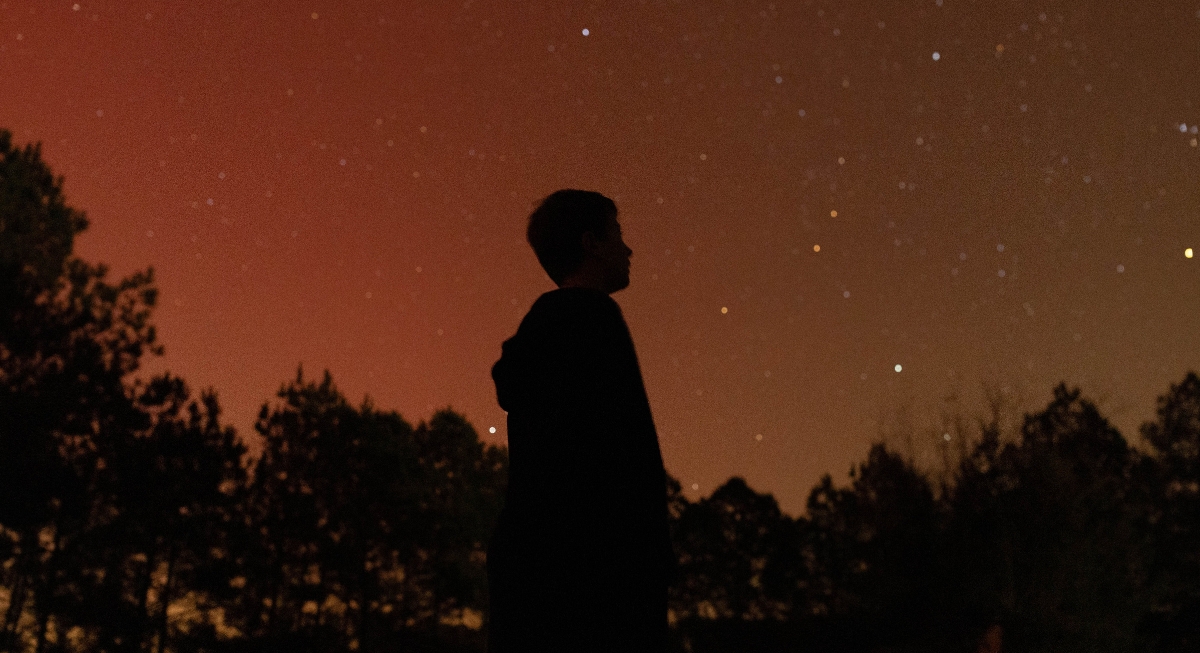
A first session does not require a telescope. Under dark Welsh skies, many constellations and even the Milky Way are visible without any tools. Binoculars can reveal more detail once you are comfortable. Beginning without equipment helps you understand how the sky looks naturally before introducing magnification.
Know What to Look For Before You Arrive
Credit: Canva
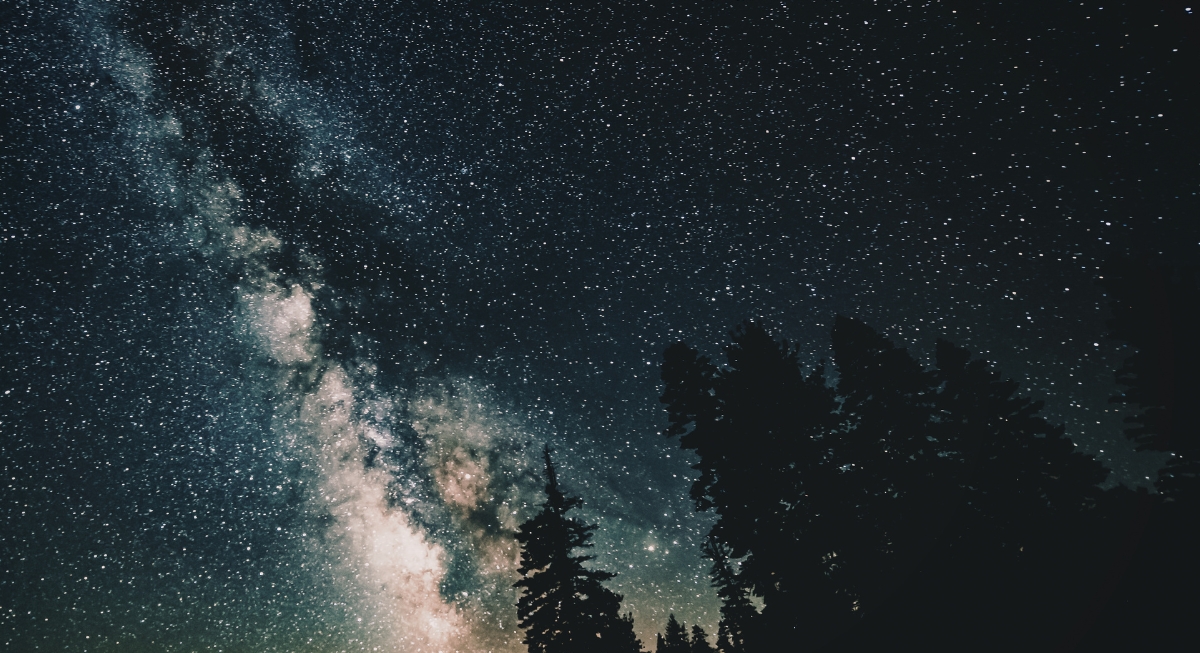
Recognizing a few constellations changes the experience immediately. Ursa Major can help you find Polaris, while Orion becomes clearer as your eyes adjust. In darker areas of Wales, clusters like the Pleiades stand out more easily. Having specific reference points gives structure to what you see and makes the experience easier to follow.