This Street in Japan Is Buried Under 65 Feet of Snow
Snowfall in Japan varies widely by region, but one mountain road receives totals that shut it down for nearly half the year. Seasonal accumulation can sometimes reach about 65 feet, enough to bury infrastructure built specifically to handle extreme weather.
The scale still surprises people who see it for the first time, because it comes down to geography, elevation, and weather patterns that stack snow faster than it can melt.
Where The Snow Actually Piles Up
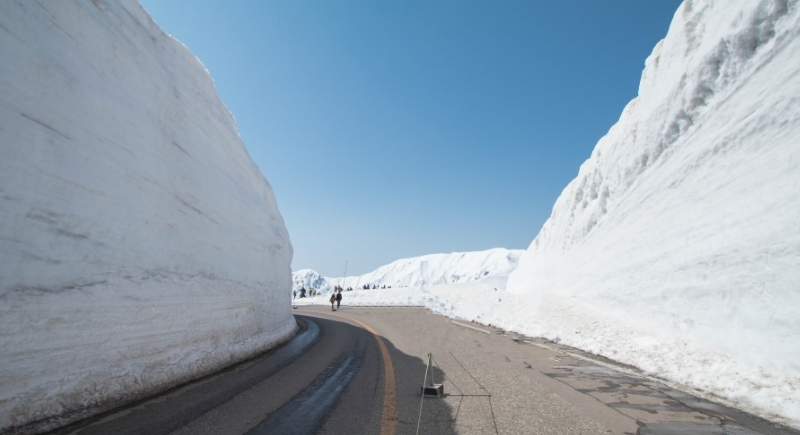
Image via Getty Images/Umarin Nakamura
The road is situated along the Tateyama Kurobe Alpine Route, which is a 23-mile sightseeing route linking Tateyama and Ōmachi. The route climbs roughly 6,500 feet through Japan’s Northern Alps. These Alps are known for intense winter storms driven by moisture-heavy winds off the Sea of Japan.
Snowfall can sometimes reach about 65 feet during peak winters, but that number is not spread evenly. Certain sections trap drifting snow in natural bowls and cutaways, especially near the highest elevations. By midwinter, parts of the road are submerged entirely.
This stretch has dealt with heavy snow long before it became famous. The route opened in 1971, and planners built it with the understanding that winter access would always be limited. Closing the road for several months each year was part of the design.
How Crews Cut A Road Through A Wall Of Snow
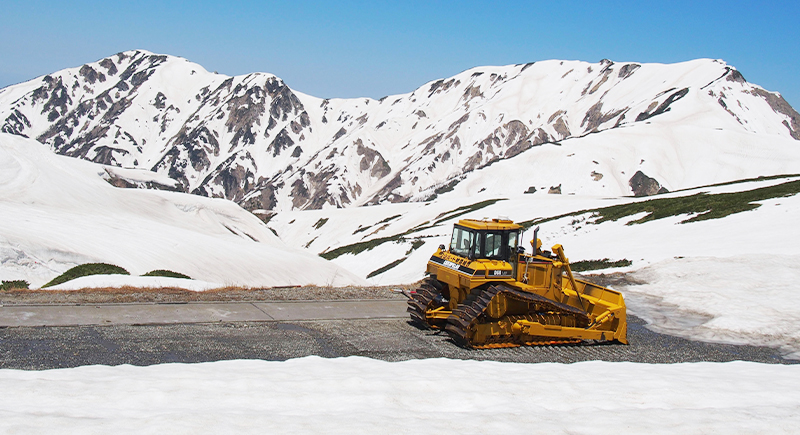
Image via pexels/Robs Quiambao
As spring approaches, specialized snow-clearing teams arrive with GPS-guided plows and massive rotary blowers. The goal is to carve a drivable path straight through the accumulated snowpack without destabilizing it. The process creates vertical snow walls that can tower over vehicles and pedestrians.
The most famous section is often referred to as the Snow Corridor Walk, where visitors can stroll between the snow walls once conditions permit foot traffic. The walls typically remain standing into late June, depending on temperatures and snowfall from the previous winter.
Why The Road Only Opens Part Of The Year
Despite the dramatic visuals, this road operates on a tight schedule. Winter shuts it down completely, usually starting in late November. Clearing begins in early spring, and full access typically opens around mid-April.
In 2026, officials plan operations to run from approximately April 15 to November 30, assuming favorable weather conditions. Even during open months, conditions can change quickly at higher elevations, which is why traffic moves through the route using a mix of buses, cable cars, and ropeways instead of private vehicles the entire way.
Visitors now time their trips specifically to see the snow walls while they are still standing. The visual contrast between towering snow and spring skies pulls in travelers who might never have noticed the route otherwise.
The alpine route approaches its 55th anniversary in 2026.