This Remote UK Island Waits Until January to Celebrate Christmas
Most of the UK has moved on from mince pies and fairy lights by the time January arrives. On Foula, that is when Christmas finally begins. While the rest of the country returns to normal routines, this small island celebrates the holiday on its own schedule.
Foula is located far out in the North Atlantic, west of the Shetland mainland, with a population of roughly 30 to 40 people. It is often described as the UK’s most isolated inhabited island. The festive calendar fits right in.
Why Christmas Falls in January on Foula
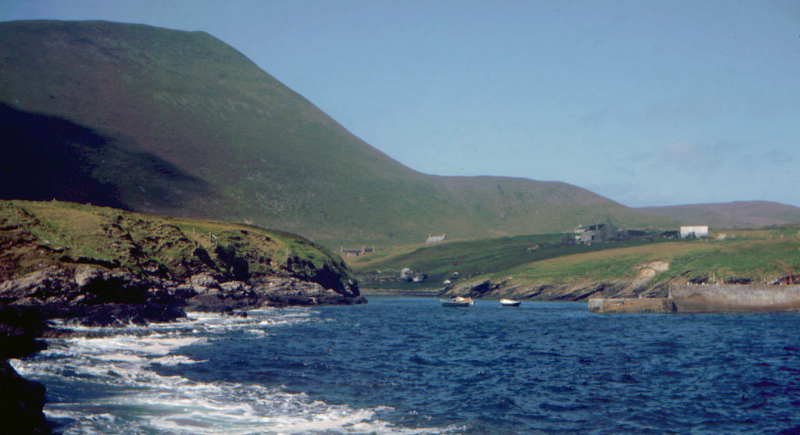
Image via Wikimedia Commons/Dr Julian Paren
The reason behind Foula’s January Christmas has nothing to do with modern preferences and everything to do with history. Britain officially adopted the Gregorian calendar in 1752, but Foula continued using key dates tied to the older Julian calendar for certain traditions.
Over time, the two calendars drifted further apart. A leap year adjustment in 1900 widened the gap and pushed Christmas and New Year nearly two weeks later than elsewhere. As a result, Foula celebrates Christmas, known locally as Yule, on January 6, with New Year’s Day following on January 13.
Islanders do not follow the Julian calendar for everyday logistics. Flights, ferries, work schedules, and deliveries align with the modern system. When it comes to these holidays, though, the old dates remain fixed.
A Celebration Shaped by Community, Not Commerce
Christmas on Foula feels familiar in spirit but different in scale. Families spend the morning at home with food and presents, much like anywhere else. As the day goes on, the focus shifts outward.
People make a point of visiting every house, sharing music, conversation, and drinks with one another. The evening often ends with a late gathering in one home. With no pubs or shops, the celebration depends entirely on the people who live there.
Residents often describe the holiday as less commercial and more grounded in connection. Weather plays a role, too, and if conditions are rough, plans change. On Foula, flexibility is part of everyday life.
Life on One of Britain’s Most Isolated Islands
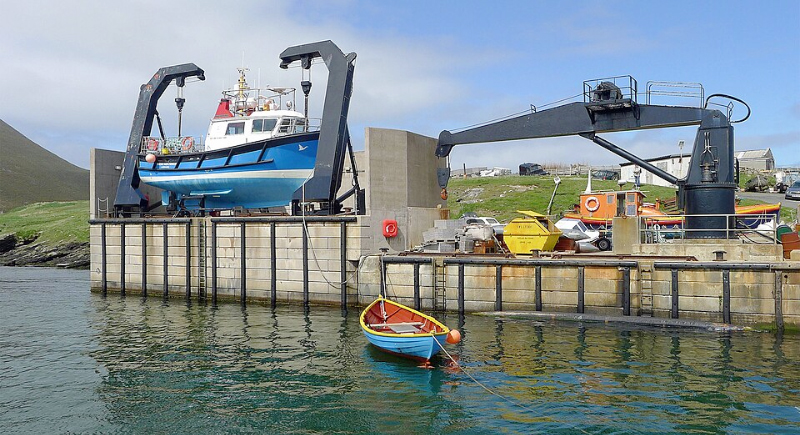
Image via Wikimedia Commons/Dr Julian Paren
Foula lies about 16 to 20 miles west of the Shetland mainland and measures less than five miles across. It has no national grid connection and relies on renewable energy supported by generators. Supplies arrive by ferry or small plane when conditions allow.
Despite the isolation, island life stays busy. Many residents hold multiple roles, including ferry crew, mail delivery, farming, guiding visitors, and maintaining essential services. Everyone contributes.
The island also carries strong Norse roots. Foula was among the last places where the old Norn language survived, and traces of that heritage remain in music, folklore, and customs. The January holidays are one of the clearest links to that past.
Two Christmases, Two New Years
For islanders who have lived or studied on the mainland, Foula provides an unusual perk. They often celebrate the standard December holidays elsewhere, then return home for a second round in January. It is a pattern that feels normal to locals and intriguing to visitors.
The January New Year follows its own customs as well. Islanders go house to house, share drinks, and make a small effort at tasks they hope to do well in the year ahead.