This Private Island Costs Less Than an Average American Home
Owning a private island usually sounds like the kind of luxury reserved for billionaires and celebrities. Most people assume the price would be far beyond what a typical home costs. In reality, the numbers can be more surprising than expected.
The median price of an existing home in the United States has hovered around the mid-$400,000 range in recent years, and homes in cities like New York or Los Angeles often sell for much more. Against that backdrop, a five-acre private island in the Caribbean listed at about $475,000 starts to look far less out of reach than most people imagine.
A Five-Acre Alternative to Suburbia
Iguana Island is located 12 miles off the coast of Bluefields on Nicaragua’s Caribbean side. It is listed by Private Islands Inc. for $475,000. For roughly the cost of a suburban American home in many regions, the listing includes full ownership of the island, a three-bedroom, two-bathroom residence, and established infrastructure.
The house is fully built and functional. It contains a kitchen, living room, dining room, bar area, and wraparound porch. Cell service and internet connectivity are available. The property also includes a 28-foot-tall watchtower, docks, boardwalks, and established vegetation such as coconut palms and banana trees.
According to the listing, the island sits outside the primary Caribbean hurricane belt, which may influence long-term risk considerations.
Infrastructure Already in Place
The property has been featured on HGTV’s Island Hunters, and the island staff is reported to be familiar with maintaining the grounds. The listing notes potential space for additions such as a helipad or swimming pool, subject to further investment and permitting.
When measured strictly in acreage, five private acres with direct ocean access represent a scale rarely found in standard U.S. residential purchases.
In many metropolitan areas, $475,000 may secure a condominium, townhouse, or detached home on a significantly smaller lot. In higher-cost cities, that amount may not even reach the median entry point.
The Practical Realities of Island Ownership
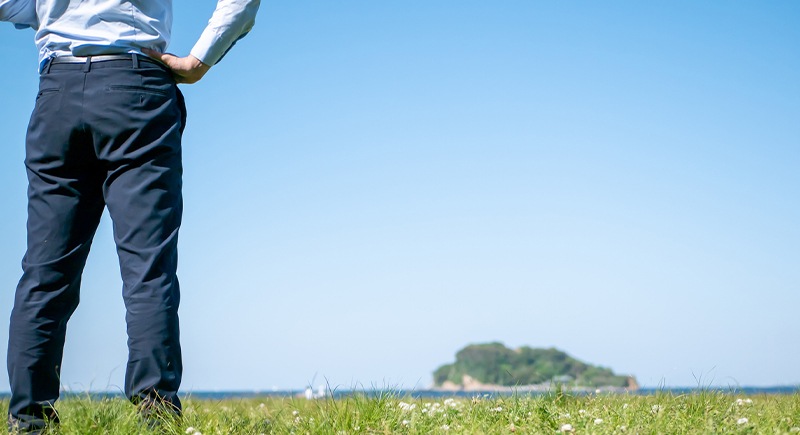
Image via iStockphoto/kk-istock
Buying an island works very differently from purchasing a typical suburban home. In Nicaragua, buyers need to understand local property laws, taxes, and ownership regulations before completing a sale.
Daily logistics also require planning. Access depends on boats from the mainland, and bringing in construction materials, utilities, or maintenance services takes more coordination than most homeowners are used to. Insurance and financing options can also differ from standard U.S. mortgages.
The real trade-off comes down to lifestyle. An island offers privacy and uninterrupted ocean views, while a suburban home provides easy access to schools, jobs, healthcare, and public services. Even so, the fact that both can sit within a similar price range shows how global property markets are shifting.