There Is an Army of Tanks at the Bottom of the Red Sea
You don’t expect to find military vehicles underwater, especially not as something people swim out to see. But off the coast of Aqaba, that’s exactly what you get. In 2019, Jordan sank a collection of retired army equipment into the Red Sea and turned it into an underwater site designed for divers and snorkelers.
Tanks, helicopters, armored carriers, and anti-aircraft guns now rest on the seabed, some as deep as 28 meters. Together, they form a site that brings together military history, tourism, and environmental planning.
A Battlefield That Was Built, Then Sunk
The Underwater Military Museum in Aqaba did not happen by accident. The Aqaba Special Economic Zone Authority, working with the Jordanian Armed Forces, planned the installation for about 30 days and completed the sinking process over seven days leading up to its launch on July 25, 2019.
A total of 19 to 21 decommissioned military vehicles were placed in a specific formation. The equipment was arranged to resemble a battle lineup, creating a structured path that guides divers through the site.
The collection includes Chieftain tanks, also known locally as Khalid Shir tanks, along with FV701 Ferret armored cars, FV101 Scorpion light tanks, a troop carrier, an ambulance, anti-aircraft guns such as the M42 Duster, and even Bell AH-1F Cobra helicopters. Each piece was once served in the Jordanian military before being retired and prepared for its new role underwater.
The Layout Pulls You Deeper
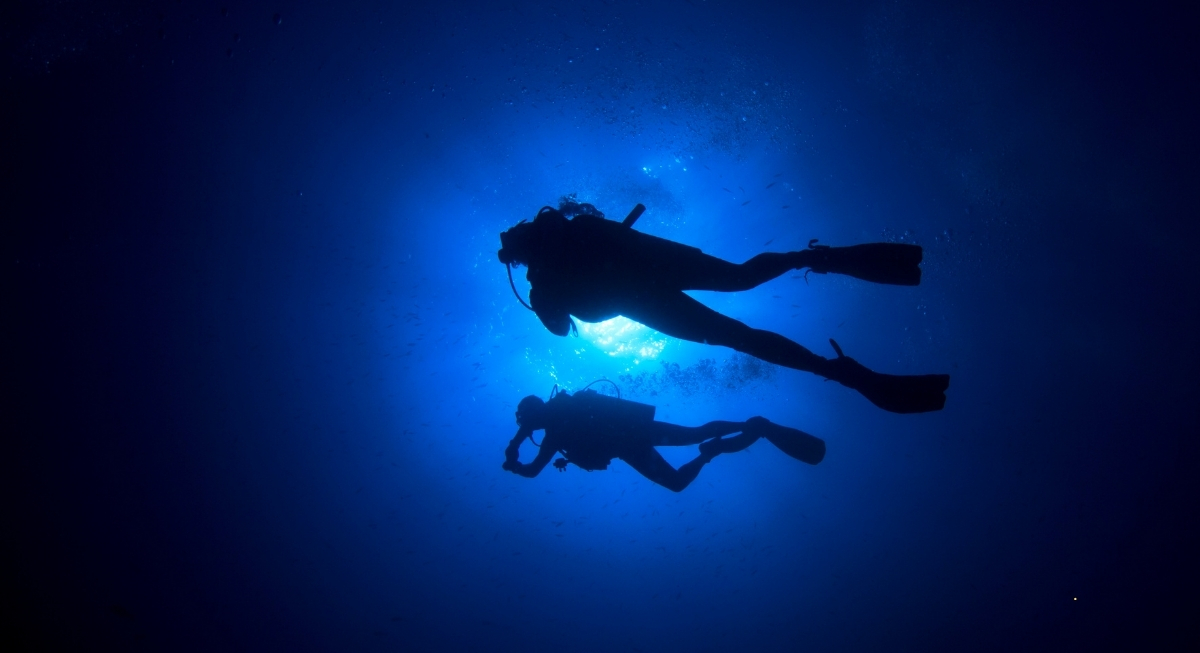
Image via Getty Images/richcarey
The design works in layers, and that is where the experience starts building distinctly. At around 7 meters, the first vehicles appear, including the Willis MB Jeep. This shallow entry point allows snorkelers and beginner divers to access the site without going far below the surface.
Once you move down to about 15 meters, the structure becomes clear. Rows of armored vehicles line up in formation, placed on a gentle slope that naturally leads divers forward. The deeper sections, between 25 and 28 meters, hold the largest pieces, including helicopters and heavy artillery like the M1 155 mm field gun..
Built With the Ocean in Mind
The project was designed with more than tourism in mind. Before anything was submerged, all hazardous materials were removed to meet environmental standards. The chosen location was not a thriving reef but a sandy area with limited marine life.
Instead of disrupting an existing ecosystem, the installation created a new one. The structures are expected to act as artificial reefs, giving coral and fish a surface to grow and gather. Over time, marine life has started to settle in, turning rigid metal into part of the underwater environment.
Not Just a Dive for Experts
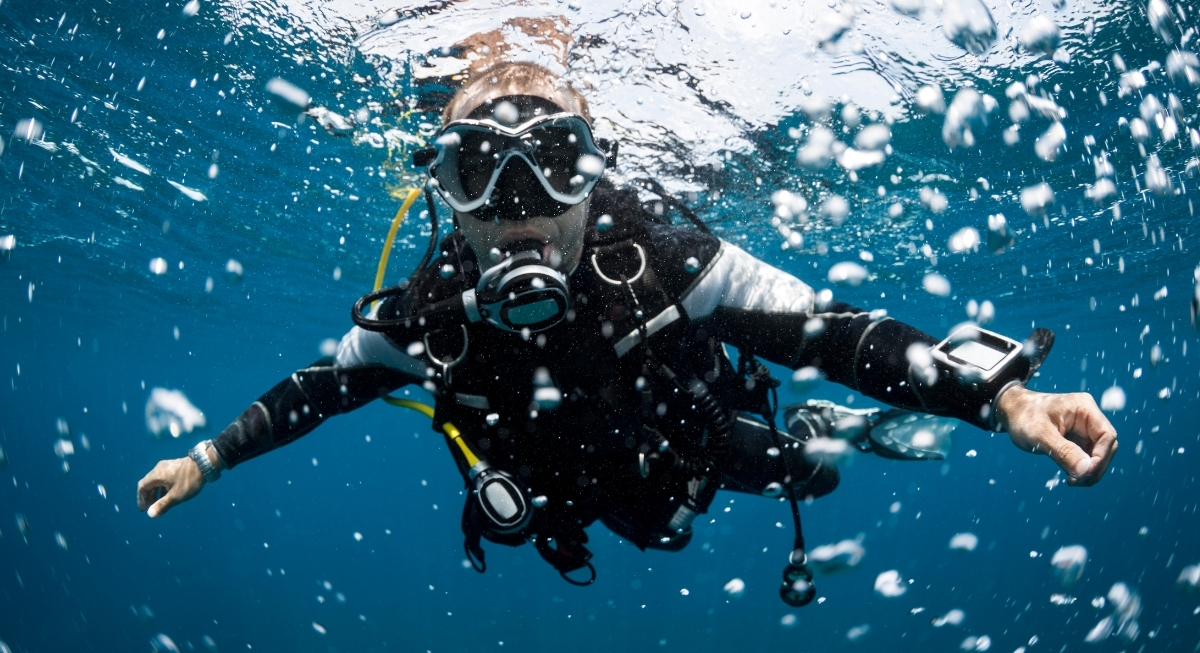
Image via Getty Images/EXTREME-PHOTOGRAPHER
The depth range, roughly 7 to 28 meters, makes the site accessible to divers of different skill levels. Snorkelers can stay near the surface and still see parts of the installation, while experienced divers can reach the deeper sections.
Visibility in the area often exceeds 25 meters, which makes the layout clearly visible even before reaching each piece. That adds to the sense of scale, especially as larger vehicles come into view. The setup also allows multiple ways to explore. Some visitors stick to the upper sections, while others follow the full route through the formation.