The World’s First Commercial Space Hotel Is Scheduled to Open in 2027
The next frontier of tourism may be here. Holiday brochures may soon feature a new destination alongside beach getaways and mountain cabins: a rotating hotel orbiting Earth. A California-based company, Above: Space Development Corporation, is working toward opening Voyager Station, a commercial space hotel they hope to welcome guests to as early as 2027. While the concept of an orbiting space station has existed for decades, this version has an actual plan, test hardware in development, and a design inspired by one of aerospace’s oldest dreams.
A Hotel That Spins To Create Gravity
Voyager Station follows a concept that first appeared in early 20th-century research and later caught wider attention when Wernher von Braun promoted the rotating wheel model. By spinning about one and a half times per minute, the station is designed to create artificial gravity along its outer ring.
That simulated pull will start at a lunar level and can be increased once designers learn how guests respond to it.
Visitors would dock at a still, zero-gravity hub before traveling through pressurized shafts that lead to the spinning modules. The transition from full float to gentle gravity is part of the experience and offers both the novelty of weightlessness and the stability needed for daily routines.
What Life Could Look Like In Orbit
Plans call for a circular structure comprising two dozen interconnected modules, totaling approximately 125,000 square feet.
Early descriptions include private suites, lounges with expansive views of Earth, and activity spaces that capitalize on low gravity. The hotel’s model features gyms, a restaurant and bar, as well as areas designed for live entertainment. A cinema is also in the mix, along with research and commercial spaces that expand the station’s use beyond tourism.
The target capacity is approximately 280 guests and 112 crew members. For reference, that is far more spacious than any human-rated orbital facility built so far. Before guests ever board, they would receive training on movement in weightless environments, safety procedures, and how to navigate the transition between gravity levels.
How A Trip Might Work
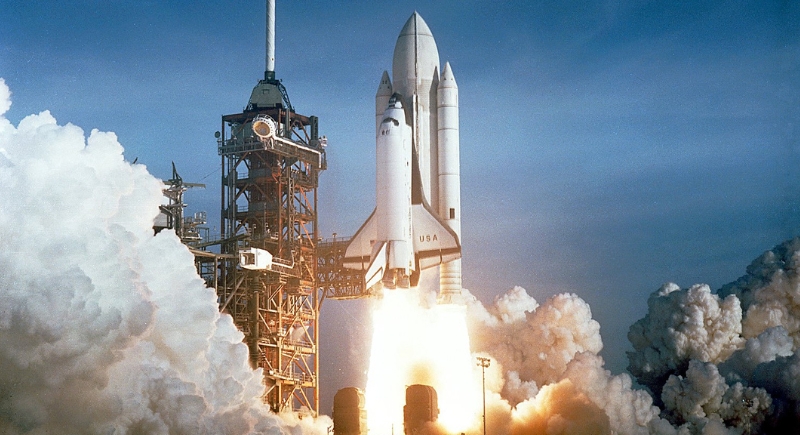
Image via Canva/NASA
Launches are planned from Kennedy Space Center, with private travelers joining a vehicle capable of reaching low Earth orbit. The flight cost remains the steepest part of the journey.
Developers say the hotel itself is not the primary expense; transport is. They point to improving launch systems, including those designed to carry heavier payloads at lower cost, as the factor that could eventually shift pricing.
At present, only a small number of people can afford orbital travel. One well-known example is Oliver Daemen, who paid $28 million for a brief Blue Origin flight. Voyager Station’s creators have stated that their long-term vision is to bring the price closer to that of a high-end cruise. Their ambition depends entirely on launch economics, which remain outside the company’s direct control.
Space Tourism’s New Competitive Field
Voyager Station is not the only project orbiting this idea. Axiom Space is developing commercial modules that will attach to the International Space Station before being separated into a standalone platform. Blue Origin and Sierra Space are collaborating on Orbital Reef, a multi-use station designed for research and commercial operations. Voyager, however, stands out for centering its concept on hospitality first.
To prepare, Above: Space plans to test smaller prototypes such as the Gravity Ring and Pioneer Stations. These projects aim to validate the rotating-gravity design and station systems before proceeding with a full-scale build. According to the company, some of these prototypes are slated for operational testing earlier in the decade.
A Project Built On Big Engineering And Bigger Expectations
Ambitious orbital construction presents challenges, including funding, launch logistics, international regulatory hurdles, and the practical realities of assembling a rotating structure in space. Still, the company behind Voyager Station maintains confidence in the engineering. They describe the hurdles as solvable given enough investment and time.
While many steps remain between now and any ribbon-cutting in orbit, the vision itself marks a shift. If the schedule holds and partners align, travelers could one day watch the sunrise after sunrise from their room with each orbit offering a new view of Earth far below.