The Wholesome Reason Why Sweden and Norway Split Up Without a Fight
In 1905, two neighboring kingdoms undertook an unusual action in European history. Sweden and Norway ended a 91-year political union without firing a shot, destroying cities, or sending armies across a border. At a time when nationalist movements often led to violence, Scandinavia relied on ballots, negotiation, and restraint.
The reason it worked is simple and surprisingly human, and it allowed both countries to move forward without destabilizing the region.
A Union Formed By Circumstance
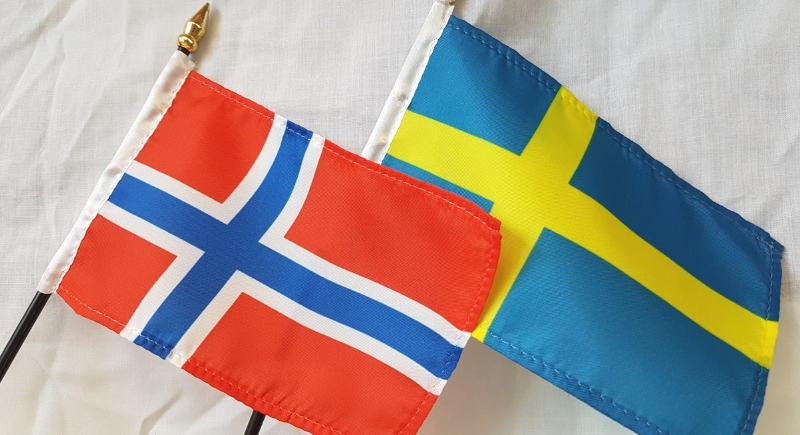
Image via Getty Images/Luis M
Norway entered a union with Sweden in 1814 after Denmark lost the territory during the Napoleonic Wars. The settlement granted Norway its own constitution and an independent parliament, while Sweden retained authority over foreign policy and diplomacy. This arrangement gave Norway broad internal autonomy but limited its ability to act as a fully sovereign state abroad.
Over the course of the 19th century, Norway’s economy experienced rapid expansion. Its merchant fleet grew into one of the largest in the world, and Norwegian trade extended far beyond Scandinavia. Political authority, however, did not keep pace with the development.
Decisions affecting foreign relations and international commerce continued to be made in Stockholm, widening the gap between Norway’s economic interests and its political influence.
Rising Friction And A Clear Political Break
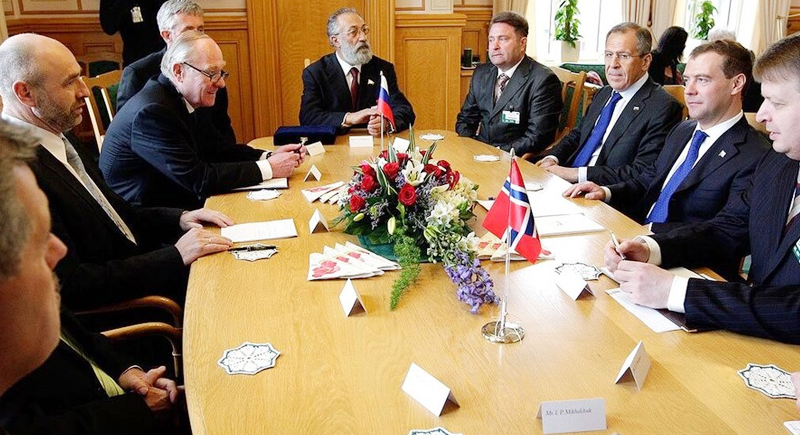
Image via Wikimedia Commons/пресс-службы Президента России
By the late 1800s, many Norwegian leaders began to see the union less as a source of stability and more as a constraint. Disagreements over diplomatic representation became especially contentious, particularly Norway’s demand for its own consular service to support its growing shipping industry.
On June 7, 1905, Norway’s parliament declared that the union with Sweden could no longer function. The move was deliberate and framed as a constitutional conclusion.
Despite its careful wording, the declaration carried significant weight. Sweden possessed a greater military capacity and continued to rely on legal arguments rooted in the original treaty that had established the union.
The Referendum That Settled The Question
To clarify the situation, Norway held a national referendum in August 1905. Voter participation was high, and support for independence was nearly unanimous.
The scale of the result made clear that separation was a decision broadly endorsed by the population. The referendum reshaped the political landscape.
Any attempt to preserve the union by force would have required overriding an unmistakable expression of democratic will, a course that would have brought serious political and diplomatic consequences.
Sweden Chooses Negotiation Over Force

Image via Canva/Camelia Ciocirlan’s Images
Swedish leaders evaluated the situation with caution. Enforcing the union would have risked armed conflict, prolonged tension, and unfavorable international attention.
Instead, Swedish officials chose negotiation by focusing on border arrangements, military disengagement, and the framework for future relations.
On October 27, 1905, Sweden formally recognized Norway’s independence. Military tensions along the border subsided, and the transition proceeded without violence. Diplomatic relations were soon normalized.
Establishing A Stable Norwegian State
After independence, Norway held a second referendum to determine its system of government. Voters opted to retain a constitutional monarchy and invited Haakon VII, a Danish prince, to become king.
More than a century later, Sweden and Norway remain close partners with strong economic, diplomatic, and cultural ties. Although the events of 1905 were accompanied by severe tension, the separation produced no lasting territorial disputes and allowed relations to recover and deepen over time.