The Ultimate Maine Escape in the Heart of Casco Bay
If you’re in Portland, getting to Peaks Island is simple. Ferries leave from the waterfront throughout the day and take about 17 minutes to reach the island. The Old Port area stays busy with its cobblestone streets, local galleries, and a steady mix of restaurants and breweries, all within walking distance of the ferry terminal.
Casco Bay Lines runs these trips regularly, so heading over doesn’t take much planning. One moment you’re in the middle of the city, and a short ride later, everything slows down. Peaks Island feels close, but the pace shifts as soon as you step off the boat.
Peaks Island Sets The Tone
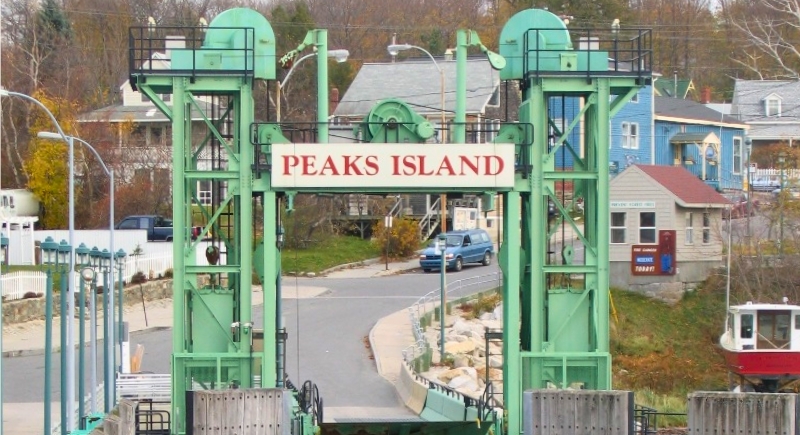
Image via Wikimedia Commons/Unknown
Peaks Island once carried the nickname “Coney Island of the North,” and the history still shows up at the Fifth Maine Museum. The building itself dates back to 1888, originally constructed as a memorial hall for Civil War veterans of the Fifth Maine Regiment.
Today, the island has a calmer routine. A four-mile loop circles the shoreline, and it can be covered by bike or golf cart. Two public beaches break up the route. The sand beach on the southwest side allows kayaking trips out to Catnip Island, while Cairn Beach on the backshore offers wide ocean views. Lunch usually points toward Island Lobster Company, one of the few places in the region offering a public lobster bake. The menu is simple, with fresh seafood served right along the water.
Food Feels Different Out Here
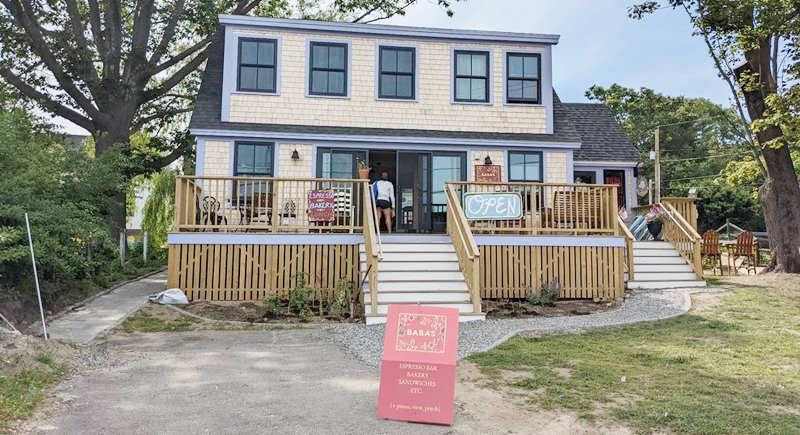
Image via Yelp/David V.
Back on Peaks Island, smaller spots define the experience. Baba’s Café draws early crowds with pastries and sandwiches made using local ingredients, and it doubles as a gathering place for both residents and day-trippers.
The difference becomes clear as meals take longer, conversations stretch, and the setting does more of the work. It contrasts sharply with Portland’s packed dining scene, even though the distance between the two is less than a half-hour.
Beyond One Island, The Bay Opens Up
Peaks Island is usually where people start, but Casco Bay has a lot more to explore once you keep going. Great Diamond Island sits just a short ride away, around 15 to 25 minutes by ferry. It feels more relaxed right away, with walking trails, open shoreline, and a meal at Diamond’s Edge Restaurant if you want to sit by the water and take it in.
Go a bit farther and you’ll reach Long Island. The ferry can take close to an hour, and you can feel the difference. It’s quieter, less crowded, and places like Byers & Sons Bakehouse make it worth stopping for fresh pizza or something warm right off the oven near the dock.
If you’re up for a longer trip, Chebeague Island takes you even deeper into that slower rhythm. The ride can stretch from an hour to an hour and a half, and once you’re there, it opens up into beaches, wooded paths, and peaceful roads lined with older homes. The Chebeague Island Inn is a good spot to sit down, eat something local, and look out over the bay.
A Different Kind Of Coastal Detour
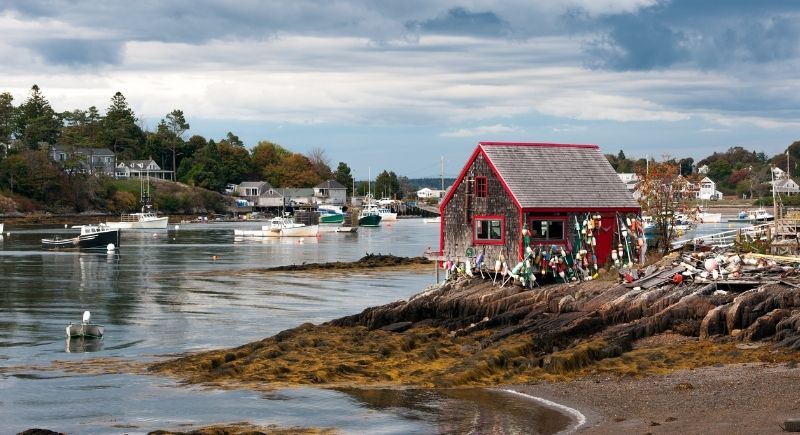
Image via Getty Images/EJJohnsonPhotography
Bailey Island changes the pattern entirely. Instead of boarding a ferry, the route follows a drive along the Harpswell Peninsula, ending at the Cribstone Bridge. This structure uses stacked granite slabs instead of traditional supports, and it connects Bailey Island to Orr’s Island.
Near the bridge, Cook’s Lobster & Ale House serves fresh lobster rolls with a clear view of the working harbor. Boats come and go, traps stack along the docks, and the whole setting feels grounded in everyday coastal life. The experience stays connected to Maine’s shoreline culture, just reached in a different way.
Locals often refer to Casco Bay as the Calendar Islands, based on the long-standing idea that there could be as many as 365 scattered across the water. That idea is most evident in places like Cliff Island, one of the smallest year-round communities, and House Island, home to Fort Scammel.
Fortland now offers overnight stays on House Island, with yurts and canvas tents set near the historic fort. The setting adds a new aspect to the experience, where time stretches even further, and the connection to the mainland feels distant.
Each stop across Casco Bay builds on the last one. The distance grows, the pace slows, and the experience changes step by step without ever feeling disconnected.