The Ultimate 2,400-Mile Route 66 Road Trip That Swaps Neon Signs for Artisan Cheese Stops
For years, Route 66 has sold people the classic American road trip: neon motel signs glowing after dark, giant roadside attractions, greasy diners, and random little stops you only notice from a slow drive through town.
That version of the highway still exists, but another side of Route 66 is starting to get attention now, and honestly, it fits the road surprisingly well. Instead of planning the trip around souvenir shops and photo ops, travelers are pulling over for small dairy farms, local cheese counters, and towns where the best-known stop is a creamery that has been there for generations.
The new Route 66 Cheese Trail stretches almost 2,400 miles across eight states, turning the drive into something that feels much more personal than a typical food tour. One town might hand you fresh cheese curds still warm from the morning batch, while the next introduces you to a family-run shop selling recipes passed down for decades.
You still get the long highway, the old storefronts, and the small-town Americana Route 66 is known for, but the trip starts feeling less like chasing roadside attractions and more like discovering places most people speed right past.
A Historic Highway Gets a Food-Focused Upgrade
The Route 66 Cheese Trail was developed through a collaboration between the New Mexico Cheese Guild and the California Cheese Trail. Organizers describe it as a curated guide connecting artisan cheesemakers, specialty shops, restaurants, and agricultural landmarks scattered along the Mother Road.
The route follows the same legendary highway that cuts through Illinois, Missouri, Kansas, Oklahoma, Texas, New Mexico, Arizona, and California. Travelers can still stop at famous roadside attractions along the way, but the cheese trail adds more to the drive by giving people a reason to slow down in places they might otherwise pass without a second glance.
The project’s organizers say the goal is to steer travelers back toward “real food” experiences tied to regional agriculture, rather than processed convenience stops that look identical across the country.
The Stops Already Generating Buzz
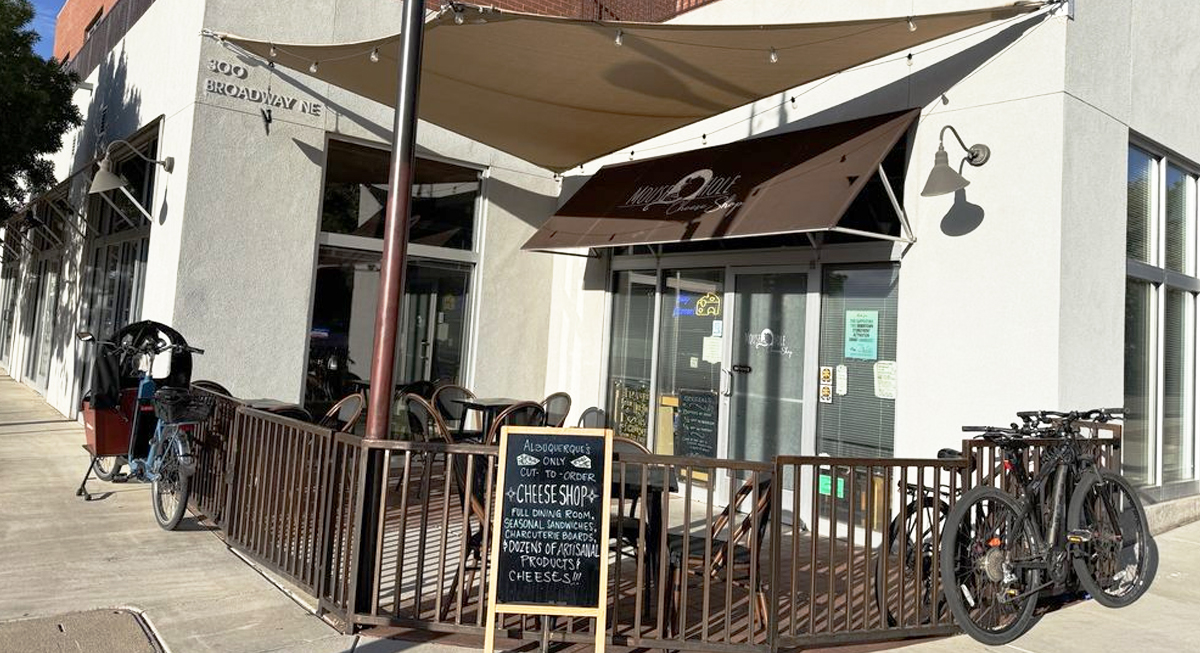
Image via Yelp/Lissa K.
Some stops along the trail are already becoming reasons to pull off the highway. In Bosque Farms, New Mexico, DeSmet Raw Milk Dairy gives travelers a closer look at grass-fed dairy production while tying the experience back to the farming communities that helped shape Route 66 long before it became a tourist attraction.
Albuquerque brings a completely different vibe through the Mouse Hole Cheese Shop, a spot that has started drawing serious attention beyond New Mexico. Cheesemonger Hanna Lee won the 2025 International Young Cheesemonger of the Year Award, which turned the shop into the kind of place cheese lovers now plan trips around.
Other planned stops blend food culture with Route 66 history in a way that feels natural instead of forced. The Route 66 Visitors Center has reportedly started folding agricultural history into the traveler experience, helping the cheese trail feel connected to the highway’s roots rather than just another themed promotion.
This Trail Actually Fits Route 66
Cheese tourism might sound oddly specific at first, but Route 66 has always worked best when travelers leave room for detours like a giant whale beside the road, a ghost town in the California desert, or a diner that still pours coffee like it’s 1972.
Artisan cheese stops encourage travelers to wander through farming towns, meet small business owners, and pay attention to regional differences that chain-heavy travel often erases. Midwest stops embrace classic dairy traditions tied to deep agricultural roots, while Southwestern producers experiment with flavors shaped by desert climates and local ingredients.